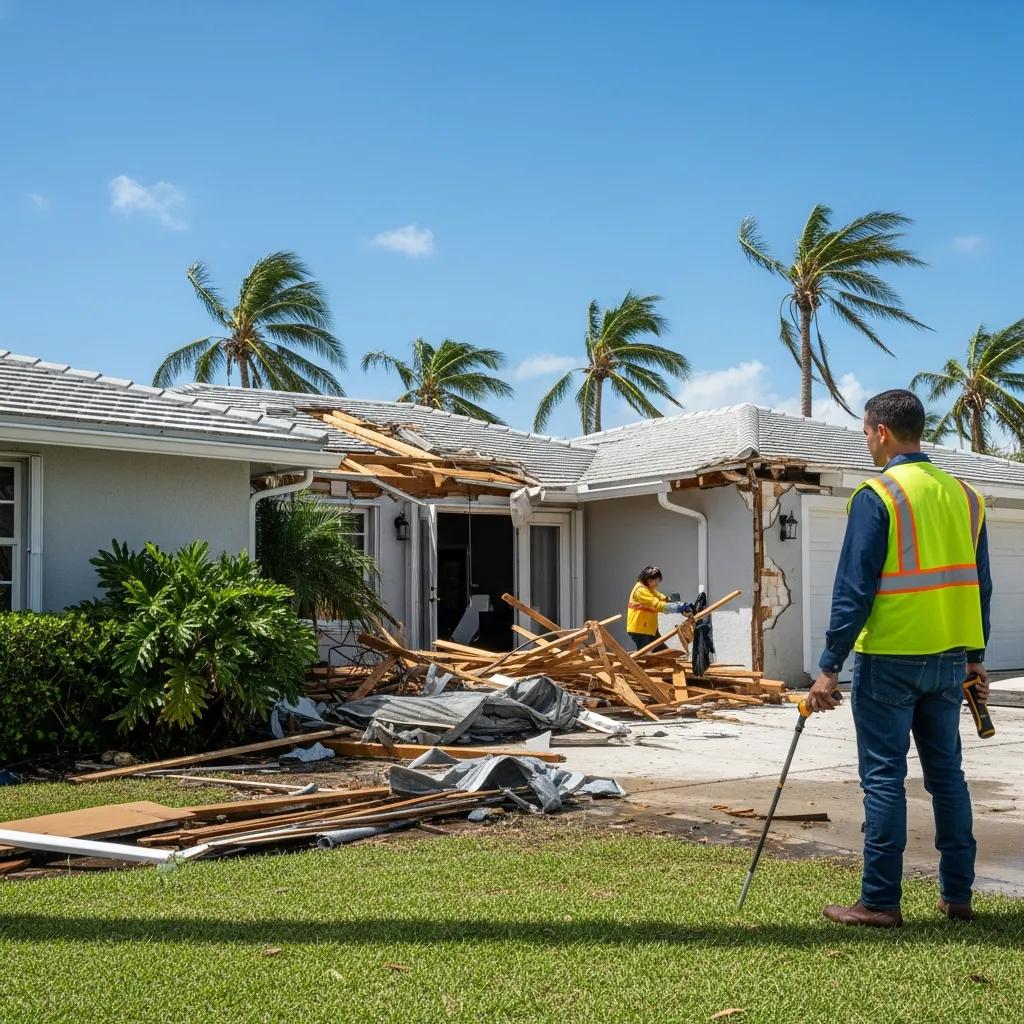
Comprehensive Storm Damage Assessment Services in Palm Beach: Expert Water Damage Restoration and Mold Remediation Guidance

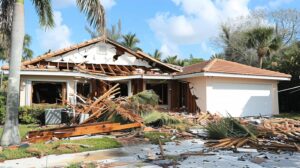
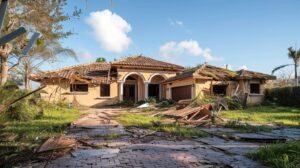
Storm events can produce substantial property damage that requires prompt, professional intervention. This article explains the components of a storm damage assessment, outlines water damage restoration procedures, and clarifies the role of mold remediation after flooding. The objective is to provide property owners in Palm Beach with clear, reliable information on managing storm-related impacts and the services available to assist them.
This guide describes what a professional storm damage assessment covers, how water damage restoration is executed, why mold remediation is critical, the emergency repair services commonly offered, how insurance claims are navigated, and practical preventative measures. Each section is designed to give property owners actionable knowledge for efficient recovery and risk reduction.
What Does a Professional Storm Damage Assessment Include in Palm Beach?
A professional storm damage assessment is a detailed inspection that establishes the scope of storm-related losses. Examinations focus on water intrusion, structural integrity, and potential mold hazards. The assessment informs the restoration plan and confirms when a property is safe for occupancy.
Key Steps in Inspecting Water Intrusion and Structural Damage
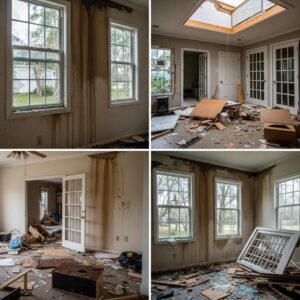
Inspectors follow a methodical process to evaluate water intrusion and structural harm. They use tools such as moisture meters and infrared imaging to locate concealed water. Visual inspections identify obvious damage. Accurate documentation of findings creates a record to guide restoration and support any insurance documentation.
Identifying Mold Risks Following Storm Events
Mold can begin to develop within 24–48 hours after water intrusion, so timely risk identification is essential. Exposure can cause respiratory symptoms and allergic reactions in susceptible occupants. Preventive actions—proper ventilation, moisture control, and prompt drying—help reduce the likelihood of mold colonization after a storm.
A formal report further underscores the increased risk of mold contamination following major water damage from hurricanes and floods.
Post-Storm Mold Prevention & Water Damage Health
Extensive water damage after major hurricanes and floods increases the likelihood of mold contamination in buildings. The report outlines methods to limit exposure to mold and to identify and prevent mold-related health effects. Where scientific uncertainty exists, the guidance presents practical applications intended to protect health. The evidence covers exposure assessment, clean-up and prevention, personal protective equipment, health effects, and public health strategies and recommendations. The recommendations assume that, in the aftermath of major hurricanes or floods, appropriate protective measures are required.
Mold prevention strategies and possible health effects in the aftermath of hurricanes and major floods, 2006
How Does Water Damage Restoration Work After Storm Damage?
Water damage restoration follows a structured workflow aimed at returning the property to its pre-loss condition. The process includes water removal, controlled drying, and necessary repairs. Each stage reduces the risk of secondary damage and supports a safe restoration outcome.
Effective Water Extraction and Dehumidification Techniques

Water extraction is performed first using pumps and industrial vacuums to remove standing water. Technicians then implement dehumidification techniques and air movement to extract moisture from materials and indoor air. Rapid mobilization during these phases limits structural damage and helps prevent mold growth.
Restoration Standards: Adhering to IICRC S-500 Guidelines
The IICRC S-500 standard provides a recognized framework for professional water damage restoration. Compliance with these guidelines supports consistent, safe procedures and helps ensure quality outcomes for property owners. Adherence to industry standards also assists in maintaining best-practice protocols throughout a project.
Why Is Mold Remediation Critical After Storm Damage in Palm Beach?
Mold remediation is an integral part of post-storm recovery. Left unaddressed, mold can pose health risks and cause progressive property deterioration. Prompt assessment and remediation mitigate those risks and help preserve building value.
Certified Mold Testing and Remediation Processes

Certified mold testing establishes the extent and types of mold present. Standard remediation protocols include containment, removal of affected materials, HEPA vacuuming, and thorough cleaning to prevent spore migration. Engaging qualified remediation professionals ensures work is performed safely and in accordance with accepted practices.
Health and Property Risks of Untreated Mold Growth
Mold exposure can produce symptoms ranging from mild allergic responses to more serious respiratory issues, especially for vulnerable individuals. Structurally, unchecked mold can damage materials and reduce property value. Swift remediation protects both occupant health and the building fabric.
What Emergency Storm Damage Repair Services Are Available in Palm Beach?
Emergency storm repair services address urgent damage to limit loss and restore basic safety. These services provide immediate stabilization and interim repairs to protect the property until full restoration can proceed.
Rapid Response for Minimizing Property Damage
Rapid response reduces the progression of damage and the scope of subsequent repairs. Timely intervention can prevent secondary problems and often lowers overall restoration costs. Owners frequently note that early action materially improves recovery outcomes.
24/7 Availability and Customer-Focused Solutions
Many emergency providers maintain 24/7 availability to respond when damage occurs. Continuous access to experienced technicians offers reassurance during stressful events. Customer-focused responses are typically tailored to the property’s condition and the owner’s immediate priorities.
How Can Property Owners Navigate Insurance Claims for Storm Damage?
Filing an insurance claim for storm damage can be complex. Understanding required documentation and common policy provisions streamlines the process. Professional guidance can reduce errors and help achieve a more timely resolution.
Documenting Damage for Insurance Support
Comprehensive documentation is essential for insurance support. Take photographs, preserve records of communications, and compile an itemized inventory of damaged property. Clear documentation provides the evidence adjusters need to evaluate the claim accurately.
Common Insurance Requirements and Claim Assistance
Insurance policies often specify deadlines for reporting damage and the types of documentation required. Knowing these requirements helps avoid delays. Many property owners benefit from professional assistance to prepare documentation and communicate with insurers.
What Preventative Measures Can Protect Properties from Future Storm Damage?
Preventative measures reduce vulnerability and long-term repair costs. Implementing routine property care and targeted storm-hardening steps improves resilience and decreases future exposure to water intrusion and mold.
Maintenance Tips to Reduce Water and Mold Risks
Regular maintenance is fundamental to risk reduction. Conduct scheduled inspections, maintain effective drainage, and address leaks promptly. These proactive measures limit the chance of water entry and subsequent mold development.
Preparing Residential and Commercial Properties for Storms
Preparation lowers the potential impact of storms. Assemble emergency supplies, secure loose features, and monitor weather advisories. Local community resources can also offer guidance on preparedness tailored to the region.
| Service | Description | Availability |
|---|---|---|
| Storm Damage Assessment | Comprehensive evaluation of storm-related damage | 24/7 |
| Water Damage Restoration | Systematic process to restore properties | 24/7 |
| Mold Remediation | Certified processes to address mold growth | 24/7 |
This table summarizes the core services available to Palm Beach property owners and underscores the value of timely, professional response when storm damage occurs.
Understanding storm damage assessment, restoration workflows, and mold remediation is essential for protecting property and occupant health. Armed with this knowledge, property owners can make informed decisions, pursue appropriate professional services, and reduce long-term risk following storm events.
Frequently Asked Questions
What should I do immediately after a storm to assess damage?
First, confirm that it is safe to inspect the property. Do not enter areas with structural damage until a professional has cleared them. Perform a cautious visual survey for visible issues such as roof breaches or broken windows. Photograph and record all damage to support insurance claims. If substantial damage is suspected, contact a qualified storm damage assessor for a formal evaluation.
How can I prevent mold growth after water damage?
Act quickly to dry affected areas. Use dehumidifiers and air movers and ensure proper ventilation to lower humidity. Remove saturated materials that cannot be dried thoroughly. Monitor moisture levels and address the source of intrusion. Regular inspections and prompt repairs help prevent recurring problems.
What are the signs of hidden water damage in my home?
Hidden water damage may present as unexplained wall or ceiling stains, a persistent musty odor, bubbling or peeling paint, or warped flooring. Elevated indoor humidity in specific zones can also indicate concealed moisture. When these signs appear, schedule a professional assessment to locate and remediate the source.
How long does the water damage restoration process typically take?
Restoration timelines depend on the scope of loss and affected area size. Minor incidents can be resolved in days; extensive damage may require several weeks. Drying requirements, necessary repairs, and the complexity of work influence the schedule. A restoration professional can provide an estimated timeline after an initial assessment.
Are there any health risks associated with mold exposure?
Yes. Mold exposure can trigger respiratory symptoms, nasal congestion, skin and eye irritation, and worsening of asthma or allergies in susceptible individuals. Prolonged exposure may lead to more serious effects for some occupants. Prompt testing and professional remediation reduce health risks and restore a safer environment.
What should I include in my emergency storm preparedness kit?
Your emergency kit should contain non-perishable food, water, a reliable flashlight with extra batteries, a first-aid kit, and essential medications. Include copies of important documents, cash, and a battery-powered radio for updates. Add basic tools for temporary repairs, blankets, and a whistle. Review and refresh the kit periodically to ensure readiness.
How can I choose a reliable storm damage restoration service?
Research local firms and review customer feedback. Verify certifications such as IICRC and inquire about relevant storm-restoration experience. Request references and ensure the company provides 24/7 emergency response if needed. A professional provider will offer transparent estimates and clear communication throughout the restoration process.
Conclusion
Knowledge of storm damage assessment and the associated restoration and remediation procedures enables property owners to protect assets and occupant health. Proactive measures, detailed documentation, and engagement with qualified restoration professionals improve recovery outcomes. Seek experienced, certified assistance to ensure safe, standards-based restoration following storm incidents.