Fire Damage Restoration in Wellington, FL
We arrive in 30 to 45 minutes, 24 hours a day, across Palm Beach County.
SuperClean Restoration of the Palm Beaches LLC provides fire damage restoration for residential and commercial properties in Wellington, FL and throughout Palm Beach County. Fire damage is one of the most complex restoration events a property can experience because a single fire produces three separate damage categories simultaneously: thermal and structural damage from the fire itself, soot and smoke damage that spreads far beyond the burn area, and water damage from suppression efforts that saturates floors, walls, and contents. Each category requires a different restoration process, different equipment, and different documentation for the insurance claim. Our certified team handles all three under one scope.
- Certified Soot Removal and Smoke Odor Elimination
- 24/7 Emergency Response to Fire Damage Events
- Insurance Documentation Included on Every Job
Looking For Fire Damage Restoration Near Me in Wellington, FL?
Fire and Smoke Damage Restoration for Wellington and Palm Beach County
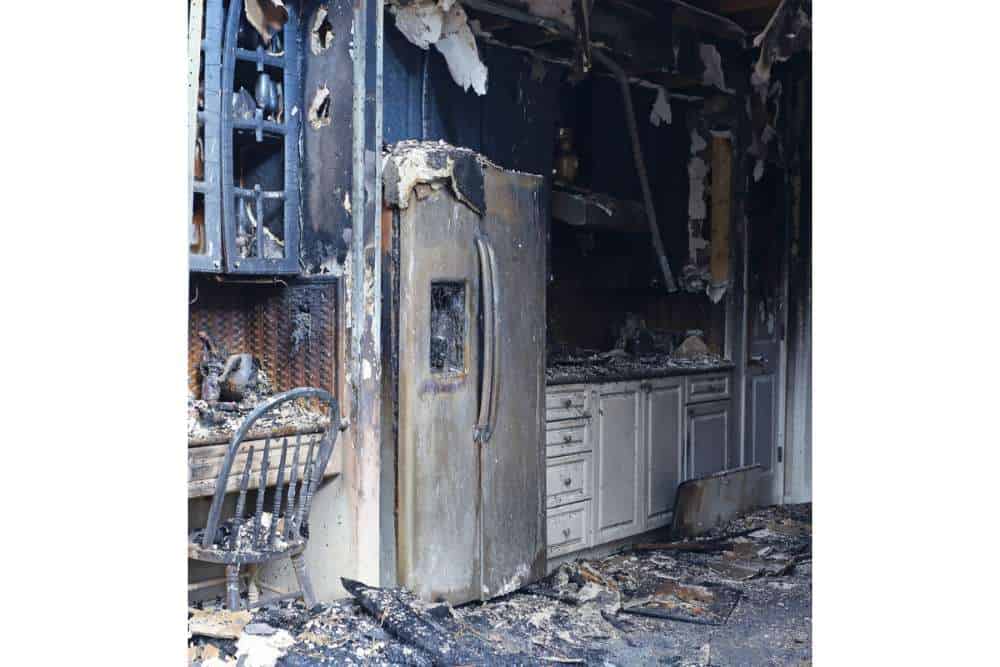
We are a locally owned, independent fire damage contractor with over 30 years of restoration experience in Palm Beach County. Our crews respond 24 hours a day to fire damage calls because the conditions inside a fire-damaged property — acidic soot, elevated humidity from suppression water, and residual smoke compounds — are time-sensitive. Every hour that passes after a fire without professional intervention increases the permanent damage to surfaces, finishes, and structural materials.
Fire Damage Restoration Services in Palm Beach County
Fire damage recovery requires coordinated work across three damage categories. We handle every stage from assessment through certified restoration.
Fire and Smoke Damage Assessment
Every fire damage restoration job begins with a full assessment before any cleaning or restoration work starts. We identify all areas of thermal damage, map smoke and soot distribution (which typically extends well beyond the visible fire area), assess structural integrity of affected materials, and document pre-treatment conditions with timestamped photos for the insurance file. We also assess fire suppression water saturation using thermal imaging and moisture meters, establishing the scope of the secondary water damage event that every fire produces.
Soot Removal Service
Soot removal requires specific dry cleaning methods before any wet cleaning begins. Applying water or cleaning solutions to soot without dry removal first drives the soot deeper into porous surfaces and walls, making permanent staining more likely. We use HEPA dry sponges, chemical dry sponges, and vacuum extraction to remove loose soot from all surfaces before any wet cleaning or restoration product application. This sequence is critical. Most DIY soot cleaning attempts skip the dry phase, which is why professional soot removal produces different outcomes than household cleaning products applied to fire-damaged surfaces.
Smoke Odor Elimination
Smoke odor after a fire is not a surface smell. Smoke particles penetrate into wall cavities, HVAC ductwork, insulation, and soft furnishings, which is why masking products and air fresheners do not work. Professional smoke odor elimination uses thermal fogging, hydroxyl generators, or ozone treatment depending on the extent and material types involved. Each technology addresses smoke odor at the molecular level rather than covering it. We assess which approach is appropriate for your specific fire event, property size, and occupancy timeline, since some odor elimination methods require the property to be unoccupied for specific periods.
Flash flooding and severe storms hit Palm Beach County with little warning. We respond immediately to storm-related water intrusion, roof leaks, and flood damage throughout Wellington and surrounding areas. Our crew removes standing water, dries affected materials, and provides a complete damage report for your insurance adjuster.
Structural Cleaning and Full Restoration
After soot removal, smoke treatment, and suppression water extraction, structural cleaning addresses the remaining fire contamination on framing, subfloors, and interior surfaces. This includes chemical cleaning of heat-affected surfaces that retain smoke compounds after soot removal, HEPA vacuuming of all residual particulate from wall cavities and ductwork, and sealing of surfaces that have absorbed smoke odor to prevent bleed-back after painting. We then coordinate or perform the structural restoration work — drywall replacement, framing repair, flooring reinstallation, painting, and finish work — to return the property to its pre-fire condition.
Expert Property Damage Restoration for a Safe Home
Why Fire Damage Cannot Wait for a Scheduled Appointment
Soot is acidic. Within hours of a fire, soot deposits on walls, ceilings, appliances, and fabrics begin chemically reacting with surfaces. On metal surfaces, pitting and corrosion begin within hours. On painted surfaces, soot becomes bonded to the wall rather than a removable surface layer. On fabrics and upholstery, smoke odor becomes permanently embedded if not treated within the first 24 to 72 hours. The materials that are restorable in the first 48 hours after a fire are not the same materials that are restorable after a week. Delayed response does not just add cost. It converts restorable items into replacement items.
In Palm Beach County’s subtropical humidity, the water used to suppress a fire introduces a secondary emergency. Fire suppression water saturates structural materials, and in South Florida’s 70 to 80 percent ambient humidity, mold development begins in those wet structural materials within 24 to 48 hours. A fire damage event without immediate water extraction from suppression efforts is a combined fire and mold restoration event within 72 hours. SuperClean Restoration Of The Palm Beaches LLC responds to fire damage calls 24 hours a day because delaying for business hours in this climate costs significantly more to restore.
Why Fire Damage Restoration in Palm Beach County Requires Florida-Specific Methods
Palm Beach County’s subtropical climate adds two complications to fire damage restoration that contractors from dryer climates do not encounter at the same frequency. First, fire suppression water in a structure with ambient humidity of 70 to 80 percent reaches active mold development conditions within 24 to 48 hours, which is faster than the majority of US climates. A fire that occurs during the wet season, when outdoor humidity combines with suppression water inside the structure, can produce visible mold growth in wall cavities within 3 days of the fire event. Second, soot in humid conditions is more reactive. Acidic soot compounds absorb ambient moisture and etch surfaces more aggressively in humid environments than in dry climates. The combination of these two factors means that a fire damage event in Wellington or surrounding Palm Beach County communities has a narrower restoration window than the same event in a temperate or dry climate. SuperClean Restoration uses commercial LGR dehumidifiers and air movers rated for Florida’s ambient conditions alongside fire-specific soot removal and odor treatment equipment on every combined fire and water damage job, and we respond 24 hours a day because the first 24 to 48 hours after a fire in Palm Beach County are the most critical window for the restoration outcome.
What Happens to Your Property Hour by Hour After a Fire
Fire damage does not stop when the fire is extinguished. Soot, smoke, and suppression water continue damaging materials for days after the event if not professionally addressed. This timeline reflects conditions specific to South Florida properties.
| Time After Fire | Soot and Smoke Damage | Suppression Water Damage (FL Climate) | Urgency | Required Action |
|---|---|---|---|---|
| 0 to 1 hour | Soot settles on all surfaces throughout the structure. Smoke odor penetrating soft materials. | Standing water from suppression. Saturation beginning in flooring and wall base. | Active | Call SuperClean Restoration. Do not attempt cleaning. Ventilation with outdoor air increases soot spread. |
| 1 to 24 hours | Acidic soot begins etching metal, glass, and painted surfaces. Smoke odor penetrates into wall cavities and HVAC. | Subfloor and wall cavity saturation. In FL humidity, mold development conditions active within this window. | High | Emergency response required. Soot removal and water extraction must begin to preserve restorable surfaces. |
| 24 to 48 hours | Metal pitting and corrosion on appliances and fixtures. Soot bonding to porous surfaces becoming permanent. | Visible mold beginning to form in wall cavities. Drywall paper saturated. Subfloor warping. | Critical | Full fire and water restoration team required. Mold remediation scope now likely alongside fire restoration. |
| 48 to 72 hours | Soot staining permanent on most surfaces. Odor compounds deeply embedded in porous materials. | Active mold colonies in wall framing and subfloor. Structural drying window closing. | Critical | Combined fire, mold, and water restoration scope. Some restorable materials now require replacement. |
| 72+ hours | Most smoke-exposed surfaces beyond cleaning restoration. Smoke odor in HVAC system distributing throughout property. | Extensive mold throughout structure. Significant material replacement required. | Severe | Full restoration and rebuild scope. Insurance documentation critical to support full replacement costs. |
How Our Fire Damage Restoration Process Works in Palm Beach County
Fire damage restoration requires a specific sequence that most homeowners do not expect. Soot removal must precede wet cleaning. Suppression water must be extracted before odor treatment begins. Structural drying must be certified before rebuild work starts. Here is the complete process we follow from first call through certified restoration.
Step 1: Emergency Safety Assessment and Documentation
Before our restoration crew enters the structure, we confirm the property has been cleared for re-entry by the fire department and that utilities have been shut off or secured. We then conduct a full assessment: structural integrity evaluation, soot and smoke distribution mapping, suppression water saturation measurement using thermal imaging and moisture meters, and complete photographic documentation of all affected areas. This documentation record is the foundation of your insurance claim and the restoration work order.
Timeline: Same-day response after fire department clearance is issued.
Step 2: Suppression Water Extraction and Emergency Drying
Fire suppression water extraction begins before any soot or smoke cleaning work starts, because wet surfaces cannot be dry-cleaned for soot effectively. We extract standing water from all affected areas using truck-mounted extraction units and submersible pumps, then place commercial LGR dehumidifiers and industrial air movers to begin structural drying. In Palm Beach County’s subtropical humidity, this phase must begin within hours of assessment to prevent mold development in saturated structural materials.
Timeline: Extraction same-day. Structural drying 3 to 5 days concurrent with other restoration phases.
Step 3: Soot Removal and Dry Surface Cleaning
Dry soot removal precedes all wet cleaning. We use HEPA dry sponges, chemical dry sponges, and HEPA vacuum extraction to remove loose soot from all surfaces throughout the affected area, including rooms that appear unaffected by the fire. Smoke and soot travel throughout the structure during a fire event, and treating only the visibly burned area leaves odor-producing soot in place. After dry removal, wet cleaning and chemical cleaning agents are applied to all soot-bearing surfaces.
Timeline: 1 to 3 days depending on fire scope and affected area.
Step 4: Smoke Odor Treatment
Smoke odor elimination uses thermal fogging, hydroxyl generation, or ozone treatment after soot has been physically removed. The appropriate technology depends on the fire scope, material types, and how long the property has been untreated. Thermal fogging penetrates the same pathways smoke traveled through, treating odor compounds at the source. Hydroxyl treatment is safe to use with occupants present during daytime hours. Ozone treatment is the most aggressive approach and requires the property to be unoccupied during treatment and for several hours after. We recommend the appropriate method after initial assessment.
Timeline: 1 to 3 days depending on method and affected scope.
Step 5: Structural Cleaning and Surface Sealing
After soot removal and odor treatment, remaining surfaces are chemically cleaned to remove residual smoke compounds. Heat-affected surfaces and framing that tested positive for smoke penetration are treated with encapsulating sealers that lock in any remaining odor compounds before painting or reconstruction begins. HVAC ductwork connected to the affected areas is cleaned or replaced if smoke contamination entered the system during the fire event. Skipping the sealing step before repainting is the most common cause of smoke odor returning 30 to 60 days after what appeared to be a complete restoration.
Timeline: 1 to 2 days
Step 6: Structural Restoration and Insurance Closeout
Physical reconstruction addresses materials damaged beyond cleaning: drywall, insulation, flooring, ceiling materials, cabinets, and framing. We manage the full restoration scope under one contract. The job closes with a final walkthrough, certified dryness documentation for suppression water damage, and a complete project record for your insurance file. We work directly with your insurance adjuster throughout the process and have coordinated fire damage claims with all major carriers serving Palm Beach County homeowners.
Timeline: Varies by fire scope. Minor kitchen fires: 1 to 3 weeks. Structure fires with multi-room damage: 4 to 16 weeks.
What Customers Say About Fire Damage Restoration
Expert Property Damage Restoration for a Safe Home
Every Fire Leaves Water Damage Behind
There is no such thing as fire damage without water damage when fire suppression systems or firefighting hoses are involved. Suppression water from interior sprinkler systems discharges a significant volume of water into the structure in a short time. Fire hose water from a department response saturates floors, walls, and ceilings at even higher volumes. After the fire is out and the crews leave, that water remains inside the structure under South Florida’s subtropical humidity conditions.
At SuperClean Restoration Of The Palm Beaches LLC, every fire damage assessment includes a full suppression water evaluation. We identify all areas of saturation using thermal imaging and moisture meters, extract standing and absorbed water, and run commercial drying equipment until the structure reaches IICRC S500 certified dryness. The fire damage and water damage phases are coordinated under one restoration scope, which means your insurance documentation covers both damage categories in a single organized package.
Call a Water Damage Company in Wellington That Answers at 2 AM
If water is in your home or business right now, do not wait. Every hour increases damage and total restoration cost. SuperClean Restoration responds to active water events across Wellington, Lake Worth, West Palm Beach, Boynton Beach, and all of Palm Beach County. Our crew arrives with extraction equipment, drying technology, and insurance documentation ready.
Frequently Asked Questions About Fire Damage Restoration in Wellington, FL
Do not enter the property until the fire department gives formal clearance. Fire departments issue a re-entry clearance after structural safety and utility disconnection are confirmed. Do not attempt to clean soot with household cleaning products — applying moisture to dry soot before dry removal drives it deeper into surfaces and increases permanent staining. Do not run HVAC systems, as this distributes smoke and soot particles throughout unaffected areas. Call SuperClean Restoration at (844) 888-0837 immediately after clearance is issued. We respond 24 hours a day. Contact your insurance carrier to open a claim and request an adjuster visit, but do not wait for the adjuster before calling us.
Complete fire damage restoration covers three separate damage categories: fire and thermal damage, smoke and soot damage, and water damage from suppression efforts. Our scope includes fire and smoke damage assessment, soot removal using dry cleaning methods before any wet cleaning, smoke odor elimination using thermal fogging or hydroxyl technology, suppression water extraction and certified structural drying, structural cleaning and surface sealing, and full physical restoration including drywall, flooring, and finish work. Every job includes insurance documentation from assessment through certified closeout.
Yes. Fire damage is one of the most consistently covered perils in standard homeowner’s insurance policies. Most policies cover the full scope of restoration including soot removal, smoke odor treatment, suppression water damage, structural cleaning, and rebuild costs, subject to your deductible. Florida homeowners sometimes carry a higher hurricane deductible that does not apply to fire events — fire claims typically use the standard policy deductible. We provide a complete documentation package for your adjuster that covers all three damage categories under one organized claim file.
Fire damage restoration in Florida for a residential event ranges widely depending on fire scope. A contained kitchen fire with soot and odor limited to one or two rooms typically costs $3,000 to $8,000. A structure fire involving multiple rooms with suppression water damage and required structural rebuild can run $25,000 to $75,000 or more. Most costs are covered by homeowner’s insurance. We provide a documented scope and estimate before any work begins, structured to match the format your insurance adjuster uses for claim review. The estimate includes all three damage categories: fire, smoke, and suppression water.
A contained kitchen fire or single-room fire with limited soot spread and minor suppression water typically restores in 1 to 3 weeks. A structure fire involving multiple rooms, significant suppression water damage, and substantial structural rebuild can take 6 to 16 weeks depending on scope and material availability. The structural drying phase for suppression water runs 3 to 5 days before rebuild work begins. Smoke odor treatment requires 1 to 3 days. We provide a project timeline estimate after the initial assessment. Delaying the start of restoration extends the timeline because soot bonding and mold development narrow the restoration window the longer the property sits untreated.
Household cleaning products applied to soot-covered surfaces typically make the damage worse. The correct first step in soot removal is dry cleaning with HEPA sponges and vacuum extraction before any wet product is applied. Most homeowners apply water or cleaning solutions first, which drives soot into porous surfaces and creates permanent staining that professional dry cleaning can no longer reverse. Smoke odor elimination also requires professional equipment. Consumer odor products and air fresheners mask surface odor but do not address smoke compounds that have penetrated wall cavities, HVAC systems, and insulation. Professional thermal fogging, hydroxyl, or ozone treatment addresses odor at the source. Attempting DIY fire cleanup also creates documentation gaps that complicate your insurance claim.
Fire Damage Restoration Service Area: All of Palm Beach County, FL
Wellington | West Palm Beach
Lake Worth | Lake Worth Beach
Boynton Beach | Greenacres
Lantana | Palm Beach
Boca Raton | Delray Beach
Royal Palm Beach | Loxahatchee
Palm Springs | Atlantis