
What Florida Condo Insurance Typically Excludes for Water Damage
Florida condo insurance policies routinely exclude water damage caused by gradual leaks, seepage, wear and tear, flooding, and any moisture event that went unaddressed for 14 days or more. Under Florida Statute §718.111, the condominium association’s master policy does not cover flooring, fixtures, appliances, built-in cabinets, or personal property inside your unit. That coverage gap falls entirely on you, the unit owner, and your HO-6 policy.
For Palm Beach condo owners, understanding exactly where the master policy ends and your personal policy begins is not an academic exercise. It is the difference between a fully covered restoration and a five-figure out-of-pocket bill, especially when insurers are actively looking for reasons to deny claims in one of the most contested property insurance markets in the United States.
The Two-Policy Problem Palm Beach Condo Owners Face
Florida condominiums operate under a two-layer insurance structure that confuses owners and adjusters alike. The association carries a master policy covering the building’s common elements: the roof, exterior walls, elevators, hallways, and shared plumbing infrastructure. You, as a unit owner, carry an HO-6 policy covering everything from the walls inward, including your flooring, cabinetry, appliances, personal property, and liability.
The problem is that a water damage claim can get denied at both layers simultaneously. The association’s carrier may decide the leak originated inside your unit, making it your responsibility. Your HO-6 carrier may then decide the leak qualifies as gradual damage or pre-existing wear, triggering one of its standard exclusions. You are left holding the bill while two insurers point at each other.
This dual-denial scenario is not hypothetical. It is the most common reason Palm Beach condo owners end up paying out of pocket for restoration work, and it is almost never explained on the insurance brochures handed out at closing.
What Florida Condo Insurance Specifically Does Not Cover
Gradual Damage and the 14-Day Rule
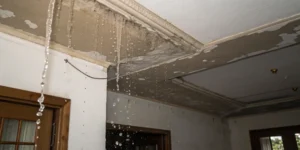
Florida insurers increasingly include policy language that denies coverage for any water damage where the leak can be demonstrated to have existed for 14 days or more without being addressed. In practice, this means an adjuster will look at staining patterns, mold growth, and material degradation to estimate how long water was present. If the evidence suggests the leak predates your report by two weeks, the claim can be denied entirely, regardless of the dollar amount.
In Palm Beach County’s climate, where humidity sits above 70 percent for most of the year and mold can establish a colony within 24 to 48 hours of a water intrusion, a “gradual damage” denial is one of the most aggressive tools an insurer has. Acting immediately after discovering any moisture is not just good practice. It is how you protect your right to file a valid claim.
Flooding and Storm Surge
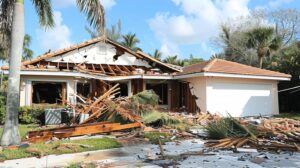
Neither the master policy nor a standard HO-6 policy covers flood damage. Flood coverage requires a separate National Flood Insurance Program policy or a private flood endorsement. This distinction matters enormously in Palm Beach County, where 35 percent of the county’s area falls inside FEMA’s high-risk flood zones and, critically, where 39 percent of flood insurance claims are filed on properties rated outside those high-risk zones. Being outside a designated flood zone does not mean you are outside the risk.
Palm Beach County holds a Class 5 rating in FEMA’s Community Rating System, which provides a 25 percent discount on NFIP premiums for policies inside the high-risk zone. That discount only helps if you have a flood policy to begin with.
Items the Master Policy Explicitly Excludes by Statute
Under Florida law, the association’s master policy is required to exclude a specific list of items inside your unit. These include all floor, wall, and ceiling coverings; electrical fixtures; appliances; water heaters; water filters; built-in cabinets and countertops; and window treatments. Every item on that list that suffers water damage becomes your personal financial responsibility unless your HO-6 policy picks it up and your insurer does not invoke an exclusion.
Wear, Tear, and Aging Infrastructure
Approximately two-thirds of Miami-Dade, Broward, and Palm Beach condos three stories or taller were built before 1990. Florida’s SB 4-D milestone-inspection law, passed in the wake of the 2021 Champlain Towers collapse in Surfside, is now forcing thousands of buildings to disclose decades of concealed damage, including concrete spalling, aging plumbing, and balcony intrusion. One in five condo buildings in Palm Beach County missed the Phase One inspection deadline of December 31, 2024.
For unit owners in pre-1990 buildings, aging plumbing infrastructure is a direct insurance risk. When galvanized steel or early-generation PVC pipes fail, insurers frequently classify the resulting damage as a maintenance failure rather than a sudden and accidental event, which is the threshold required for coverage. If the pipe showed signs of corrosion, the claim may be denied as wear and tear.
Who Is Responsible for Water Damage in a Florida Condo?
Responsibility follows the source of the leak and where the damaged property is located. Here is how Florida law and standard policy language typically assign liability:
- Leak from a common area pipe or roof: The association’s master policy is generally responsible for the source repair. Damage to your unit’s interior may still fall under your HO-6 coverage depending on your policy’s terms.
- Leak from the unit above you: The upstairs owner’s HO-6 liability coverage is the first line of recovery. If that owner is uninsured or underinsured, recovery becomes a legal dispute.
- Burst pipe inside your unit walls: If the pipe serves only your unit, it is typically your responsibility. If it is a common element pipe that happens to be inside your wall, the association may share responsibility.
- Your own appliance or fixture failure: Falls under your HO-6 policy, subject to all applicable exclusions including the gradual damage rule.
Florida Statute §718.111 governs the boundary between association and unit-owner responsibility, but disputes routinely end up in mediation or litigation because the statute leaves room for interpretation at the edges.
What Type of Water Damage Is Covered by Florida Condo Insurance?
Coverage exists for sudden and accidental water damage events that are neither caused by flooding nor attributable to deferred maintenance. A pipe that bursts without warning, an appliance that unexpectedly fails, or water intrusion from a neighbor’s unit that occurs without prior evidence of leaking are the categories most likely to result in a paid claim. Even then, the insurer will investigate the timeline, the property’s maintenance history, and the physical evidence before issuing payment.
According to data compiled by This Old House citing the Insurance Information Institute, water damage and freezing account for 22.6 percent of all home insurance claims nationally, with an average claim amount of $15,400. One in every 67 insured homeowners files a water damage claim each year, making it the second most common cause of property damage claims. In Florida, where humidity accelerates secondary damage, that average can climb quickly.
Palm Beach County Water Damage Restoration Costs: What You Will Pay Without Coverage
When insurance denies a claim or pays only a partial amount, the full restoration cost falls to the unit owner. Palm Beach County’s humidity, aging building stock, and labor market push local costs above national averages. The table below reflects realistic cost ranges for restoration work in the Palm Beach area in 2026.
| Damage Scope | Category | Estimated Cost Range (Palm Beach) |
|---|---|---|
| Small leak, one room | Cat 1 (clean water) | $1,500 to $3,500 |
| Moderate damage, two to three rooms | Cat 1 to Cat 2 | $3,500 to $8,000 |
| Significant structural drying | Cat 2 (grey water) | $8,000 to $15,000 |
| Sewage backup | Cat 3 (black water) | $7,000 to $20,000+ |
| Hurricane or storm flooding | Cat 3 | $15,000 to $50,000+ |
| Mold remediation (post-water damage) | Secondary damage | $2,500 to $10,000 |
These figures reflect South Florida market conditions. A job that costs $4,000 in a drier climate can escalate to $12,000 or more in Palm Beach when mold remediation is added. As of March 2026, the average condominium unit-owner premium including wind coverage in Palm Beach County was $2,311, according to the Florida Office of Insurance Regulation’s Property Insurance Stability Report, nearly double the national median. High premiums with significant exclusions create a serious financial exposure for owners who do not understand the gaps in their coverage.
What to Do Right Now If You Have Water Damage in a Palm Beach Condo
The actions you take in the first 48 hours after discovering water damage directly affect both your restoration outcome and your insurance claim. Here is what matters most.
Step One: Stop the Source and Document Everything
Shut off the water supply to your unit immediately. Then photograph and video every affected surface before anything is moved or dried. Documentation created before remediation begins is the most powerful evidence you have if an insurer tries to apply a gradual damage exclusion or dispute the scope of loss.
Step Two: Notify Both the Association and Your Insurer
File written notice with your condo association the same day. Contact your HO-6 insurer immediately after. Many policies require prompt notification as a condition of coverage. Missing this step, even by a day or two, can become a basis for a coverage denial.
Step Three: Call a Restoration Company Before Mold Sets In
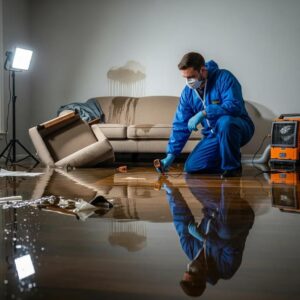
In Palm Beach County’s climate, mold colonization can begin within 24 to 48 hours. Once mold is established, you are no longer dealing with a water damage job. You are dealing with a water damage job plus a separate mold remediation scope, which can double or triple the cost. Professional extraction and structural drying, started immediately, is the single most effective way to prevent that escalation and to demonstrate to your insurer that the damage was not allowed to sit and worsen.
Water damage restoration handled by a certified local team provides the documentation, the moisture readings, and the drying logs that adjusters and public adjusters rely on when building or disputing a claim.
Step Four: Request the Association’s Policy Declarations Page
You have a right to see the master policy. Understanding exactly what it covers, its deductible, and whether the association can pass its deductible on to you (which Florida law now permits in some circumstances) is essential before you accept any settlement offer.
The Mold Clock Is the Reason Speed Matters More Than Coverage Questions
Coverage disputes can take weeks or months to resolve. Mold does not wait. A unit left unaddressed while a coverage argument proceeds can accumulate secondary damage that exceeds the original loss many times over. More importantly, if a later inspection reveals mold growth that began within days of the original event, an insurer can argue that the mold itself resulted from your failure to mitigate, potentially voiding coverage for that portion of the damage.
Professional extraction and drying, documented with moisture readings and timestamped drying logs, creates an evidentiary record that protects the claim while simultaneously stopping the damage from growing. That is the function a qualified restoration company serves in a contested claim environment, not just cleanup, but claim protection.
Frequently Asked Questions
Can Florida condo insurance exclude water damage entirely?
Yes, under specific circumstances. Florida condo insurance policies regularly exclude water damage attributed to gradual leaks, flooding, wear and tear, and seepage present for 14 or more days. The HO-6 policy covers sudden and accidental events. The master policy covers common elements, but explicitly excludes interior fixtures, flooring, and appliances under Florida Statute §718.111, leaving unit owners with a significant gap.
Who is responsible for water damage from a burst pipe in a Florida condo?
Responsibility depends on whether the pipe is a common element or a unit-specific element. Pipes serving only your unit are typically your financial responsibility. Pipes serving multiple units or classified as common elements under the condo documents may be the association’s responsibility. The association’s master policy and the governing documents together determine the answer in each specific case.
Does condo insurance cover water damage from the unit above me?
The upstairs unit owner’s HO-6 liability coverage is generally the first source of recovery for damage caused by their leak. Your own HO-6 policy may also respond for your interior losses. Recovery depends on the cause of the leak, whether negligence was involved, and whether either party’s insurer invokes an exclusion. Documented evidence collected immediately after the event is critical to any recovery effort.
How long do I have to report condo water damage to my insurer in Florida?
Florida law generally requires that claims be reported promptly, and most HO-6 policies require immediate notice as a policy condition. Delayed reporting gives insurers grounds to argue that damage was allowed to worsen without mitigation, which can reduce or eliminate the payout. Contact your insurer the same day you discover the damage, even if the full scope is not yet known.
Can a condo association pass its insurance deductible on to me in Florida?
Yes, Florida law allows condo associations to pass their master policy deductible on to unit owners whose negligence caused the covered loss, up to the deductible amount. Some association documents extend this further. Reviewing your condo’s declaration and the master policy declarations page before any claim is filed is strongly recommended, as deductibles on master policies in Palm Beach County can be substantial.
What happens if my insurer denies my water damage claim as gradual damage?
A denial based on gradual damage can be challenged. You have the right to request a written denial with the specific policy language cited, to hire a public adjuster to prepare an independent assessment, and to invoke the appraisal or mediation process available under Florida law. Professional restoration documentation showing moisture levels and drying timelines can counter a gradual damage classification effectively.
When a Florida condo water damage exclusion is standing between you and a paid claim, the worst outcome is waiting. Mold growth in Palm Beach’s climate is measured in hours, not days, and every hour of delay narrows your options and expands your exposure. SuperClean Restoration Of The Palm Beaches LLC responds to water damage emergencies across Palm Beach County with IICRC-certified technicians, full moisture documentation, and the restoration expertise needed to protect both your property and your claim. When insurance is complicated, the work on the ground cannot wait. Contact SuperClean Restoration Of The Palm Beaches LLC immediately after any water intrusion event to get certified professionals on site before the 48-hour mold window closes.