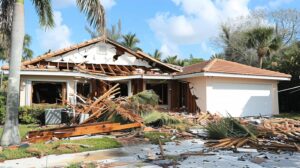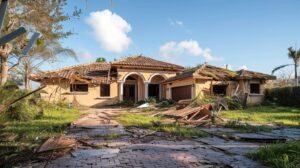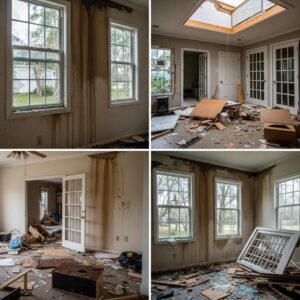
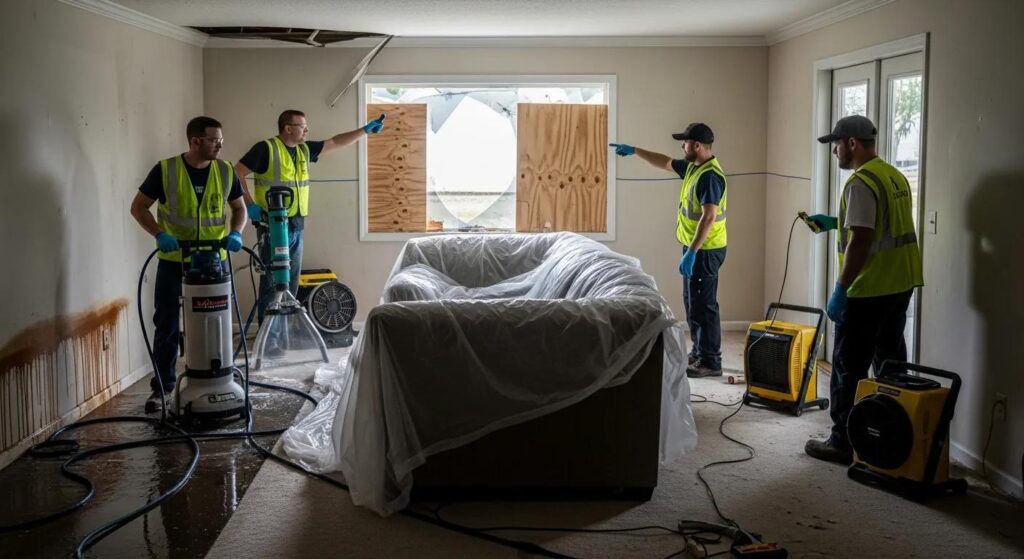
Comprehensive Hurricane Repair Services in Palm Beach County: Expert Emergency Water Damage Restoration and Mold Remediation

Hurricanes can inflict severe damage on properties, particularly in Palm Beach County. Prompt, effective hurricane repair is essential for homeowners seeking to protect their investments. This article reviews emergency water damage restoration and mold remediation, explains mitigation techniques, outlines mold inspection and remediation steps, and provides guidance on navigating insurance claims. It also offers practical preparedness tips to help residents reduce future risk.
How does emergency water damage restoration protect your Palm Beach property after a hurricane?
Emergency water damage restoration is essential to protect property after a hurricane. The process relies on rapid-response measures to limit water intrusion and prevent further loss. Using specialized equipment and proven methods, restoration professionals extract standing water and dry affected areas to reduce the likelihood of mold growth and structural harm. The long-term benefits of timely “water damage restoration” include preserving the property’s integrity and restoring a safe living environment for occupants.
What rapid water extraction techniques do we use to minimize damage?
To minimize damage during water restoration, several rapid extraction techniques are employed. These include:
- Submersible Pumps : These pumps are used to remove large volumes of water quickly from flooded areas, significantly reducing standing water levels.
- Wet/Dry Vacuums : Ideal for smaller amounts of water, these vacuums can efficiently extract moisture from carpets and hard surfaces.
- Truck-Mounted Extractors : These powerful machines are capable of removing water from carpets and upholstery, ensuring thorough extraction and faster drying times.
These extraction methods enable restoration teams to respond quickly and limit the overall impact of water damage on the property.
How do structural drying and dehumidification prevent mold growth?
Structural drying and dehumidification are core elements of water damage restoration. By applying advanced drying techniques, professionals remove moisture from walls, floors, and structural components. This process includes:
- Air Movers : High-velocity fans are used to circulate air and promote evaporation, speeding up the drying process.
- Dehumidifiers : These devices extract moisture from the air, lowering humidity levels and creating an environment that is less conducive to mold growth.
Controlling humidity and completing thorough drying substantially reduces mold risk and protects both the property and occupant health.
What are the essential mold inspection and remediation steps following hurricane flooding?

After hurricane flooding, mold inspection and remediation are necessary to ensure a safe living environment. The process typically follows several key steps:
- Initial Assessment : A thorough inspection is conducted to identify areas affected by water intrusion and potential mold growth.
- Mold Testing : Samples may be taken to determine the type and concentration of mold present, guiding the remediation process.
- Containment : Affected areas are sealed off to prevent the spread of mold spores during the remediation process.
These steps are fundamental to effectively address mold issues and to safeguard residents’ health.
How is mold detected and assessed for health risks in Palm Beach County homes?
Mold detection uses several methods to assess potential health risks. Common techniques include:
- Visual Inspections : Trained professionals look for visible signs of mold growth, such as discoloration or water stains.
- Moisture Meters : These devices measure moisture levels in building materials, helping to identify hidden mold growth.
- Air Sampling : Collecting air samples can reveal the presence of mold spores and their concentrations, providing insight into potential health risks.
Homeowners and professionals use these detection methods to address mold promptly and effectively.
What certified mold remediation methods ensure safe removal and prevention?
Certified mold remediation methods are required to ensure safe and effective removal. These methods include:
- HEPA Filtration : High-Efficiency Particulate Air (HEPA) filters are used in air scrubbers to capture mold spores and prevent their spread during remediation.
- Chemical Treatments : Approved biocides and fungicides are applied to eliminate mold and prevent future growth.
- Physical Removal : Contaminated materials, such as drywall or carpeting, may need to be removed and replaced to ensure complete remediation.
Research further underscores the importance of proper containment and HEPA filtration in effective mold remediation projects.
Effective Mold Remediation: Risk Communication & HEPA Filtration
Risk communication is a critical element of any mold remediation project. Facilities Services managed the project under the oversight of a Certified Industrial Hygienist (CIH); the contractor installed a HEPA-filtered negative air machine to contain the work area.
Successful mold growth remediation in HVAC systems, 2008
Applying these certified methods helps ensure safe removal and reduces the likelihood of future mold recurrence.
Which storm damage repair services restore your home’s structural integrity after a hurricane?
Restoring structural integrity after a hurricane requires targeted storm damage repair services. These services are essential to ensure the safety and longevity of the property. Key repair services include:
- Roof Tarping : This temporary solution protects homes from further water intrusion by covering damaged roofs with tarps.
- Board-Up Services : Windows and doors are boarded up to prevent unauthorized access and additional damage from the elements.
- Structural Repairs : Professional contractors assess and repair any structural damage to walls, foundations, and other critical components.
These interventions restore safety and functionality to homes affected by hurricanes.
How do roof tarping and board-up services protect against further damage?
Roof tarping and board-up services play a vital role in limiting additional damage after a hurricane. By covering exposed areas, these services help to:
- Prevent Water Intrusion : Tarping roofs prevents rainwater from entering the home, reducing the risk of additional water damage.
- Secure the Property : Boarding up windows and doors deters theft and vandalism, ensuring the property remains safe during the recovery process.
- Minimize Exposure to Elements : Protecting the home from wind and debris helps to maintain its structural integrity until permanent repairs can be made.
These protective measures are essential to limit further loss while permanent repairs are planned.
What reconstruction and repair solutions address long-term storm damage?
Long-term storm damage requires comprehensive reconstruction and repair solutions to restore homes effectively. These solutions may include:
- Complete Roof Replacement : In cases of severe damage, replacing the entire roof may be necessary to ensure structural integrity.
- Foundation Repairs : Addressing any foundation issues is critical for maintaining the stability of the home.
- Interior Restoration : This may involve replacing drywall, flooring, and other interior elements affected by water damage.
Implementing these repairs helps homeowners return properties to a safe, resilient condition.
How can insurance claims assistance simplify your hurricane damage restoration process?
Navigating insurance claims after hurricane damage can be complex and stressful. Insurance claims assistance simplifies the process by providing support in key areas:
- Documentation : Professionals help gather necessary documentation, including photos and estimates, to support the claim.
- Communication : Assistance with communication between homeowners and insurance adjusters can streamline the claims process.
- Claim Follow-Up : Regular follow-up ensures that claims are processed efficiently and that homeowners receive the compensation they deserve.
Evidence indicates that robust insurance coverage, such as NFIP flood insurance, plays a critical role in household recovery after hurricane damage.
Hurricane Damage Recovery & NFIP Flood Insurance Claims
This study examines how households facing hurricane damage finance their recovery using detailed information on NFIP flood insurance claims paid to Michael-affected households, and suggests that flood insurance should assist recovery.
Improving household and community disaster recovery: Evidence on the role of insurance, X You, 2024
Professional claims support can be invaluable for homeowners seeking to recover from hurricane damage with less stress.
What documentation and evidence support successful insurance claims?
Successful insurance claims require comprehensive documentation. Key items to include are:
- Photos of Damage : Clear images of the damage help illustrate the extent of the loss.
- Estimates from Contractors : Professional estimates provide a basis for the claim amount.
- Receipts for Temporary Repairs : Documentation of any immediate repairs can support the claim and demonstrate proactive measures taken by the homeowner.
Organising and maintaining this documentation improves the likelihood of a successful claim.
How does SuperClean Restoration assist with insurance communication and approvals?
SuperClean Restoration Of The Palm Beaches LLC assists homeowners with insurance communication and approvals. Their services include:
- Expert Guidance : Professionals provide insights into the claims process, helping homeowners understand their rights and responsibilities.
- Negotiation Support : SuperClean Restoration can negotiate with insurance companies on behalf of homeowners to ensure fair compensation.
- Streamlined Process : By managing communication and documentation, they help expedite the claims process, allowing homeowners to focus on recovery.
This assistance helps ensure homeowners receive the support they need during a challenging recovery period.
What hurricane preparedness and prevention tips help Palm Beach County residents minimize future damage?

Preparedness is essential to minimise future damage to homes in Palm Beach County. Key actions for residents include:
- Regular Maintenance : Conducting regular inspections of roofs, gutters, and drainage systems can help identify potential issues before a storm.
- Emergency Planning : Developing a comprehensive emergency plan ensures that families know how to respond during a hurricane.
- Community Resources : Engaging with local resources and organizations can provide valuable information and support during hurricane season.
Pre-disaster planning is consistently identified as a key factor in reducing the severe impacts of hurricane damage and in building community resilience.
Planning for Residential Hurricane Damage Recovery & Resilience
The study found that the effects of hurricane damage, often worsened by inadequate planning, can be mitigated by developing policies in advance to support residential property owners in rebuilding and creating safe, economically vibrant, and resilient communities.
Planning for housing recovery?
Lessons learned from Hurricane Andrew, Y Zhang, 2009
Adopting these preparedness strategies helps residents strengthen resilience against future storms.
Which maintenance practices reduce vulnerability to storm damage?
Effective maintenance practices reduce a home’s vulnerability to storm damage. These include:
- Clearing Gutters : Regularly cleaning gutters and downspouts prevents water buildup and reduces the risk of roof damage.
- Trimming Trees : Keeping trees trimmed and removing dead branches can prevent them from falling on the home during a storm.
- Sealing Windows and Doors : Ensuring that windows and doors are properly sealed can help prevent water intrusion during heavy rains.
These routine measures play a key role in protecting homes from the impacts of hurricanes.
How can emergency planning improve response times and safety?
Emergency planning improves response times and enhances safety during hurricanes. Key elements include:
- Creating a Communication Plan : Establishing a communication plan ensures that all family members know how to reach each other during a storm.
- Conducting Drills : Regularly practicing emergency drills helps families become familiar with evacuation routes and safety procedures.
- Staying Informed : Keeping up-to-date with local weather forecasts and emergency alerts can help residents make informed decisions during a hurricane.
Prioritising emergency planning enhances household safety and preparedness for future storms.
Frequently Asked Questions
What should I do immediately after a hurricane to assess damage?
Immediately after a hurricane, prioritise safety. From a safe distance, check for visible damage such as downed trees, broken windows, or roof leaks. Do not enter areas that may be structurally compromised. Photograph damage for insurance purposes. If you suspect water intrusion, shut off electricity to affected areas. Contact a qualified professional for a full assessment and to discuss necessary repairs. Always follow local authority guidance on safety and access to your home.
How can I prevent mold growth after water damage?
Prevent mold by drying affected areas promptly. Use fans and dehumidifiers to lower humidity and ensure adequate ventilation. Remove wet materials that cannot be thoroughly dried. Clean and disinfect surfaces with water and detergent, and consider a mold inhibitor where appropriate. Regularly inspect hidden areas, such as behind walls or under sinks, and address moisture issues promptly to maintain a healthy environment.
What are the signs of structural damage after a hurricane?
Signs of structural damage include visible cracks in walls or foundations, doors or windows that no longer close properly, and sagging ceilings or floors. Water stains or discoloration may indicate leaks or ongoing water intrusion. If you observe these signs, engage a professional for a comprehensive evaluation. Timely assessment and repair are essential to prevent further damage and safety hazards.
How can I choose a reliable hurricane repair contractor?
Choose a reliable contractor by researching local firms with hurricane restoration experience. Verify licenses and insurance to confirm qualifications. Read reviews and request references from previous clients. Obtain multiple estimates to compare scope and cost. Ensure the contractor provides clear communication and a defined project timeline to keep you informed throughout the repair process.
What types of insurance cover hurricane damage?
Hurricane damage can be covered by homeowners insurance and by separate flood insurance. Homeowners policies typically cover wind-related damage but may exclude flood damage, which is often covered under a distinct flood insurance policy. Review your policy details to understand limits and exclusions, and consider supplemental coverage if you are in a high-risk area. Consult your insurance agent to clarify your options.
What are the long-term benefits of professional hurricane restoration services?
Professional hurricane restoration provides long-term benefits: thorough damage assessment, effective repairs that restore structural integrity, and preventive measures against future mold and water problems. Professionals also assist with insurance claims to help secure fair compensation. Investing in expert restoration improves property resilience and helps maintain a safe living environment.
Conclusion
Investing in comprehensive hurricane repair services is critical to safeguard your property and support long-term resilience. Applying expert water damage restoration and mold remediation techniques protects your investment and helps restore a safe living environment. A clear understanding of the insurance claims process further supports recovery. Begin by exploring our professional restoration services today.