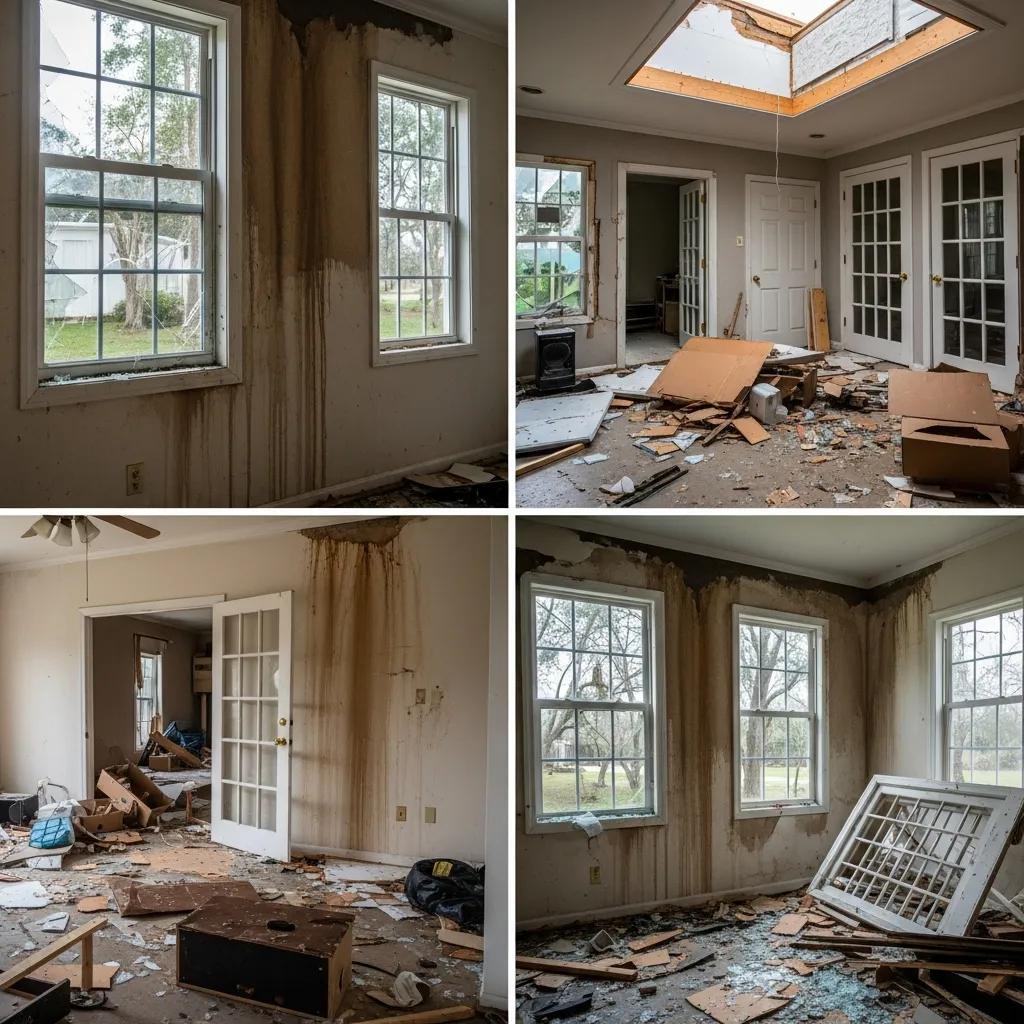
Identifying Hurricane Property Damage Signs: Key Inspection Steps for Palm Beach County Properties

Hurricanes frequently produce significant property damage in vulnerable areas such as Palm Beach County. Recognising common post-storm indicators—water intrusion, mold colonization, and structural compromise—helps homeowners act decisively. This article outlines those indicators and the inspection steps to identify them early, so you can mitigate further loss and ensure an effective restoration process. We cover initial water-damage signs, methods to detect mold, roof and structural warning signs, the role of professional inspections, and how emergency restoration services support recovery.
What Are the First Signs of Water Damage After a Hurricane?
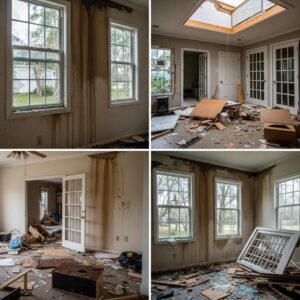
Identifying water damage quickly reduces the risk of secondary problems such as mold and structural decay. Early indicators include discoloration on walls or ceilings, peeling paint, and damp or musty odours. These signs indicate water has infiltrated the building envelope and should prompt a timely inspection and mitigation plan to limit escalation.
How to Detect Water Intrusion and Moisture in Your Property
Effective detection combines visual inspection and diagnostic tools. Inspect for water stains, visible mold, or warped finishes, and use moisture meters to quantify residual moisture in walls and floors. Focus checks on known risk areas—basements, attics, crawlspaces—and document findings for any follow-up remediation.
Why Rapid Water Extraction Is Critical to Prevent Structural Decay
Prompt water extraction and drying protect structural components and limit microbial growth. Standing water degrades materials and elevates remediation costs. Rapid action preserves building integrity and reduces health risks associated with mold proliferation.
How Can You Identify Mold Growth After a Storm in Palm Beach County?

Mold commonly follows water intrusion in humid climates like Palm Beach County. Typical indicators are black, green, or white surface patches and a persistent musty odour. Early recognition enables timely remediation and reduces risk to occupants and building materials.
Recognizing Mold Indicators and Understanding Health Risks
Visible patches on walls, ceilings or floors and a persistent musty smell are primary mold indicators. Exposure can cause respiratory symptoms, allergic reactions, and skin irritation; people with asthma or weakened immune systems are at greater risk. Addressing mold promptly helps protect occupant health and limits remediation scope.
Research further emphasises the significant health risks associated with mold exposure following hurricane-related flooding.
Hurricane Mold Exposure: Health Risks & Cleanup Practices
Exposure to indoor mold is a serious concern after hurricane-related flooding [5]. Mold can exacerbate allergies or asthma and cause serious invasive mold infections (IMIs), which cause high morbidity and mortality in immunocompromised people [5]. Knowledge about mold’s impact on health and proper mold clean-up practices varied, and clean-up behaviors did not commonly align with federal guidance.
Perceptions, knowledge, and communication preferences about indoor mold and its health implications among persons affected by Hurricane Harvey: a focus group …, P Gandhi, 2022
When Should You Schedule Mold Inspection and Remediation Services?
Schedule a professional mold inspection if you observe visible growth or unexplained health symptoms. When water intrusion occurs, consult a remediation specialist within 24–48 hours when feasible to reduce the likelihood of established mold colonies and to limit remediation costs.
What Are the Key Roof and Structural Damage Signs to Inspect Post-Hurricane?
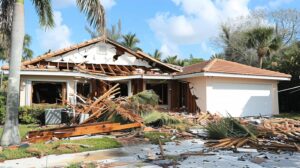
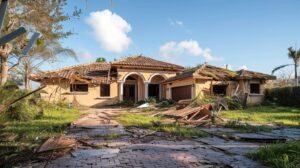
Post-hurricane roof and structural inspections are essential for safety and loss control. Look for missing or damaged shingles, active leaks, sagging rooflines, cracks in walls, uneven floors, and doors or windows that no longer operate correctly. Early identification enables targeted repairs and reduces risk to occupants.
The importance of these assessments is underscored by studies highlighting how hurricane forces can severely compromise building integrity.
Assessing Hurricane Structural Damage: Roof & Exterior Integrity
Such forces can compromise the integrity of roofing systems, exteriors, and openings, leading to significant structural damage. The importance of thorough post-hurricane assessments and timely repair actions cannot be overstated. Such actions are vital for safeguarding the structural integrity of properties and ensuring long-term resilience against future storm events.
Assessing Hurricane-Induced Structural Damage: Implications for Building Resilience and Design Standards, R Mullapudi, 2024
Common Roof Damage Types and How to Spot Them
Common roof damage includes missing or damaged shingles, active leaks, and ceiling water stains. Inspect for torn underlayment, displaced flashing, and debris that may block drainage and cause water pooling. Document observed damage for repair planning and insurance claims.
Assessing Structural Integrity: What Homeowners Should Look For
Check for wall cracks, sloped or uneven floors, and doors or windows that jam or fail to close. These symptoms can indicate foundation movement or framing damage and warrant prompt evaluation by a qualified inspector or structural professional.
Furthermore, specific research points to the heightened vulnerability of elevated residential structures to wind damage during hurricanes, even at speeds below design levels.
Wind Damage to Florida Elevated Homes: Structural Vulnerabilities
Our findings suggest that a revised design approach is needed, as many elevated residential structures sustained significant wind damage even at wind speeds below the current design level. Elevating a structure increases its exposure to wind forces, making it more vulnerable to damage during hurricanes.
Structural performance and fragility assessment of elevated residential buildings during 2017–2018 hurricanes in
Texas and Florida, HA Ibrahim, 2017
When and How Should You Schedule a Professional Hurricane Damage Inspection?

Booking a professional hurricane damage inspection promptly is a key recovery step. Arrange an inspection as soon as conditions allow to uncover concealed damage. A comprehensive assessment identifies necessary mitigation and repair actions and supports accurate documentation for insurance and restoration planning.
Step-by-Step Guide to Booking Emergency Restoration Services in Palm Beach
- Contact Restoration Services : Reach out to a reputable restoration company specializing in hurricane damage.
- Provide Information : Share details about the storm’s impact on your property and any visible damage.
- Schedule an Inspection : Arrange for a professional to assess the damage and provide a detailed report of necessary repairs.
What to Expect During a Certified Property Damage Assessment
During a certified assessment, technicians use specialised instruments to evaluate damage extent. Typical procedures include moisture mapping, structural evaluation, and a room-by-room review of affected areas. You will receive a detailed report that outlines recommended repairs and estimated costs.
How Do Emergency Restoration Services Address Hurricane Damage in Palm Beach County?
Emergency restoration services provide coordinated mitigation and repair workflows tailored to hurricane-impacted properties. Services include water damage restoration and mold remediation delivered by certified technicians to ensure an efficient, standards-based recovery.
Overview of Water Damage Restoration and Mold Remediation Techniques
Standard restoration processes include water extraction, controlled drying and dehumidification, and appropriate cleaning or removal of affected materials. Mold remediation commonly employs containment, removal of contaminated materials, and antimicrobial treatments to restore safe conditions and reduce recurrence risk.
Why Choosing Certified Experts Ensures Reliable and Timely Recovery
Certified experts follow recognised industry practices and bring training, experience, and specialised equipment to complex restorations. Their approach delivers consistent, documented results and provides homeowners with professional oversight during a stressful recovery period.
To ensure your property is protected, consider reaching out to water damage services in Palm Beach County. They can provide the necessary expertise to address any issues promptly and effectively.
Frequently Asked Questions
What should I do immediately after a hurricane to assess my property?
Immediately prioritise safety: confirm utilities and hazards are secure before entering. From a safe vantage, inspect the exterior for downed power lines, fallen trees and major debris. When it is safe to enter, document visible damage—leaks, structural failures, or compromised openings—with photographs for insurers. If you observe significant or concealed damage, contact a professional inspector for a full evaluation.
How can I prevent mold growth after water damage?
Act quickly to remove standing water and initiate drying. Use fans and dehumidifiers to lower humidity and improve air circulation. Ventilate enclosed spaces and monitor moisture levels; if you detect a musty odour or visible mold, engage appropriate cleaning protocols or a qualified remediation service to contain and remove contamination.
What are the long-term effects of ignoring hurricane damage?
Neglecting hurricane damage increases the risk of structural deterioration, higher repair costs and health exposure from mold. Water-compromised materials degrade over time, and unresolved mold can produce ongoing respiratory and allergic issues. Timely assessment and remediation preserve property value and occupant safety.
How often should I have my property inspected for hurricane damage?
Have your property inspected at least annually if you reside in a hurricane-prone area, and schedule inspections promptly after major storms. Regular assessments catch minor defects before they escalate and support proactive maintenance of structural and envelope integrity.
What types of insurance cover hurricane damage?
Homeowners insurance commonly covers wind-related structural and personal-property damage, but standard policies may exclude flood damage. To protect against flood losses, consider a separate flood insurance policy through the NFIP or a private insurer. Review policy terms with your insurance agent to confirm coverage details for hurricane-related perils.
What are the benefits of hiring a professional for damage assessment?
Professional assessors identify concealed damage using specialised tools and methods that homeowners may lack. They provide comprehensive reports for insurance claims, recommend prioritised repairs, and manage hazardous materials such as mold safely. Certified professionals help ensure a thorough, standards-based recovery process.
Conclusion
Recognising hurricane-related damage early is critical to protect your home and occupants in Palm Beach County. Identifying water intrusion, mold growth and structural deficiencies enables targeted mitigation and reduces long-term costs. Engage certified inspection and restoration providers to ensure a thorough, standards-based recovery tailored to your needs.