Comprehensive Hurricane Damage Restoration Assessment Process Explained

Hurricanes cause severe damage to buildings and create significant recovery challenges for homeowners and businesses. Understanding the hurricane damage restoration assessment process is essential to an effective recovery. This article explains the key steps for assessing hurricane damage, the water damage restoration process, mold remediation, emergency restoration services, and insurance-claims navigation. After reading, you will have a clear overview of how to manage the aftermath of a hurricane.
What Are the Essential Steps in the Hurricane Damage Inspection Process?
The inspection process follows a sequence of critical actions to ensure a complete assessment and organised recovery. Inspectors perform a comprehensive survey to identify visible and concealed damage. That review evaluates structural integrity and traces sources of water intrusion. Accurate documentation is prepared to support insurance claims and guide subsequent restoration work.
Effective recovery depends on a thorough initial assessment and coordinated emergency planning.
Hurricane Disaster Assessment & Emergency Planning
Case studies from Hurricane Katrina in Gulfport, MS, inform damage assessments and emergency response planning. The referenced research outlines a system-level approach that employs image-driven data mining in high-resolution satellite imagery.
Hurricane disaster assessments with image-driven data mining in high-resolution satellite imagery, CF Barnes, 2007
How Is Property Damage Assessed After a Hurricane?
Property damage assessment uses a combination of specialised tools and visual inspection to ensure accuracy. Inspectors commonly employ thermal imaging to reveal hidden moisture and structural compromise. Moisture meters quantify saturation levels in walls and floors to prioritise interventions. Visual surveys then integrate these findings into a consolidated condition report.
Evaluating the effectiveness of these assessment techniques is essential to safeguard structural integrity and build resilience.
Assessing Hurricane Structural Damage for Building Resilience
These assessment actions are important for protecting the structural integrity of buildings and infrastructure. The research emphasises the need to evaluate load transfer effectiveness between structural components.
Assessing Hurricane-Induced Structural Damage: Implications for Building Resilience and Design Standards, R Mullapudi, 2024
What Role Does Emergency Water Extraction Play in Initial Damage Control?

Emergency water extraction is a primary control measure after a hurricane. Rapid removal of standing water limits structural deterioration and lowers the risk of secondary issues such as mold. Response time is critical: the longer water remains, the greater the damage. Using specialised equipment—submersible pumps and industrial vacuums—ensures efficient extraction and prepares the site for drying and restoration.
How Does the Water Damage Restoration Process Work Post-Hurricane?
Water damage restoration follows defined stages to return a property to its pre-loss condition. The workflow begins with a detailed damage assessment, continues with water removal and drying, and concludes with repair and restoration. Professional services are necessary to verify that moisture is eliminated and to prevent recurring problems such as mould growth and structural decay.
What Are the Key Water Damage Restoration Steps Following Flooding?
Following flooding, the core steps in water damage restoration include:
- Water Removal : Utilizing pumps and vacuums to eliminate standing water.
- Drying and Dehumidification : Employing air movers and dehumidifiers to dry out affected areas.
- Repair and Restoration : Addressing any structural damage and restoring the property to its original state.
These procedures are fundamental to minimising damage and restoring a safe environment for occupants.
How Does Structural Drying Prevent Further Property Loss?
Structural drying is essential to limit ongoing loss after water damage. Effective drying uses high-velocity air movers and dehumidifiers to extract moisture from walls, floors and other structural elements. Proper dehumidification techniques reduce mould risk and preserve building materials. Prompt structural drying also shortens restoration timelines and lowers overall repair costs.
When and How Is Mold Remediation Conducted After Hurricane Damage?
Mold remediation is performed after water damage is identified, particularly following hurricane events. Timing is critical; remediation should commence as soon as conditions permit to prevent mould colonisation. Established remediation methods are applied to remove contamination and restore a safe indoor environment for occupants.
Why Is Mold Inspection Critical After Water Damage?
Mold inspection is critical because mold exposure can produce respiratory symptoms, allergic reactions and other health concerns. Inspectors combine visual assessment with targeted air quality testing to determine the presence and extent of mould. Early detection supports safe, effective remediation planning.
What Are the Effective Mold Remediation Techniques Post-Hurricane?

Effective mold remediation techniques include the following:
- Removal of Contaminated Materials : Disposing of materials that cannot be salvaged, such as drywall and carpeting.
- Use of Antimicrobial Treatments : Applying specialized solutions to kill mold spores and prevent regrowth.
- Air Quality Control : Utilizing air scrubbers to improve indoor air quality during the remediation process.
When applied correctly, these measures restore habitability and reduce health risks after water intrusion.
While multiple methods are used, adherence to best practices regarding antimicrobial agents is important.
Mold Remediation Best Practices in Buildings
The referenced guidance cautions against relying on disinfectants and antimicrobial agents as the primary strategy. Remediation should prioritise removal of mold-contaminated materials rather than attempting to simply kill mold.
Mold remediation in North American buildings, 2011
What Emergency Hurricane Restoration Services Are Available for Immediate Response?
Emergency restoration services address immediate post-hurricane needs. Typical interventions include water extraction, structural drying and mold remediation. Rapid mobilisation of trained crews is essential to limit long-term damage and to begin the restoration process promptly.
How Does Rapid Response Mitigate Long-Term Damage?
A fast, organised response reduces the scope of long-term damage. Prompt remediation of water intrusion and structural defects limits repair costs and curbs mould development. Engaging certified emergency restoration services ensures the work is carried out efficiently and to recognised standards, providing reassurance during a stressful recovery period.
Who Provides Certified Emergency Restoration Services in Palm Beach County?
In Palm Beach County, certified emergency restoration providers are available to support property owners after hurricanes. Companies like SuperClean Restoration Of The Palm Beaches LLC offer water damage restoration and mold remediation services for local residences and businesses. Their experience helps return properties to a safe, habitable condition.
How Can Property Owners Navigate Insurance Claims After Hurricane Damage?
Navigating insurance claims after hurricane damage can be complex. Property owners should understand required documentation and the procedural steps to support a successful claim. Careful preparation and familiarity with the claims process improve the likelihood of a favourable outcome.
What Documentation Is Needed for Hurricane Damage Insurance Claims?
Essential documentation for hurricane damage insurance claims includes:
- Photos of Damage : Visual evidence of the extent of the damage.
- Repair Estimates : Detailed estimates from restoration professionals.
- Proof of Ownership : Documentation proving ownership of the damaged property.
Keeping these documents organised and accessible will streamline the claims process and support accurate assessment by insurers.
How Does a Professional Damage Assessment Support Claim Approval?
A professional damage assessment strengthens an insurance claim by providing a detailed, verifiable account of damage and necessary repairs. Credible assessments give insurers clear evidence of loss and scope of work. Engaging qualified professionals ensures the assessment is comprehensive and supports a more favourable claims resolution.
| Service | Description | Benefit |
|---|---|---|
| Water Extraction | Immediate removal of standing water | Prevents further damage and mold growth |
| Structural Drying | Comprehensive drying of affected areas | Preserves building integrity and reduces restoration time |
| Mold Remediation | Removal of mold and prevention of regrowth | Ensures a safe living environment |
This table summarises the core services provided during hurricane damage restoration and their principal benefits for recovery.
Understanding the hurricane damage restoration assessment process enables property owners to manage post-storm recovery more effectively. Following the outlined steps and engaging professional services helps reduce risk and restore safety.
Frequently Asked Questions
What Should Homeowners Do Immediately After a Hurricane?
Immediately after a hurricane, prioritise personal safety and assess the property for hazards such as downed power lines or unstable structures. Document all damage with photographs to support insurance claims. If it is safe to do so, begin water removal and drying to limit further damage. Contact emergency restoration services without delay and follow local advisories. Do not enter severely damaged areas until professionals confirm they are safe.
How Can Homeowners Prevent Mold Growth After Water Damage?
To prevent mold growth, act quickly to remove standing water and begin drying within 24 to 48 hours. Use dehumidifiers and fans to improve air circulation and lower moisture levels. Inspect hidden locations—behind walls and under carpets—for residual moisture. Maintain ventilation and repair leaks promptly. If you suspect mold, engage professional remediation services to assess and address the issue.
What Are the Long-Term Effects of Hurricane Damage on Property?
Long-term effects can include structural deterioration, chronic moisture issues and mold growth, all of which can compromise safety and reduce property value. Untreated water damage accelerates material decay and may lead to costly repairs. Property owners could also face higher insurance premiums or difficulty obtaining coverage in the future. Regular maintenance and timely restoration are essential to mitigate these long-term impacts.
How Can Property Owners Choose the Right Restoration Company?
Choosing the right restoration company requires research into local providers, verification of certifications, and review of customer feedback. Select firms with demonstrable experience in hurricane-related restoration that offer comprehensive services, including water extraction, drying and mold remediation. Request references, confirm insurance coverage, and obtain a clear estimate and timeline to ensure transparency and reliability.
What Are the Signs of Hidden Water Damage After a Hurricane?
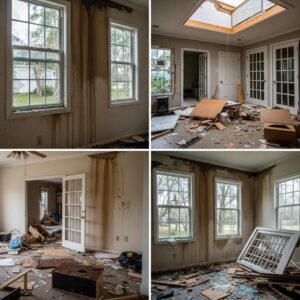
Signs of hidden water damage include discoloration on walls or ceilings, peeling paint and warped flooring. A persistent musty odour often indicates mold. Elevated indoor humidity or condensation on windows can also signal moisture issues. If you notice these signs, arrange a thorough inspection and consider professional assessment to identify and remediate concealed damage.
What Is the Importance of Professional Assessment in Restoration?
A professional assessment is critical because it provides an accurate evaluation of damage and required repairs. Certified technicians use specialised tools and methods to detect hidden issues that may escape visual inspection. A detailed assessment supports a practical restoration plan and provides credible documentation for insurance claims.
Conclusion
Understanding the hurricane damage restoration assessment process equips property owners to navigate recovery with greater confidence. Engaging professional services for water extraction, structural drying and mold remediation helps minimise damage and restore a safe environment. Timely action and thorough documentation are vital for successful insurance claims. Take the first step toward recovery by contacting certified restoration professionals today.