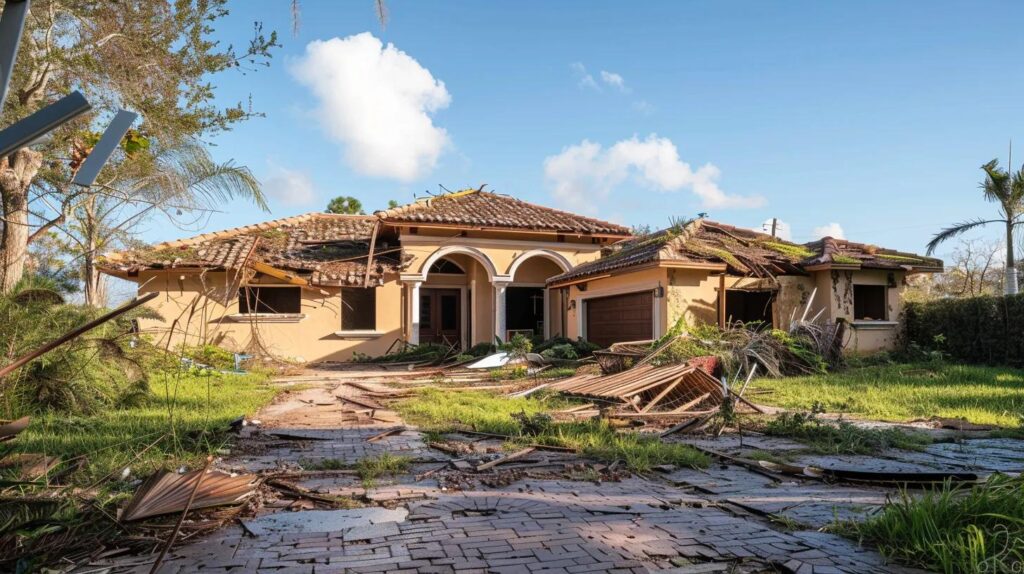
Essential Factors to Evaluate When Choosing a Licensed Hurricane Disaster Repair Company for Your Home

Choosing a hurricane disaster repair firm is a critical decision for homeowners after a storm. The right contractor affects safety, structural integrity, and the speed of recovery. This article outlines the key factors to evaluate—credentials, the water damage restoration process, mold remediation, insurance claims, and the role of rapid emergency services—so you can make an informed decision that protects your home and investment.
What Are the Key Credentials and Certifications to Verify in a Hurricane Damage Repair Company?
Verifying credentials and certifications is essential when assessing a hurricane damage repair company. Licenses and insurance demonstrate regulatory compliance and reduce homeowner liability. Certifications from recognised bodies, such as the Institute of Inspection, Cleaning and Restoration Certification ( ), further indicate adherence to accepted restoration best practices.
Why Is Licensing and Insurance Crucial for Disaster Restoration Contractors?
Licensing confirms that a contractor has met mandatory education and professional standards. Insurance protects homeowners from financial exposure due to on-site accidents or damage. Engaging unlicensed or uninsured contractors increases the risk of poor workmanship and limited recourse. Always request proof of current licenses and insurance before hiring.
Research indicates that robust licensing frameworks can improve the availability of qualified contractors during critical recovery periods.
Impact of Licensing on Disaster Recovery Contractor Supply
Licensing requirements will aid recovery by allowing increases in the supply of contractors in the days and weeks following a disaster.
Restricting reconstruction: occupational licensing and natural disasters, D Skarbek, 2010
Which Industry Certifications, Such As IICRC, Ensure Quality Restoration Services?
Industry certifications—especially from organisations like the —signal a commitment to quality restoration. Certification programs require training and adherence to procedural standards, preparing firms to manage water damage, mould remediation, and related disaster scenarios with appropriate methods and controls.
Additional research supports the role of industry-recognised certifications in maintaining consistent service quality.
Importance of IICRC Certifications for Disaster Restoration
IICRC-certified respondents tended to be more consistent in their responses, reflecting recognised standards and accepted practices.
Disaster restoration professional body of knowledge, RR Rapp, 2010
How Does the Water Damage Restoration Process Impact Hurricane Repair Outcomes?
The water damage restoration process directly affects overall repair outcomes. A methodical, timely restoration mitigates immediate loss and reduces the chance of long-term problems such as mould colonisation and structural deterioration.
What Are the Steps Involved in Emergency Water Extraction and Structural Drying?

Emergency water extraction and structural drying are the initial phases of the water damage restoration workflow. Technicians use specialised equipment—pumps, vacuums, dehumidifiers and air movers—to remove standing water and reduce moisture in building materials. The typical sequence includes:
- Assessment : Evaluating the extent of the water damage.
- Water Extraction : Removing standing water using pumps and vacuums.
- Drying : Employing dehumidifiers and air movers to dry out structures and materials.
Prompt completion of these steps is critical to limit damage and restore the home effectively.
How Do Advanced Dehumidification Techniques Prevent Further Property Damage?
Advanced dehumidification techniques are essential to prevent secondary damage after a hurricane. Reducing ambient and material moisture inhibits mould growth and preserves structural components. Properly applied dehumidifiers and controlled airflow maintain a dry environment and reduce the need for costly repairs later.
What Are the Risks of Mold After Hurricane Flooding and How Is Mold Remediation Handled?
Mould growth is a primary risk following hurricane flooding because damp conditions allow spores to proliferate. Understanding mould risks and the remediation approach is necessary to protect occupant health and the property.
How to Identify Signs of Mold Growth Following Storm Damage?
Early identification of mould after storm damage enables timely intervention. Typical signs include:
- Visible Mold : Dark spots or patches on walls, ceilings, or floors.
- Musty Odor : A persistent, unpleasant smell often associated with mould.
- Health Symptoms : Allergic reactions, respiratory issues, or other health problems in occupants.
If you observe any of these indicators, contact a licensed mould remediation professional for assessment and corrective action.
What Licensed Mold Remediation Practices Ensure Safe and Effective Removal?

Licensed mould remediation follows established practices to remove contamination safely. Typical procedures include containment, air filtration with HEPA systems, and the removal and cleaning of affected materials to control spore spread and eliminate sources.
- Containment : Isolating the affected area to prevent mold spores from spreading.
- Air Filtration : Using HEPA filters to capture airborne mold spores during the remediation process.
- Removal and Cleaning : Safely removing contaminated materials and cleaning surfaces to eliminate mold.
Adhering to these practices preserves occupant health and protects the home’s structural integrity.
How Can Homeowners Navigate Insurance Claims for Hurricane Disaster Repairs?
Navigating insurance claims after a hurricane can be complex. Knowing the required documentation and following a streamlined process helps homeowners access financial support for repairs more efficiently.
What Documentation and Estimates Are Needed for Insurance Approval?
To obtain insurance approval, homeowners should compile specific documentation, including:
- Damage Assessment : A detailed report of the damage caused by the hurricane.
- Estimates : Written estimates from licensed contractors outlining the cost of repairs.
- Photographic Evidence : Photos documenting the extent of the damage.
Preparing these documents in advance can accelerate the claims process and improve the likelihood of approval.
Beyond insurance, additional financial safeguards—such as payment bonds—can provide homeowners with extra protection during reconstruction.
Securing Construction Work with Payment Bonds
To secure a payment bond to cover the construction work, contact a lawyer to assist in obtaining the bond.
Construction Contracts and Contractors: Hurricane Andrew Reteaches Consumers, 1992
How Do Licensed Contractors Assist in Streamlining the Claims Process?
Licensed contractors help streamline insurance claims by providing accurate repair estimates, documenting work to insurer standards, and coordinating communication with claims adjusters. Their familiarity with local codes and insurance requirements reduces delays and misunderstandings.
- Providing Accurate Estimates : Offering detailed and accurate repair estimates that meet insurance requirements.
- Communicating with Insurers : Acting as a liaison between the homeowner and the insurance company to facilitate communication.
- Ensuring Compliance : Ensuring that all repairs meet local building codes and insurance standards.
Partnering with licensed professionals improves efficiency and helps ensure repairs satisfy insurer and regulatory expectations.
Why Is Rapid Emergency Storm Damage Repair Essential and How to Choose the Right Service?
Rapid emergency storm damage repair reduces secondary damage and protects occupant safety. Delays can increase the risk of mould, structural deterioration, and higher repair costs.
What Are the Benefits of 24/7 Emergency Restoration Availability?
Selecting a provider with 24/7 emergency restoration offers clear benefits:
- Immediate Response : Quick action can significantly reduce damage and repair costs.
- Peace of Mind : Knowing that help is available at any time alleviates stress during a crisis.
- Comprehensive Support : Emergency services often include assessment, extraction, and drying, ensuring a thorough response.
Access to round-the-clock services is vital for homeowners responding to hurricane damage.
How Does Local Expertise in Palm Beach County Enhance Repair Effectiveness?
Local expertise in Palm Beach County improves repair outcomes because contractors understand regional building codes, common damage patterns, and local weather impacts. Established local relationships with suppliers and insurers can also streamline procurement and claims handling.
What Makes SuperClean Restoration the Trusted Choice for Hurricane Disaster Repair in Palm Beach?
SuperClean Restoration Of The Palm Beaches LLC is recognised for its focus on quality and client service in hurricane disaster repair. The company specialises in water damage restoration and mould remediation, emphasises rapid response, and employs licensed, insured technicians to deliver effective repairs.
How Do Licensed Professionals and Proven Experience Ensure Reliable Repairs?
Licensed technicians at SuperClean Restoration apply proven methods and field experience to identify issues early and implement appropriate repairs. Their track record and customer feedback reflect a consistent commitment to quality and reliability.
What Are the Next Steps to Schedule a Free Estimate or Emergency Service?
To schedule a free estimate or request emergency service from SuperClean Restoration, contact the company directly and act promptly to limit further damage. Expect a comprehensive damage assessment and a clear plan for repairs during the estimate, with transparency on scope and costs.
Frequently Asked Questions
What Should Homeowners Look for in Customer Reviews of Disaster Repair Companies?
When reviewing customer feedback, focus on the quality of workmanship, responsiveness, professionalism, and the company’s communication during the project. Notes about timeliness, effective repairs, and insurance support are especially informative. Consistent positive reviews indicate reliability.
How Can Homeowners Prepare Their Property Before the Arrival of a Repair Team?
Before the repair team arrives, clear access paths, move valuables away from damaged areas, and photograph the damage for insurance. If it is safe, shut off utilities to prevent hazards. Share any observations or concerns with the crew on arrival to help them assess the situation efficiently.
What Are the Common Mistakes Homeowners Make When Choosing a Repair Company?
Common errors include hiring contractors without verifying licenses and insurance, neglecting references, and selecting solely on price. Overlooking industry certifications and rushing the decision can result in poor outcomes. Evaluate multiple firms and confirm credentials before committing.
How Long Does the Hurricane Repair Process Typically Take?
Repair timelines vary by damage severity and scope. Minor work may take days; extensive restoration can require weeks or months. Material availability, repair complexity, and crew capacity also affect duration. Discuss realistic timelines with your contractor up front.
What Should Homeowners Expect During the Mold Remediation Process?
Expect an initial assessment, containment to limit spore spread, use of specialised equipment for removal and cleaning, and possible temporary sealing of work areas. A follow-up inspection is typically performed to confirm the environment is remediated and safe for reoccupation.
Are There Any Financial Assistance Programs for Hurricane Repairs?
Various financial assistance options may be available, including federal aid through FEMA, state grants, and low-interest disaster loans. Homeowners should consult local agencies and non-profits for current programs and review insurance policy terms with their agent.
Conclusion
Selecting a licensed hurricane disaster repair company is essential to protect your home’s safety and value. Verify credentials, understand the restoration steps, and prepare documentation to streamline insurance recovery. Working with experienced professionals like SuperClean Restoration can simplify the process and offer reassurance. Contact us today to schedule your free estimate and begin restoring your home.