Water damage is often more than just an inconvenience: it can be a significant threat to your home and health, leading to various health issues and increasing the risk to both your property and its occupants. At SuperClean Restoration, we’ve seen firsthand the myriad issues that arise from untreated water damage, from mold growth to structural weaknesses, extensive property damage, and the fact that mold can begin to grow within 24-48 hours after water damage occurs. In this text, we investigate into the health risks associated with untreated water damage, the signs to watch for, and why it’s essential to act swiftly to mitigate these issues. The elderly, infants, children, and immunocompromised individuals are at higher risk of health complications from water damage.
Understanding Water Damage
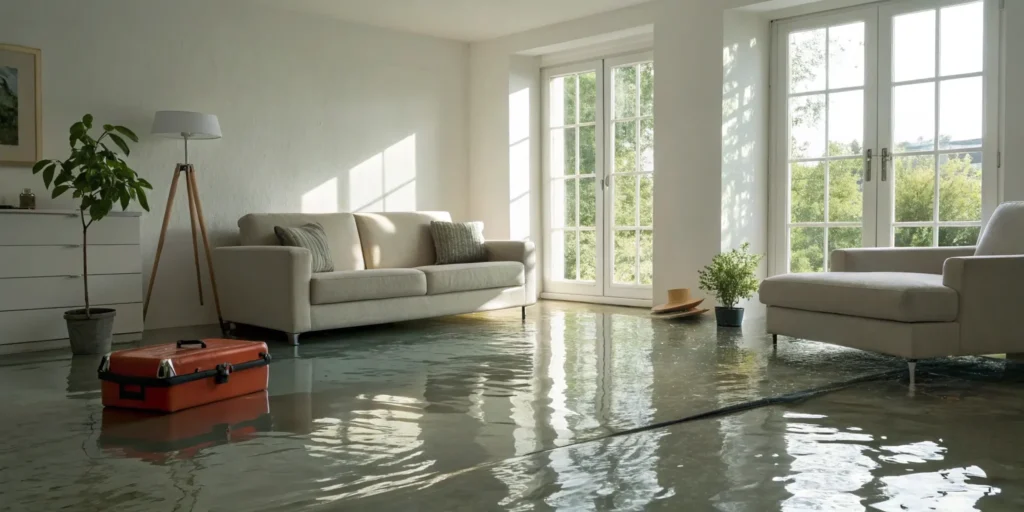
Water damage refers to the negative effects on materials or property due to the intrusion of water. This can occur in various forms, causing visible destruction such as flooding or hidden issues like moisture buildup behind walls and ceilings. Standing water, in particular, can quickly become contaminated and spread across surfaces throughout the home, increasing the risk of exposure to harmful substances.
Standing water can become a breeding ground for bacteria and viruses, leading to illnesses such as gastroenteritis and hepatitis A.
In addition to structural damage, water intrusion can introduce contaminants—including mold, bacteria, and viruses—that pose significant health hazards if not promptly addressed.
Common Causes of Water Damage
Some common causes of water damage that we encounter include:
- Water leaks, including leaking or burst pipes
- Roof leaks
- Appliance failures, such as washing machines or dishwashers
- Groundwater seepage during heavy rains
- Sewage backups
- Flooding from storms or heavy rainfall.
Promptly addressing leaks can prevent mold growth.
Water damage can also affect commercial property, not just homes.
Signs of Water Damage
Recognizing the signs of water damage can help you take action before the situation escalates:
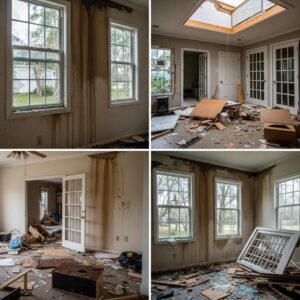
- Discoloration or stains on walls and ceilings
- Warped floors or swollen baseboards
- Musty odors or visible mold growth, especially on contaminated surfaces
- Peeling wallpaper or cracks around windows and doors
- Unexplained water leaks or damp spots
Chemical contaminants and volatile organic compounds (VOCs) can be released from materials damaged by water, posing additional health risks.
Health Risks Associated With Water Damage
The health risk tied to untreated water damage can be severe, affecting not just structures but the occupants within, leading to other health problems and health concerns such as respiratory issues, bacterial contamination, and poor air quality.
Prolonged exposure to mold and biotoxins can potentially cause neurological damage and chronic inflammatory response syndrome (CIRS).
Mold Growth and Its Effects
Mold can develop within 24 to 48 hours following water intrusion, and mold spores can be released into the air within this timeframe, indicating rapid growth. Its effects can range from mild allergies to severe respiratory issues. Common symptoms include:
- Coughing and wheezing
- Skin irritation
- Runny nose
- Nasal congestion
- Fatigue
- Headaches
- Other symptoms such as skin rashes and irritated eyes
- Chronic respiratory problems
Mold exposure can cause hypersensitivity pneumonitis, a serious lung inflammation, and people who are sensitive may experience allergic reactions after inhaling or touching mold or bacterial-contaminated surfaces.
Certain species of mold, such as mold types like Stachybotrys chartarum (commonly known as black mold), can produce mycotoxins that lead to severe systemic health issues. Mold exposure can also trigger allergic reactions such as sneezing, skin rashes, irritated eyes, and a runny nose. Exposure to mold spores can lead to respiratory problems, skin irritation, fatigue, and headaches.
Bacterial Contamination
Water that enters your home from sewage or flood sources often carries harmful bacteria and viruses and other microorganisms, leading to gastrointestinal illnesses, skin infections, and other systemic diseases. These bacteria and viruses thrive in contaminated environments and can spread quickly throughout your living environment. Standing water can become a breeding ground for bacteria and viruses, leading to illnesses such as gastroenteritis and hepatitis A. Toxic substances can also be present in contaminated water, further increasing health risks. Using disinfectants during the clean-up process can help prevent bacterial contamination after water damage.
Poor Indoor Air Quality
The moisture from water damage contributes to poor indoor air quality and poor air quality, exacerbating existing respiratory problems like asthma. High humidity promotes the proliferation of dust mites, mold, and mildew, increasing airborne allergens and leading to high levels of indoor contaminants. Maintaining humidity levels below 50% can help prevent mold and improve indoor air quality. It can lead to:
- Headaches
- Fatigue
- Sinus issues
These symptoms are often mistaken for allergies or common colds, making it vital to address the underlying water damage.
Respiratory Issues Linked to Water Damage
Long-term exposure to the conditions created by untreated water damage can lead to chronic respiratory conditions, including shortness of breath, bronchitis, and worsened lung function. Exposure to mold spores can lead to respiratory problems, skin irritation, fatigue, and headaches, and can make people feel sick. Ensuring a dry, clean environment is fundamental for maintaining not only comfort but health.
Decreased Property Value and Safety Hazards
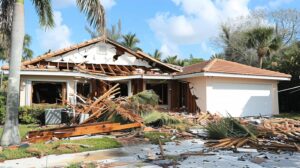
Neglecting water damage doesn’t just impact health: it can decrease your property’s value and cause significant structural damage to your home’s structure, including the foundation, walls, and floors, and create safety hazards.
Untreated water damage can lead to significant structural damage to a home, weakening the foundation, walls, and floors over time. The longer water damage goes untreated, the more extensive and expensive repairs become, resulting in potential waste of resources and property value. Water intrusion can also lead to secondary safety risks such as structural failures and electrical hazards. Water and electricity are a dangerous combination, as electrical hazards can arise when water contacts electrical wiring, increasing the risk of fire or electrocution.
Long-Term Health Consequences
If left untreated, long term exposure to water damage can result in other health problems. Chronic health issues can arise from prolonged exposure to mold and bacteria, including respiratory issues, allergies, bacterial infections, gastrointestinal illnesses, and skin infections. Children, pregnant women, and individuals with weakened immune systems are particularly vulnerable to the health risks associated with water damage, facing an increased risk of infections and complications. These may necessitate long-term medical attention, contributing to increased healthcare costs and diminished quality of life.
Pest Infestations and Health Risks
Water damage can attract unwanted pests by creating a breeding ground for insects and rodents, especially if water damage is left untreated for an extended period. These critters may introduce further health risks, as they are carriers of various diseases. Water damage can create an environment conducive to pest infestations, increasing health risks for occupants. Their presence can amplify allergies and necessitate additional pest control measures.
Mitigating Risks and Taking Action
Act quickly when water damage occurs to minimize health risks and prevent further issues. Proper ventilation in buildings can help prevent water damage and protect your property from long-term consequences. Utilizing professional water damage restoration services is essential to protect your home and health by addressing mold growth, bacterial contamination, and structural damage. Here’s how you can mitigate risks and take effective action.
Preventive Measures to Avoid Water Damage
To avoid encountering water damage in the first place and to protect your family and property, consider implementing these preventive measures:
- Regularly inspect your home for leaks and damage
- Maintain downspouts and gutters
- Seal cracks in your foundation
- Install sump pumps in flood-prone areas
- Check appliances for wear and tear
- Maintain humidity levels below 50% to prevent mold growth and improve indoor air quality
Importance of Professional Restoration Services
Engaging professional restoration services provides essential expertise in addressing water damage. Our team at SuperClean Restoration specializes in safely extracting water, drying affected areas, and preventing future growth of mold or bacteria. Timely intervention can prevent health issues and costly repairs. This not only protects your health but also preserves your property’s value.
Untreated water damage is a serious concern for every homeowner. From significant health risks associated with mold and bacterial growth to reduced property values, ignoring the problem only leads to greater complications. At SuperClean Restoration, we understand the urgency of addressing water damage swiftly and effectively. Contact our professional restoration team today to ensure a safe, healthy living environment while protecting your home for years to come.
Frequently Asked Questions about Health Risks from Untreated Water Damage
What are the health risks associated with untreated water damage?
Untreated water damage can lead to severe health risks, including mold growth, bacterial contamination, and poor indoor air quality. These conditions can cause respiratory issues, skin infections, and chronic allergies.
How quickly can mold develop after water damage?
Mold can start to grow within 24 to 48 hours of water intrusion. It’s critical to address water damage promptly to prevent mold-related health issues.
What signs indicate water damage in a home?
Signs of water damage include discoloration on walls, warped floors, musty odors, visible mold growth, and peeling wallpaper. Recognizing these signs early can prevent health risks.
Can untreated water damage attract pests?
Yes, untreated water damage can attract pests like rodents and insects. These pests may carry diseases and worsen allergies, adding further health risks to occupants.
How can I prevent water damage in my home?
Preventive measures include regularly inspecting for leaks, maintaining downspouts, sealing foundation cracks, and checking appliances. These steps can significantly reduce the likelihood of water damage.
What should I do if I’ve experienced water damage?
Immediately address water damage by engaging professional restoration services. Experts can ensure safe water extraction, drying, and prevention of mold and bacteria growth for your health and property safety.