When Your Home Is Damaged, Credentials Matter More Than You Think
Water damage doesn’t wait, and neither can you. When a pipe bursts at midnight or a storm leaves your property flooded, your first instinct is to call someone immediately. But here’s what many Palm Beach property owners discover too late: not all restoration companies are created equal, and the difference between a certified team and an uncertified crew can cost you thousands in incomplete repairs, failed insurance claims, and long-term structural problems.
We’ve spent years responding to properties damaged by water, mold, and storms throughout Palm Beach County. What we’ve learned is that credentials aren’t just impressive letters on a website. They’re proof that we’ve invested in rigorous training, stayed current with industry standards, and committed to doing restoration work correctly the first time.
When your home or business is damaged, you’re dealing with more than visible water or obvious mold growth. You’re facing potential hidden moisture pockets, compromised structural integrity, and health risks that untrained eyes can’t detect. This is where certification becomes your protection. Our certifications mean we follow documented protocols, use science-based techniques, and understand the technical details that separate adequate restoration from excellence.
The reality: insurance companies, courts, and building inspectors recognize certified credentials. If something goes wrong with your restoration later on, certification proves we met industry standards. That documentation protects you and helps ensure your insurance claim is valid.
Action step: Ask any restoration company about their specific certifications before hiring them. If they can’t clearly explain what they hold and why it matters, that’s a red flag.
The Certifications Our Team Holds and What They Mean
We maintain multiple advanced certifications across our entire team, and each one represents a specific area of expertise. Understanding what these mean helps you see why we’re equipped to handle your particular emergency.
Our cornerstone credential is IICRC (Institute of Inspection, Cleaning and Restoration Certification). We hold certifications in Water Restoration Technician (WRT), Applied Structural Drying (ASD), and Mold Remediation Technician (MRT) designations. These aren’t one-day courses. They require passing comprehensive exams covering water damage physics, moisture detection, drying equipment operation, mold biology, and remediation protocols.
We’re also certified by the State of Florida as a licensed restoration company, which involves background checks, proof of insurance, and compliance with state-specific regulations. This credential matters because Florida has unique challenges: our subtropical humidity accelerates mold growth, our sandy soil affects foundation drying strategies, and our hurricane season creates specific storm damage patterns that require localized expertise.
Beyond those, our teams hold NORMI certification for mold assessment and AMRT credentials for advanced mold remediation. Our lead technicians complete 40+ hours of continuing education annually to stay current with new drying equipment, diagnostic tools, and remediation science.
Why this matters to you: When you call us for water damage near Wellington or anywhere in Palm Beach County, you’re not getting a general contractor who dabbles in restoration. You’re getting specialists who have studied the science of how water moves through materials, how moisture hidden inside walls creates problems months later, and how to eliminate mold at the source rather than just treating visible growth.
Actionable takeaway: Request a copy of our certifications before we arrive. Legitimate companies are proud to show proof, and you deserve to verify who’s working in your home.
Why Palm Beach Property Owners Trust Our Certified Specialists
Trust is built on results, and results come from expertise. Over the years, we’ve developed relationships with dozens of insurance adjusters, contractors, and property managers across Palm Beach County. They call us back because our certified work holds up to scrutiny.
When an adjuster reviews a water damage claim, they’re looking for evidence that the restoration company followed industry standards. Our IICRC credentials mean we documented our process, used appropriate drying calculations, and tested moisture levels with calibrated equipment. Insurance companies understand this language. They’ve seen uncertified work fail, and they know certified work is less likely to result in future claims or disputes.
Property owners also trust us because we speak honestly about scope. A certified team doesn’t just see water and start ripping out drywall. We assess moisture content with meters, create a drying plan based on material and climate conditions, and explain why we’re recommending specific interventions. Our Wellington water damage restoration work, for example, accounts for the specific humidity and soil conditions in that area, not a one-size-fits-all approach.
Homeowners have told us repeatedly that our certifications gave them confidence during stressful situations. They could focus on their family or business while knowing the technical work was being done correctly. We’ve also had business owners rely on our documentation to support their business interruption insurance claims, which requires proof of the damage timeline and restoration scope.
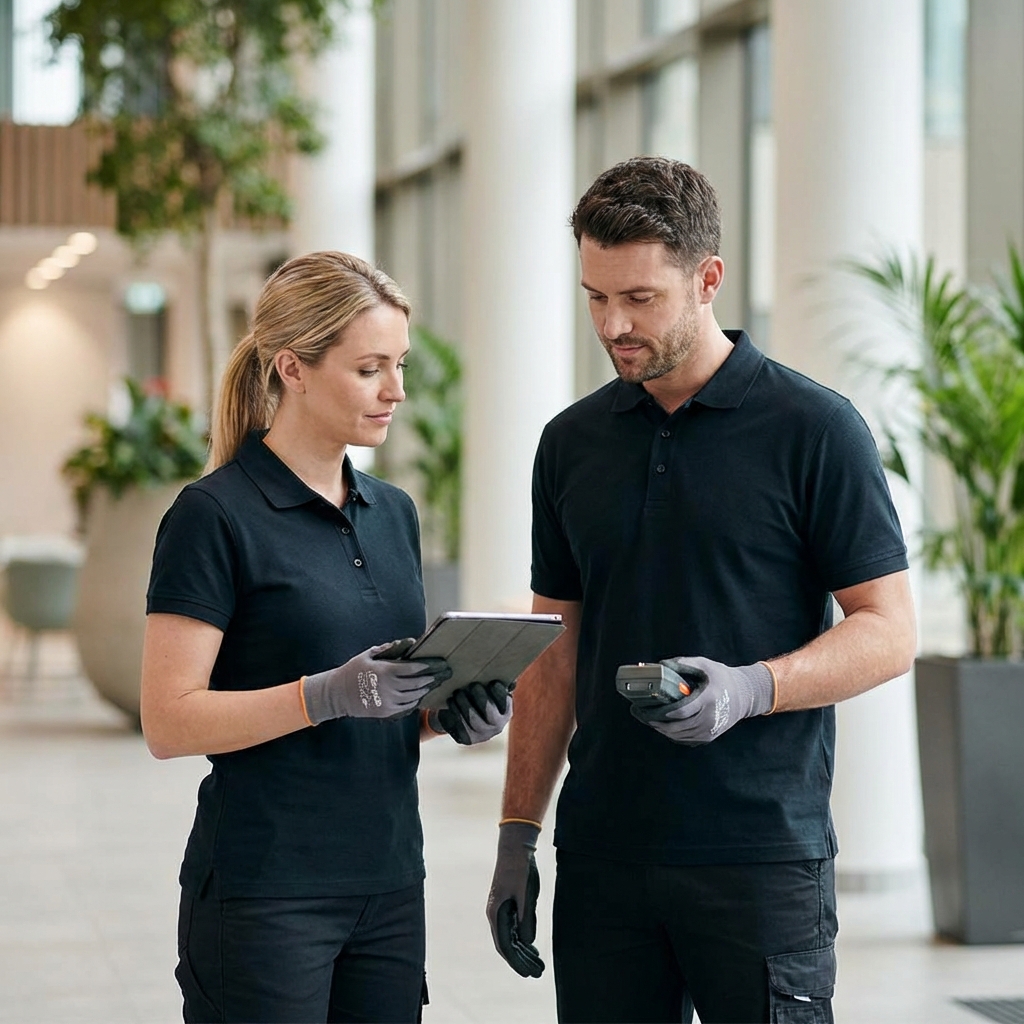
The word spreads in Palm Beach. One good restoration experience leads to referrals. Our certification status confirms what neighbors and friends are already recommending.
What to do next: Check online reviews and ask potential companies for references from past clients. Certified companies often have more detailed reviews because they document their work thoroughly.
How IICRC Certification Protects Your Water Damage Claims
The IICRC (Institute of Inspection, Cleaning and Restoration Certification) is the most widely recognized credential in the restoration industry. Insurance adjusters, contractors, and building inspectors understand what IICRC certification means, which is crucial when your claim is being evaluated.
Here’s how it protects you: When we arrive at your property, we follow standardized assessment procedures. We document initial conditions with photos and moisture readings. We calculate drying times based on material type, thickness, ambient conditions, and equipment deployed. This isn’t guesswork. It’s a reproducible process that’s been tested across thousands of projects.
Your insurance adjuster understands this process. If they question why certain materials were removed or why drying took a specific timeline, our certification documentation proves we followed accepted industry standards. Without it, you’re relying on the company’s word and hoping the insurance company accepts their reasoning.
We’ve seen claims denied or delayed because uncertified restoration companies didn’t document their process properly. They might have done fine work, but without the paperwork trail, the insurance company questions whether corners were cut. With our IICRC credentials, that documentation is built into our process.
The certification also means we carry appropriate equipment. IICRC standards dictate how many air movers are needed for a given space, what dehumidification capacity is required, and how long monitoring should continue. A certified team removes moisture faster and more completely, which reduces the timeline for your home to be habitable again.
For water damage claims specifically, our WRT and ASD certifications mean we understand how water moves through different materials and how to dry them without causing secondary damage. Drying a wooden floor incorrectly, for example, can cause permanent warping. Our certified approach prevents that.
Action item: When filing your insurance claim, mention that we’re IICRC certified. Provide the adjuster with our certification numbers. This documentation strengthens your claim’s defensibility.
Our Mold Remediation Credentials and Your Family’s Safety
Mold isn’t just a cosmetic problem. Exposure to mold spores and mycotoxins can trigger respiratory issues, allergic reactions, and other health concerns, particularly for children, elderly residents, and people with compromised immune systems. This is why mold remediation credentials exist, and why they matter for your family’s wellbeing.
Our IICRC MRT (Mold Remediation Technician) and NORMI certifications mean we understand mold biology: how different species grow, what conditions they require, and how to eliminate them without creating health risks during the remediation process.
Many people attempt DIY mold cleanup by using bleach on visible growth. This approach misses the core problem. Mold grows where moisture exists, and the moisture source must be eliminated first. Without addressing that, mold returns. Our certified process identifies moisture sources, removes affected materials correctly, dries the space thoroughly, and uses proper containment so mold spores don’t spread to unaffected areas during cleanup.
We’ve also been trained to distinguish between mold types, which matters because some species are more hazardous than others. We know when air testing is necessary and how to interpret results. We can create remediation plans that are appropriate for the mold type, the extent of growth, and your family’s specific health considerations.
Our credentials also mean we’re trained in proper disposal of contaminated materials and in using appropriate personal protective equipment and air filtration. When untrained crews remove mold, they sometimes spread spores throughout your home while trying to clean. Our certification ensures we contain and eliminate the problem safely.
For mold remediation in Palm Beach specifically, our training accounts for our humid subtropical climate, which creates persistent mold risk if moisture problems aren’t resolved completely.
Next step: If you suspect mold in your home, don’t attempt cleanup yourself. Call us for a certified assessment. We can tell you exactly what we’re dealing with and what needs to happen.
The Insurance Industry Standard: What We Meet and Exceed
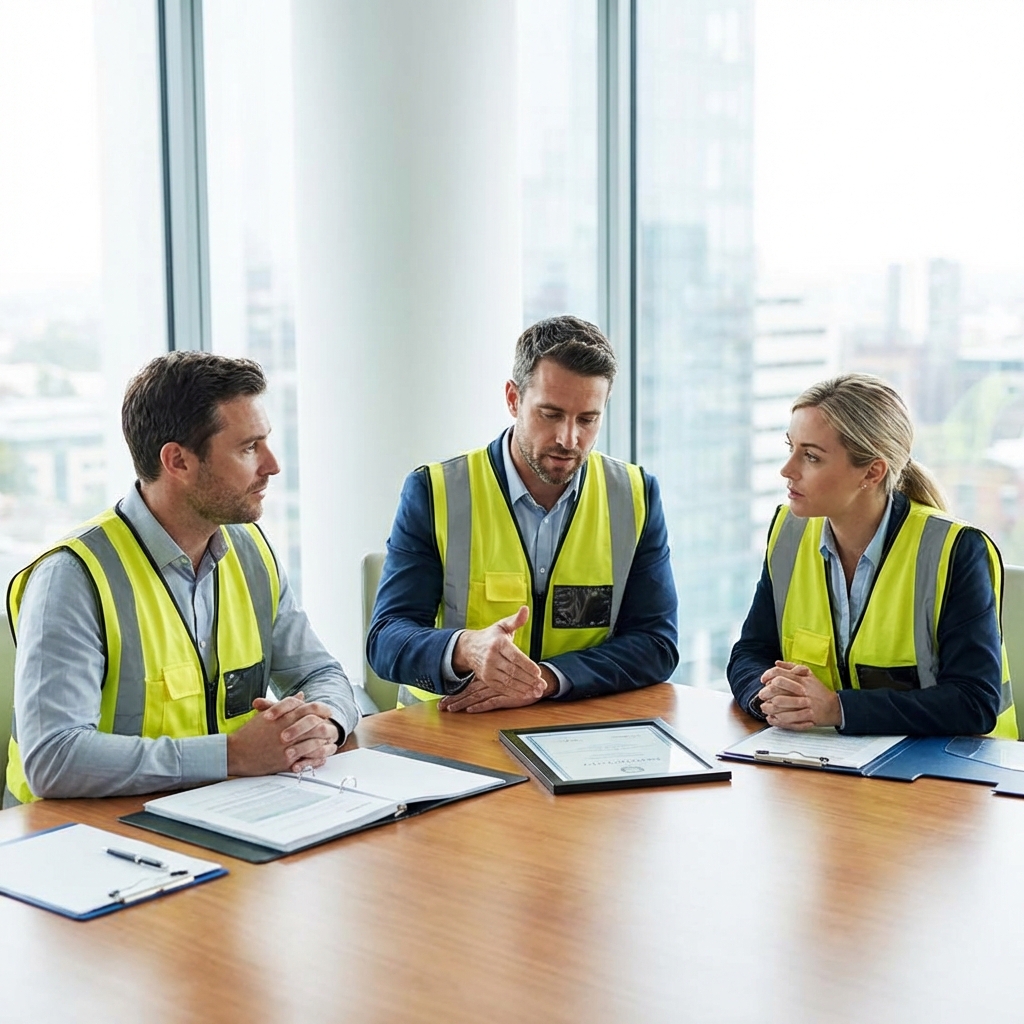
The restoration industry has standards for a reason: they work. Insurance companies, building codes, and professional organizations have converged around best practices that protect property and people. Our certifications mean we’re not just meeting these standards. We’re actively staying ahead of them.
The IICRC standards we follow are built on research and real-world project data. They dictate everything from moisture meter calibration to drying calculations to final testing protocols. When we complete a water restoration job, we don’t declare it done based on how it looks or feels. We test moisture levels in every material, verify that hidden moisture is gone, and document those results.
Many uncertified companies follow their own standards, which often means getting the job done quickly and cheaply rather than correctly. We’ve been called in to fix failed restorations where prior companies declared water-damaged materials dry when they actually still contained 15-20% moisture. That moisture causes mold growth within weeks.
We exceed standards in several ways. We use advanced moisture detection equipment beyond what minimum standards require. We typically deploy more air movers and dehumidification capacity than strictly necessary, which speeds up drying and reduces mold risk. We monitor properties longer than some standards recommend because Palm Beach’s humidity creates additional risk.
We also maintain higher insurance coverage and bonding than many competitors, which protects you if something goes wrong. Our certification requires proof of this financial responsibility.
The insurance industry has noticed. Adjusters who work regularly with us know our work meets their standards consistently. That means fewer disputes, faster claim approvals, and less stress for you.
Practical tip: Ask your insurance adjuster which restoration companies they trust most. They’ll likely mention certified firms because those companies reduce their claims headaches.
Structural Drying Expertise Only Comes From Advanced Training
Structural drying is the most technical part of water restoration, and it’s where certification genuinely separates competent teams from guesswork.
Water doesn’t just sit on surfaces. It wicks into materials, moves horizontally through walls, and becomes trapped inside structural components. Drying those materials requires understanding how moisture moves and using calculated equipment placement to extract it efficiently. One air mover in the wrong spot can leave pockets of moisture while wasting energy elsewhere.
Our ASD (Applied Structural Drying) certification means we’ve studied the physics of moisture movement and learned how to deploy equipment for maximum effectiveness. We use moisture meters to measure moisture content in drywall, flooring, and framing. We calculate how many air movers and what dehumidification capacity are needed for each space based on specific conditions.
For example, drying a water-damaged basement in Palm Beach is different from drying an upstairs bedroom flooded by a burst pipe. The basement has different materials, different air circulation patterns, and different ambient humidity levels. Our certified approach creates specific drying plans for each space rather than deploying identical equipment everywhere.
We’ve also been trained in advanced equipment like injectidry systems for wall cavities and dehumidification equipment that works in our humid climate. We know which equipment configurations work best for different moisture levels and timeframes.
Without this training, companies guess. They might get lucky and dry things eventually, but they often create secondary damage by over-drying some materials, or they leave hidden moisture that causes problems months later. Our certification means we dry structures completely and safely, without guesswork.
What this means for you: When we arrive, we develop a specific drying plan for your property, not a generic approach. That precision saves time and prevents future problems.
How Our Certifications Speed Up Your Recovery Timeline
Time is critical when your property is damaged. Every day of water damage increases mold risk, and every day of downtime costs money if you’re running a business. Our certifications directly speed up your recovery.
First, certification means we can accurately assess damage scope and predict timelines. We’ve been trained to identify moisture in places homeowners and untrained contractors miss. This prevents the scenario where restoration takes three weeks, you move back in, and mold appears two weeks later because moisture was still hidden.

Second, our expertise with equipment and drying techniques means we typically complete projects faster than uncertified competitors. We know which equipment combinations work fastest, how to position air movers for maximum effectiveness, and when space configurations need adjusting. Efficiency comes from training.
Third, our documentation speeds up insurance claim resolution. Adjusters review our work faster because our certifications prove we followed recognized procedures. Claims with certified restoration work typically move through approval cycles quicker than those with uncertified work, which requires more questioning and verification.
We’ve also developed relationships with insurance companies throughout Palm Beach County. They know us, they trust our documentation, and they don’t waste time challenging our assessments. This goodwill and credibility accelerates the claims process.
For your family or business, this timeline difference matters enormously. The difference between a certified team completing water damage restoration in five days versus an uncertified team taking ten days is the difference between your family living in a hotel for five days or ten days. It’s the difference between two weeks of business interruption or four weeks.
Actionable insight: When calling for restoration services, ask how long they typically take to complete water damage projects. Companies with training and experience will give you specific, realistic timelines.
What Separates Certified Professionals From Untrained Restoration Crews
The difference between us and an uncertified crew might not show up immediately, but it reveals itself over months and years. Understanding these differences helps you make the right decision.
Certified professionals follow documented protocols. We assess before we act, document what we find, and create a plan based on specific conditions. Uncertified crews might start removing wet materials immediately without proper assessment, which can lead to unnecessary expense or incomplete moisture removal in other areas.
We use calibrated equipment properly. Moisture meters, hygrometers, and other diagnostic tools require proper technique and regular calibration to give accurate readings. Untrained crews might eyeball conditions or use uncalibrated equipment, leading to guesses about when drying is complete.
Our training includes understanding material-specific drying techniques. Hardwood floors dry differently than laminate. Drywall dries differently than insulation. Certified professionals know these differences and adjust our approach accordingly. Untrained crews often use the same basic approach for everything, which works sometimes but fails other times.
We understand health and safety standards. Proper mold remediation requires containment, personal protective equipment, and controlled disposal. Training teaches us these protocols. Without training, companies might create secondary mold problems while trying to fix the first one.
We’re also trained in insurance claim documentation. We understand what adjusters need to see, how to present our findings clearly, and how to support your claim with appropriate evidence. Untrained crews focus on fixing the problem but often don’t provide documentation that helps with insurance.
Finally, certification means continuing education. We stay current with new equipment, emerging best practices, and industry changes. Untrained crews rely on experience from years past, which might not reflect current best practices.
Key difference: Ask any restoration company what they learned or improved in the past year. Certified professionals can point to specific trainings or new techniques. Untrained crews often can’t.
Your Next Step: Calling the Most Qualified Team in Palm Beach
When you’re facing water damage, mold growth, or storm-related property damage, you’ve now seen why certifications matter. They’re not checkboxes. They’re proof that we’re equipped to handle your emergency professionally, document our work properly, and help your insurance claim succeed.
We’re available 24/7 throughout Palm Beach County, ready to respond immediately when you need us. When you call, you’re getting a team with IICRC certifications, Florida state licensing, and the expertise to assess your specific situation and explain what comes next.
Contact us today for immediate assistance with water damage, mold remediation, or hurricane recovery. We’ll arrive quickly, assess your property with certified expertise, and get your recovery timeline started. Your family’s safety and your property’s integrity deserve certified professionals.
For further reading: Certified restoration specialists.