Why Standing Water Demands Immediate Action in Palm Beach
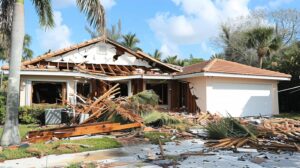
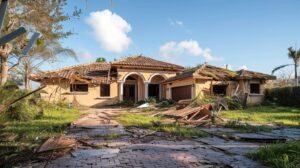
Standing water in your Palm Beach home or business doesn’t wait for convenient timing. Whether it’s from a burst pipe, storm surge, or a failed sump pump, every hour matters. We know the urgency because we respond to these emergencies every single day across Palm Beach County. This guide walks you through what happens when water invades your property and how our storm water extraction process protects what you’ve built.
Standing water becomes a structural and health threat within hours, not days. Our humid subtropical climate accelerates problems that might move slower in drier regions. Moisture seeps into drywall, wood framing, insulation, and concrete at rates that catch many property owners off guard.
The first 24 to 48 hours are critical. We’ve seen foundation cracks widen, electrical hazards multiply, and mold colonies establish themselves in hidden wall cavities when property owners delay extraction. In Palm Beach’s climate, conditions are perfect for rapid microbial growth once moisture levels rise above 60 percent.
Water also spreads laterally, not just downward. A kitchen leak flows along subfloor joists into adjacent rooms. Storm surge from the Atlantic pushes water up walls and into upper-story spaces. We once extracted water from a second-floor bedroom that originated from a ground-level HVAC system failure three rooms away. Without immediate action, water travels and causes damage across multiple property zones simultaneously.
Your personal safety matters too. Standing water can contain contaminated water from sewage backups, storm runoff with petrochemicals, or saltwater from hurricane surge. Electrical hazards multiply as water contacts live circuits. We prioritize extraction partly because exposure risks grow the longer water sits.
Actionable Step: If you discover standing water, shut off the main electrical breaker to that area and avoid contact. Call us immediately at our 24/7 emergency line so we can assess what you’re dealing with and begin extraction safely.
The Hidden Dangers of Delayed Water Extraction
Most property owners underestimate what happens between day one and day five. We document these consequences regularly through moisture readings and post-restoration inspections.
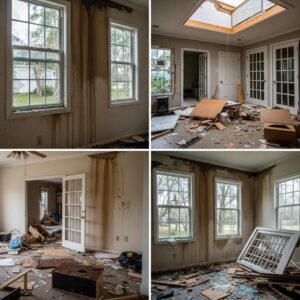
Structural wood begins losing integrity around day three or four. Subfloors soften and warp. Drywall becomes fragile and loses its fire-rating properties. Even “dry-looking” areas harbor moisture deep within cavities where it promotes wood rot and pest infestations. Termites and carpenter ants are attracted to water-damaged wood and can establish colonies within weeks.
Mold becomes an expensive problem fast. We’ve encountered situations where a modest water event ballooned into major mold remediation spanning thousands of square feet because extraction waited too long. Once mold spores colonize, remediation costs jump dramatically, and the health risks intensify for anyone with respiratory sensitivities.
Insurance claims also complicate when extraction is delayed. Your policy typically covers water damage caused by sudden events like storms or burst pipes. However, insurers scrutinize situations where property damage was preventable through timely action. Documentation showing we were called immediately strengthens your claim position. Delays raise red flags.
Hidden moisture creates long-term problems invisible to the eye. A wall cavity with 70 percent moisture content might look dry on the surface but harbor dampness that supports mold growth for months. Without professional moisture mapping, you won’t know these danger zones exist. We’ve found moisture pockets in attics and crawlspaces years after property owners thought water was gone.
Actionable Step: Document the water event with photos and timestamps before cleanup begins. Note what time you discovered the water and when you called for emergency extraction. This timeline becomes valuable evidence for your insurance claim.
Our 24/7 Emergency Response Protocol
When you reach us, you’re speaking with someone trained to assess your situation accurately over the phone. We ask specific questions about water source, affected square footage, and whether electrical systems are at risk. This information helps us dispatch the right crew size and equipment.
Our crews arrive with extraction equipment, moisture detection tools, and personal protective gear already loaded. We don’t need to stop for supplies or make secondary trips. Each truck carries what’s needed for immediate water removal on residential and commercial jobs.
The first priority is safety assessment. We check for electrical hazards, identify contaminated water sources, and ensure the property is safe for our team and yours. In some cases, we recommend temporary relocation until specific areas are deemed safe.
Next comes extraction itself. We position submersible pumps for large standing water volumes and use truck-mounted extraction systems for carpet, hardwoods, and wall cavities. This two-pronged approach removes both pooled water and moisture absorbed into materials.
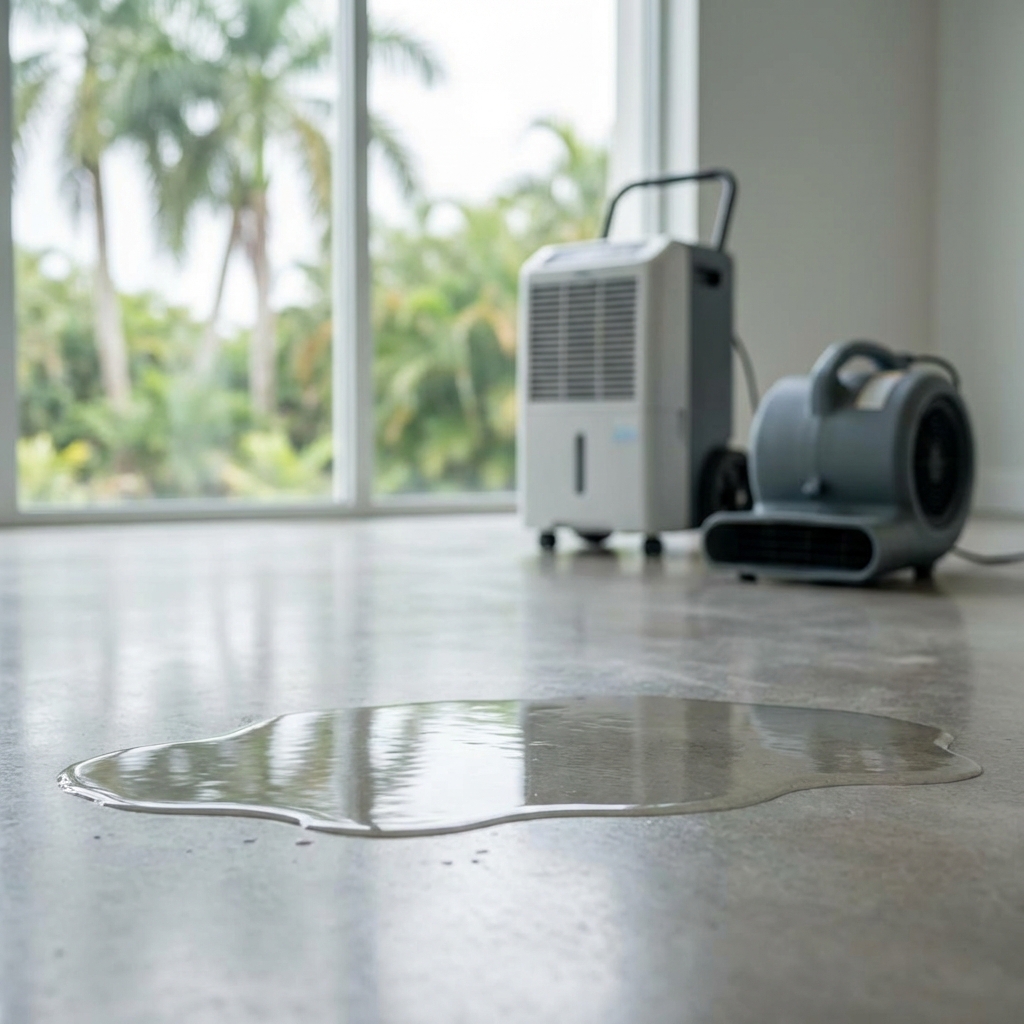
Throughout extraction, we document moisture levels with handheld meters and thermal imaging. This data becomes your record of what was found, when it was found, and how we addressed it. Insurance adjusters rely on this documentation.
Our crews work methodically but quickly. We’re not rushing; we’re working efficiently because every hour reduces secondary damage risk. A typical residential extraction job takes 4 to 8 hours depending on volume and affected area. Commercial jobs scale accordingly.
Actionable Step: When you call our emergency line, have ready the building address, a description of the water source, whether anyone is in the building, and your insurance provider name. These details allow us to respond with exactly what you need.
Professional Water Extraction Equipment We Deploy
Standing water removal requires different equipment depending on water volume, location, and whether we’re removing water from open spaces or extracting from building materials.
Submersible pumps handle large volumes efficiently. We position these in the deepest pooling areas, connected to discharge hoses that safely channel water away from the property. For residential homes with flooded basements or first floors, a single submersible pump can remove hundreds of gallons per hour. We monitor discharge to prevent overwhelming nearby drainage systems.
Truck-mounted extraction systems are the workhorses of our operation. These units use powerful suction to pull water from carpets, padding, and soft materials. We position the extraction wand over affected areas, apply controlled suction, and remove absorbed moisture that free-standing removal misses. Truck-mounted systems operate continuously, so we can cover large properties in reasonable timeframes.
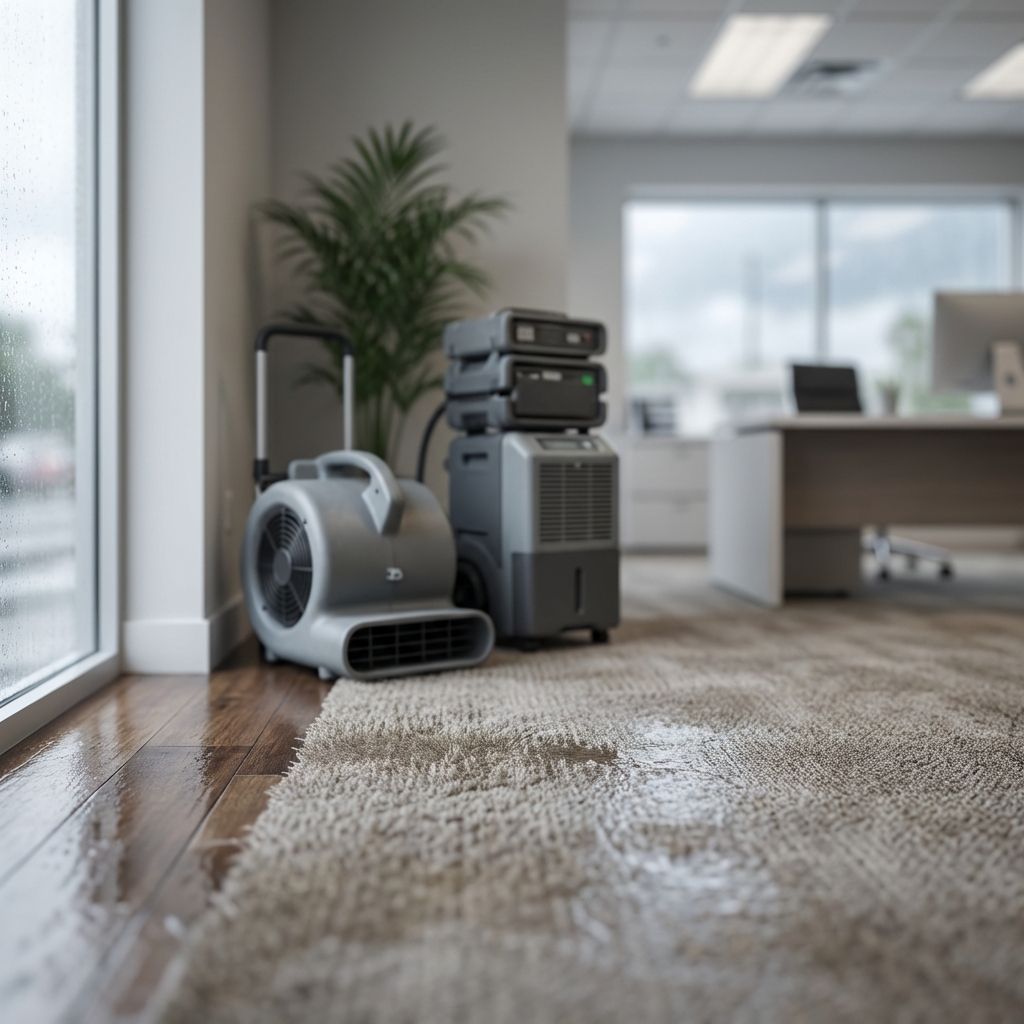
Dehumidifiers and air movers follow extraction. High-capacity dehumidifiers remove moisture from air and materials. We use commercial-grade units rated for the square footage we’re drying, not consumer-grade models that address symptom rather than cause. Air movers create circulation patterns that accelerate evaporation from surfaces and subsurfaces.
Moisture detection equipment guides every decision we make. Handheld moisture meters tell us exactly where moisture persists in walls, ceilings, and flooring. Thermal imaging identifies cold spots that indicate moisture concentration. We use these tools to prevent false confidence that drying is complete.
Containment equipment protects unaffected areas during extraction. Negative air units and sealed barriers prevent contaminated water mist from spreading during truck-mounted extraction. In mold prevention situations, we set up containment systems that isolate affected zones.
Our equipment inventory is substantial because different scenarios demand different solutions. A crawlspace extraction differs from a multi-story commercial flooding. We size crew and equipment to match the actual situation rather than sending generic crews.
Actionable Step: When we arrive, ask us to show you the moisture readings and explain where we’re focusing extraction efforts. Understanding the data builds confidence that we’re addressing the real problem, not just visible water.
Structural Drying and Moisture Assessment Process
Extraction removes water, but drying removes moisture that extraction can’t reach. Moisture in framing lumber, drywall, concrete, and insulation must evaporate completely, or structural problems develop.
Our drying process is methodical and data-driven. We establish a drying plan based on building construction type, affected materials, and environmental conditions. A wood-frame home with plaster walls requires different drying strategies than a concrete-block commercial building.
Dehumidifiers pull moisture from air and building materials simultaneously. In humidity-saturated spaces, the air itself holds so much moisture that normal evaporation stalls. Our commercial dehumidifiers actively extract this moisture, creating conditions where trapped moisture in materials can continue evaporating.
Air movers establish patterns that prevent stagnant zones. Dead-air pockets allow moisture to remain trapped. Strategically positioned fans create cross-ventilation that encourages continuous evaporation. We adjust fan placement daily as drying progresses and moisture concentrations shift.
Structural drying typically requires 5 to 10 days for residential properties and longer for commercial buildings with greater mass. We monitor progress with daily moisture meter readings. When readings stabilize at baseline levels, we know drying is complete.
Moisture assessment isn’t a one-time event. We conduct initial readings during extraction, ongoing readings every 24 to 48 hours during drying, and final readings confirming structural moisture has returned to normal ranges. This documentation prevents surprises weeks later when mold appears from moisture we missed.
Some materials require removal and disposal. Insulation exposed to water typically cannot be saved and must be replaced. Severely damaged drywall often requires removal and replacement. We identify these needs early so you understand replacement costs within the first day.
Actionable Step: Request a moisture map showing where we’re finding elevated moisture levels. Ask us to explain the drying timeline and what readings we expect to see each day. This transparency helps you understand progress rather than wondering if drying is actually working.
Mold Prevention During the Extraction Phase
Mold prevention begins during extraction, not after drying is complete. The conditions we create during the first hours directly impact whether mold colonies establish.
Temperature control is our first lever. Mold growth accelerates between 68 and 86 degrees Fahrenheit in humid conditions. If property temperature can be elevated during drying, we recommend raising it to 80 to 85 degrees. This speeds evaporation and makes the environment less favorable for mold spores.
Humidity control is equally critical. We aggressively dehumidify from day one. In our humid Palm Beach climate, this means running high-capacity commercial dehumidifiers continuously. Consumer-grade dehumidifiers are overwhelmed by the moisture load and become ineffective quickly.
We apply antimicrobial treatments to affected materials during extraction rather than waiting until mold appears. These treatments inhibit microbial growth on hard surfaces, structural wood, and porous materials. We’re not sterilizing the property; we’re applying preventive treatments that work alongside our drying process.
Ventilation during drying matters significantly. We open windows and doors when outdoor humidity is lower than indoor humidity, creating natural air exchange. In humid conditions typical of Palm Beach summers, this requires careful timing. We monitor outdoor humidity and adjust ventilation windows accordingly.
Contaminated water from sewage backups or storm surge requires more aggressive antimicrobial protocols. We apply EPA-approved disinfectants to all affected surfaces, not just visible water damage areas. These situations demand additional treatment rigor.
Throughout the extraction and drying process, we visually inspect areas for any mold growth. Early detection matters because removing mold in its first few days is far simpler than addressing established colonies. If we spot even minor growth, we address it immediately rather than waiting.
Actionable Step: Ask us to explain what antimicrobial treatments we’re applying and why. Understand the temperature and humidity targets we’re establishing for your specific property. This knowledge helps you know if our drying environment is set correctly.
Insurance Documentation and Claims Support
Insurance claims require detailed documentation of damage, the date it occurred, and the steps taken to mitigate losses. We provide the documentation insurers expect because we handle these claims constantly.
Our initial assessment creates a comprehensive report including date and time of our arrival, water source description, affected areas with square footage, photographic evidence, and initial moisture readings. This report becomes the foundation of your claim.
As we extract and dry, we maintain ongoing documentation. Daily moisture readings show progress toward dry conditions. Photographs document extraction activity and drying setup. Equipment logs show equipment type, capacity, and operational duration. Insurers review this documentation to verify that mitigation was prompt and appropriate.
We identify materials requiring replacement and document why removal is necessary. Severely damaged drywall, saturated insulation, and compromised flooring are photographed and noted in our reports. This documentation supports replacement claims rather than leaving you to justify these costs to your adjuster later.
When mold treatment or remediation becomes necessary, our documentation clearly links mold discovery to the water event date. This chain of causation is critical for insurance purposes because it proves the mold resulted from the covered event rather than pre-existing conditions.
We coordinate with insurance adjusters directly. Our crews can meet adjusters on-site to walk them through damage, explain our extraction approach, and review our documentation. This collaboration strengthens claims and prevents misunderstandings about scope or methodology.
Many property owners are unfamiliar with insurance claim processes. We explain what documentation insurers require, why our approach aligns with their expectations, and how to present claims for maximum coverage. We’ve supported hundreds of claims and understand the details that adjusters scrutinize.

Actionable Step: Provide us with your insurance information during the initial call. We’ll contact your insurer to notify them of the loss and our response, often initiating the claim process before you have time to navigate it yourself.
Restoring Your Property After Water Removal
Once standing water is extracted and structural drying is complete, we transition to restoration. This phase returns your property to pre-loss condition.
Flooring restoration depends on material and water exposure duration. Hardwood flooring that received water for less than 24 hours sometimes can be saved through professional drying and refinishing. Flooring exposed longer typically requires removal and replacement. Tile flooring usually survives water events if substrate damage is minimal. Carpet almost always requires replacement because padding absorbs water and cannot be effectively dried.
Drywall restoration involves replacing water-damaged sections. Drywall exposed to water more than a few inches up from the floor typically shows permanent damage and must be removed. We identify the damage height, remove affected drywall, and install new material. Painting is the final step.
Insulation in exterior walls and ceilings usually cannot be saved and requires replacement. We remove saturated insulation and install new material matching original specifications. In some cases, we upgrade to moisture-resistant insulation options that resist future water damage.
Cabinetry and built-ins require assessment case by case. Solid wood cabinetry sometimes can be dried and refinished. Particleboard cabinetry typically swells irreversibly and requires replacement. We evaluate each piece and explain restoration versus replacement decisions.
HVAC systems exposed to water need cleaning and potentially replacement of components. Ductwork can harbor moisture and mold if not properly addressed. We coordinate HVAC service specialists to ensure systems are restored safely.
We coordinate with general contractors and specialized trades as needed. For larger restorations, we manage the sequence of work so trades don’t interfere with each other and work progresses efficiently.
Actionable Step: Request detailed scope-of-work documentation showing what’s being removed, what’s being restored, and what’s being replaced, with reasons for each decision. This transparency prevents surprises and ensures you understand the restoration investment.
How Our Services Protect Your Investment
Your property represents years of financial commitment and personal memories. Water damage threatens both simultaneously. Our extraction and restoration services protect your investment through speed, expertise, and documentation.
Speed matters because secondary damage multiplies exponentially in the first hours and days. Mold colonies establish within 24 to 48 hours in our humid climate. Structural wood begins deteriorating after several days. We interrupt this damage progression through immediate response and aggressive extraction.
Our expertise comes from handling thousands of water events across Palm Beach County. We recognize damage patterns that property owners and general contractors miss. We know which materials can be salvaged and which must be replaced. We understand insurance expectations and document accordingly.
Water extraction specialists on our team are trained in assessment, extraction, drying, and restoration protocols. Continuing education keeps us current with new techniques and equipment. We’re not generalists; we specialize in water damage mitigation.
Documentation we provide demonstrates that you responded appropriately to the loss. Insurance companies honor claims from property owners who took immediate mitigation action. Delays and inadequate response invite claim denials or reduced coverage. Our involvement and documentation protect your claim.
Cost control is another protection aspect. Rapid extraction and proper drying prevent secondary damage that multiplies costs. A $5,000 water event can become a $50,000 mold remediation if extraction is delayed. We prevent this cost escalation through speed and preventive measures.
Your peace of mind during chaos has value too. Discovering water damage is stressful. Navigating extraction, drying, restoration, and insurance claims is overwhelming. We handle the technical details so you can focus on your family or business continuity. Having experts manage the situation reduces stress and prevents mistakes made under pressure.
Actionable Step: Save our emergency number in your phone now: we’re available 24/7 for water damage emergencies throughout Palm Beach County. When water damage strikes, you’ll need immediate response more than you’ll need advice.
Standing water in your Palm Beach property demands action within hours, not days. The longer water sits, the more extensive secondary damage becomes. We’re equipped and trained to extract standing water immediately, dry your property thoroughly, prevent mold growth, and support your insurance claim. When you discover water damage, we’re ready to respond immediately and protect what you’ve built.