Why Wellington Townhouses Face Unique Mold Challenges
Wellington’s tropical climate makes townhouse communities particularly susceptible to mold growth. If you own a townhouse in this area, understanding the specific mold challenges your property faces is essential to protecting both your investment and your family’s health. We’ve spent years helping Wellington residents tackle mold issues that develop differently in shared-wall structures compared to single-family homes. Here’s what you need to know and how we can help.
Townhouses in Wellington present distinct mold vulnerabilities that single-family homes often avoid. These properties feature shared walls with neighboring units, which means moisture problems in one home can migrate through connecting structures. When a neighbor’s HVAC leak or plumbing issue goes unnoticed, mold spores travel easily across shared walls and into your space.
The layout of most Wellington townhouses also concentrates moisture in specific areas. Bathrooms and laundry rooms in attached units back directly against yours, creating ideal conditions for fungal growth. Combined with South Florida’s year-round humidity (often exceeding 70%), you’re fighting an uphill battle against environmental factors alone.
Attic spaces in townhouse complexes are another critical problem area. Multiple units share roof sections, and when one unit’s attic lacks proper ventilation, the entire connected structure suffers. We’ve discovered mold blooming in attics throughout Wellington complexes because the source originated two or three units away, traveling through common structural cavities.
Unlike homeowners with isolated properties, you can’t simply address your unit’s moisture control and call it solved. Coordinating with your HOA and neighboring property owners becomes necessary when mold crosses boundaries. This complexity is why professional assessment matters so much in townhouse settings.
What to do next: Schedule a professional inspection to establish whether any active moisture is entering your walls or attic. Don’t wait for visible signs.
The Health and Property Risks of Untreated Mold Growth
Mold doesn’t just sit quietly in a corner of your townhouse. It actively produces spores and mycotoxins that circulate through your indoor air, affecting everyone who lives in or visits your home. We’ve worked with Wellington residents who delayed addressing mold and ended up dealing with respiratory issues that took months to resolve after remediation.
Common health effects from household mold exposure include:
- Persistent coughing and wheezing
- Nasal congestion and sinus problems
- Itchy eyes and skin irritation
- Asthma attacks in people with pre-existing conditions
- Immune system complications in vulnerable populations
Children and elderly family members face heightened risk. People with asthma, allergies, or weakened immune systems experience symptoms within days of exposure. The problem intensifies in townhouses because shared ventilation systems can distribute mold spores across multiple units simultaneously.
Beyond health concerns, untreated mold causes severe structural damage. Mold consumes the cellulose in wood framing, drywall, and insulation. In townhouses, this deterioration affects shared walls and roof sections, creating liability issues with your neighbors and potential legal disputes. We’ve seen mold damage that reduced property values by 15-20% when the infestation went unaddressed for several years.
Insurance claims become complicated when mold has been present long-term. Most homeowner and condo policies exclude coverage for mold resulting from negligence or lack of maintenance. If your townhouse inspection reveals prolonged mold growth, your claim may be denied entirely.
What to do next: Have a professional test your indoor air quality if anyone in your household has unexplained respiratory symptoms. Early detection prevents health deterioration and protects your insurance coverage.
What Sets Professional Mold Remediation Apart from DIY Solutions
Attempting mold removal yourself feels economical until you realize you’re likely spreading spores throughout your townhouse rather than eliminating them. Home remedies like vinegar or bleach solutions kill surface mold but don’t address the root moisture problem or hidden colonies growing behind walls and in attic cavities.
Here’s where DIY efforts fail consistently:
- Incomplete contamination removal: Surface cleaning misses mold colonies embedded in insulation, drywall, and wood framing. You see the cleaned area and assume the problem is solved, but active growth continues hidden.
- No moisture control: Without identifying and fixing the water intrusion source, mold returns within weeks of any surface cleaning.
- Inadequate containment: Professional remediation requires isolation barriers and negative pressure systems to prevent spore migration during removal. DIY work disperses mold throughout your home.
- Poor air quality management: Professionals use HEPA filtration and air scrubbing equipment. DIY approaches leave spore counts dangerous for weeks after “cleaning.”
- Structural assessment gaps: Professionals determine whether affected materials can be salvaged or must be removed and replaced. Homeowners often underestimate damage severity.
We approach mold remediation as a complete system: test, locate, isolate, remove, dry, verify. This methodology works specifically because it addresses every phase, not just the visible contamination. In townhouses, this thorough approach also prevents cross-contamination to shared structures and neighboring units.
Professional remediation protects your insurance claim, too. Documentation from licensed experts carries weight that DIY efforts never will. When insurers review claims, they want evidence that a certified professional managed the work according to industry standards.
What to do next: If you’ve already attempted DIY mold cleaning, contact us for a professional assessment to verify whether hidden mold still exists in your townhouse.
Our Comprehensive Testing and Assessment Process
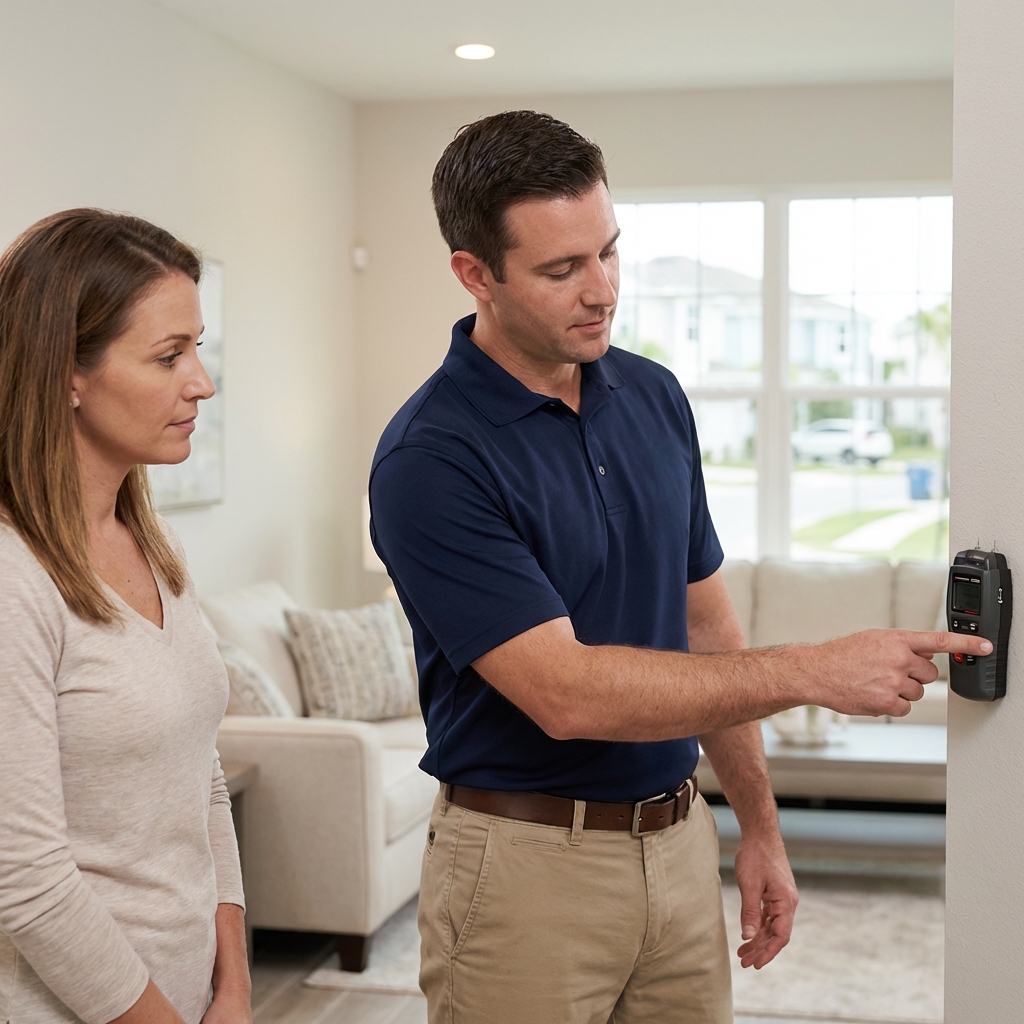
We don’t make assumptions about mold in your Wellington townhouse. Our assessment process uses validated testing methods to identify active mold, quantify spore levels, and pinpoint moisture sources before remediation begins.
Our testing starts with a visual inspection. We examine obvious problem areas (bathrooms, attics, crawl spaces) and look for less obvious signs: water stains, discoloration, peeling paint, soft wood areas, and musty odors. In townhouses, we pay special attention to shared walls, common roof sections, and areas where plumbing from neighboring units passes through your structure.
Air quality testing follows the visual inspection. We collect samples using AIHA-accredited methodology and send them to certified laboratories for analysis. This tells us whether mold spores in your indoor air exceed normal levels and identifies the specific mold species present. Species identification matters because some molds (like Stachybotrys) present greater health risks than others.
We also collect surface samples from suspected mold areas. These samples confirm the presence of mold and identify which species are colonizing your property. This data guides our remediation approach and helps us predict whether mold will return in specific locations without proper moisture control.
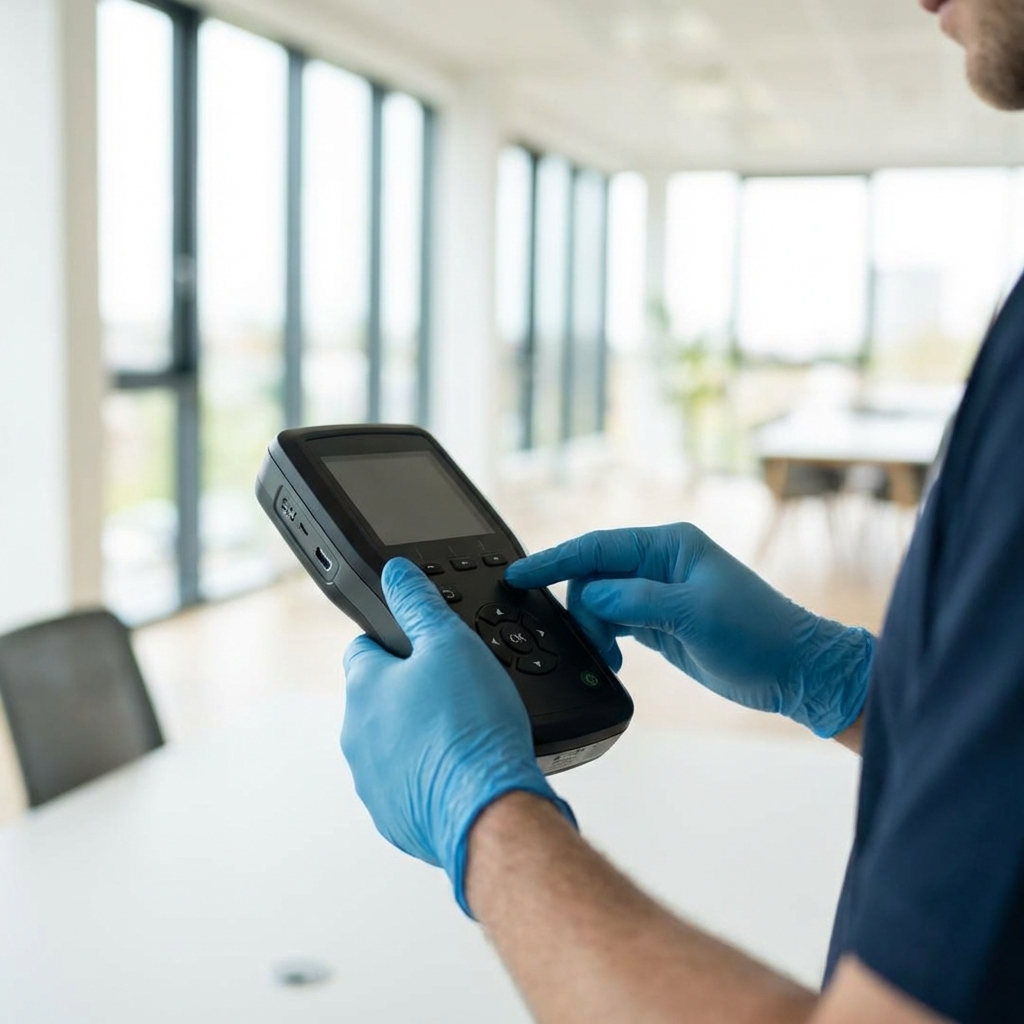
Moisture mapping is critical in townhouse assessment. We use moisture meters and thermal imaging to reveal water intrusion patterns invisible to the naked eye. In shared-wall structures, this often reveals moisture traveling from a neighbor’s unit or from the common roof cavity.
Our assessment concludes with a detailed written report including:
- All test results with lab documentation
- Identified mold species and contamination levels
- Moisture source locations and causes
- Remediation recommendations with estimated timeline
- Insurance claim documentation package
- Prevention strategies specific to your townhouse layout
This comprehensive foundation means our remediation team starts with complete information, not guesswork. We know exactly what we’re treating and why.
What to do next: Get a professional assessment scheduled if you’re uncertain whether mold actually exists in your townhouse or if a previous remediation was complete.
Advanced Remediation Techniques We Use for Townhouse Properties
Once testing identifies the problem, we deploy remediation techniques scaled to your specific situation. For townhouses, this means addressing not just your unit but considering how work impacts adjacent properties.
For contained mold in accessible areas, we use controlled removal with isolation barriers. We seal off the affected room with plastic sheeting and use negative air pressure systems to create a suction effect that pulls spore-laden air through HEPA filters instead of dispersing it throughout your home. This containment approach protects you, your neighbors, and our team.
Affected materials are removed carefully. We don’t simply throw contaminated drywall, insulation, and framing into a dumpster where spores escape. Everything goes into sealed bags and properly disposed according to environmental regulations.
For structural drying, we deploy commercial-grade dehumidifiers and air movers that reduce moisture to normal levels. In townhouses with shared attics, we ensure the entire connected cavity is dried to prevent mold from resurging in neighboring sections.
When contamination affects insulation (common in Wellington townhouse attics), we remove and replace it completely. Mold-damaged insulation loses effectiveness and cannot be salvaged safely. We use mold-resistant insulation materials during replacement.
For persistent moisture issues, we recommend targeted solutions:
- Installing humidity controls that maintain indoor levels below 50%
- Adding ventilation to shared attic spaces (coordinated with HOA)
- Sealing exterior wall penetrations where water enters
- Improving bathroom and laundry exhaust systems
- Installing vapor barriers in attics or crawl spaces
- Repairing or replacing damaged roof sections
- Improving drainage around the townhouse foundation
After physical remediation, we apply antimicrobial treatments to surfaces that can’t be removed (wooden framing, concrete). These treatments prevent mold recolonization when conditions might otherwise allow regrowth.
What to do next: Ask us specifically about moisture control solutions for your townhouse’s layout; standard remediation alone won’t prevent mold return without addressing the water source.
How We Handle Insurance Claims and Documentation
Most Wellington townhouse owners want to know upfront whether their homeowner’s insurance will cover mold remediation. The answer depends on how the mold developed. Insurance typically covers sudden water damage (burst pipes, storm flooding) that results in mold. It rarely covers gradual moisture issues or mold resulting from poor maintenance.
We document everything professionally so your insurer has clear evidence of what happened and what we did to fix it. Our reports include:
- Detailed photographs of contamination before, during, and after remediation
- Lab results from mold and air quality testing
- Moisture meter readings and thermal imaging documentation
- Itemized remediation work with descriptions
- Material disposal records
- Moisture source identification
- Long-term prevention recommendations
We communicate directly with your insurance adjuster if you choose to file a claim. We explain our findings in language adjusters understand and provide supporting documentation that validates our work. This coordination often means the difference between claim approval and denial.
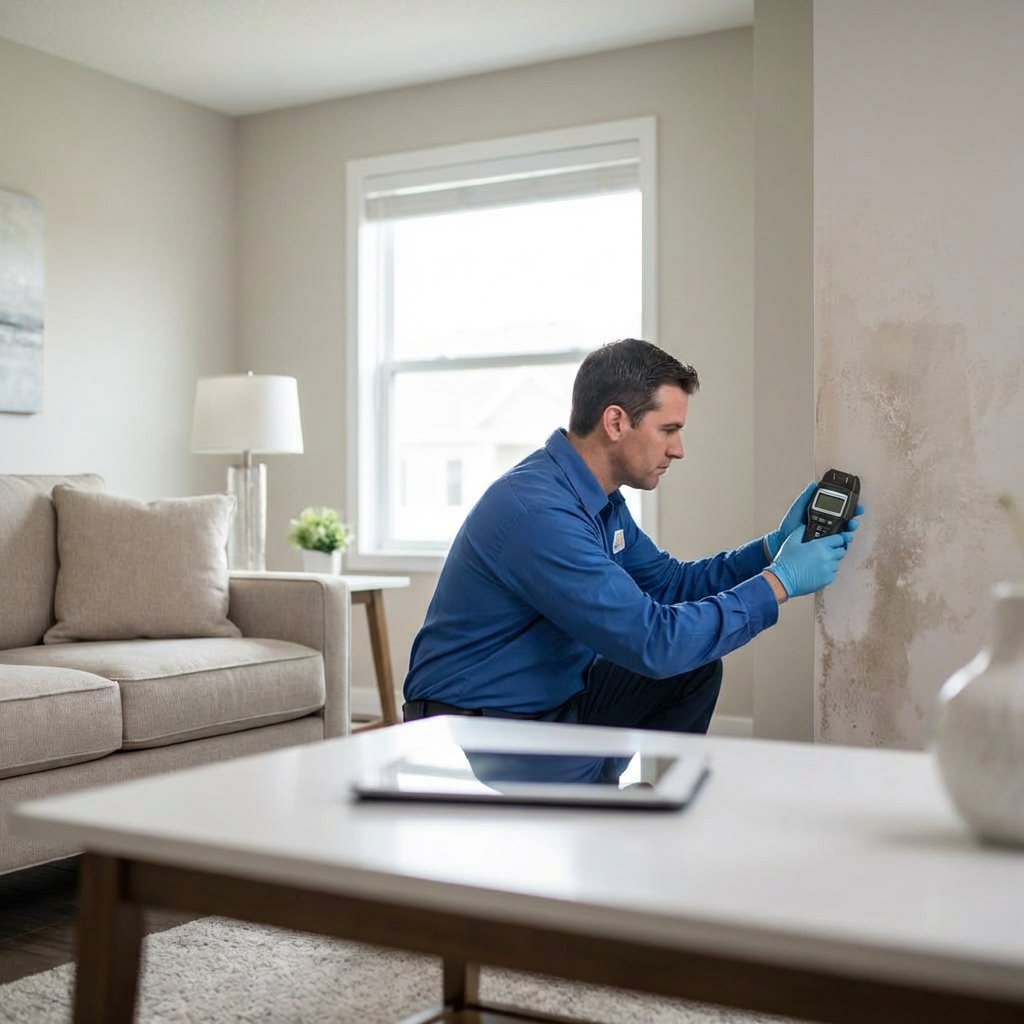
In cases where mold developed from recent water damage, your claim coverage is usually straightforward. When mold existed in shared townhouse structures for longer periods, documentation becomes even more critical because insurers scrutinize these situations carefully.
We also help you understand your policy language. Some policies specify coverage limits for mold remediation, excluding costs beyond a certain dollar amount. Others require specific permits or licensed professionals, which we hold. Knowing these details before remediation begins prevents expensive surprises later.
What to do next: Forward your insurance policy to us during your initial assessment so we can identify exactly what your coverage includes and set appropriate expectations for what you’ll pay out-of-pocket.
Why SuperClean Restoration Is Wellington’s Top Choice for Mold Solutions
We’ve built our reputation in Wellington by handling the specific mold challenges this community faces. Our team understands townhouse construction, shared wall moisture pathways, and common attic ventilation problems that plague Wellington complexes.
We’re available 24/7 for emergency response. When you discover active mold or water intrusion, you don’t schedule for business hours. We dispatch teams immediately to assess the situation, contain the problem, and begin mitigation before mold spreads further.
Our testing methods meet industry standards. We partner with AIHA-accredited laboratories and follow EPA guidelines for mold assessment. This means your test results carry credibility with insurance companies, HOA boards, and future property buyers.
We hold all required Florida licensing and certifications. We’re insured for liability and trained in current remediation best practices. Our team continuously updates training to stay current with emerging techniques and standards.
Our transparency sets us apart. We don’t quote inflated remediation costs to inflate profits. We provide detailed assessments explaining what needs to happen and why, then stick to realistic pricing. We also explain what your townhouse owner responsibilities are versus what might be HOA obligations.
In shared townhouse structures, we coordinate respectfully with neighbors and HOA management. We understand the politics of remediation in community properties and handle communication professionally, minimizing disruption to adjacent units.
We back our work with guarantees. If mold returns in areas we treated within one year, we retreat at no cost (assuming moisture sources remain controlled). This confidence stems from our methodology and attention to root causes, not just surface treatment.
We’ve restored comfort and safety for hundreds of Wellington families. We understand the anxiety of discovering mold, the health concerns it raises, and the property damage it threatens. We deliver solutions that actually solve the problem.
What to do next: Call us today for a consultation and assessment of your Wellington townhouse mold concerns. We’ll provide honest guidance about what you’re facing and the best path forward.
Comparison of Remediation Approaches and Their Effectiveness
Different mold situations benefit from different remediation strategies. Understanding these approaches helps you appreciate why our customized recommendations matter.
Localized surface cleaning works for small areas (less than 10 square feet) with surface-only contamination and no moisture issues. Effectiveness: temporary and incomplete without moisture control.
Containment and removal with HEPA filtration handles moderate contamination (10-100 square feet) affecting accessible materials. This is our standard approach for most townhouse situations. Effectiveness: excellent for active contamination, depending entirely on fixing the moisture source afterward.
Full structural drying with dehumidification becomes necessary after water intrusion events. This prevents mold from developing in damp materials. Effectiveness: highly effective when started immediately after water entry; effectiveness drops significantly if delayed beyond 24-48 hours.
Vapor barriers and moisture barriers prevent groundwater or humidity from entering structures. These are preventive rather than remedial. Effectiveness: essential for long-term mold prevention, especially in Wellington’s high-humidity climate.
Antimicrobial treatments inhibit mold growth on surfaces that can’t be removed. These work as supplementary protection, not primary remediation. Effectiveness: useful for preventing recolonization but useless without moisture control.
Air scrubbing and HEPA filtration during remediation ensures spore levels drop during and after work. Effectiveness: critical for protecting air quality and preventing cross-contamination.
The most effective remediation combines multiple approaches: identify and fix moisture sources, contain and remove affected materials, thoroughly dry the space, apply antimicrobial protection, and establish humidity controls. Approaches that skip any step typically result in mold returning within months.
We customize our strategy based on your specific contamination extent, moisture source, structural type, and whether the issue affects shared townhouse spaces. One-size-fits-all remediation fails in Wellington townhouses because each property presents unique moisture pathways and structural challenges.
What to do next: Request our detailed remediation plan; it should explain why we’re recommending specific techniques for your situation, not just listing services.
Selecting the Right Remediation Partner for Your Townhouse
Finding the right professional to handle Wellington townhouse mold remediation determines whether you solve the problem completely or deal with recurring issues for years. Several factors separate competent professionals from those who cut corners.
Licensing and certification matter. Your remediation contractor should hold Florida state licensing and certifications from recognized organizations like the American Institute of Inspectors or equivalent. Ask to verify credentials directly rather than trusting claims.
Testing methodology validates the assessment. If a company quotes remediation costs without performing air quality and surface testing, they’re guessing. Professional assessment precedes professional remediation.
Insurance and bonding protect you. Licensed contractors maintain liability insurance and bonds protecting you if something goes wrong. Unlicensed “mold guys” leave you personally liable for injuries or property damage.
Experience with townhouse structures matters. Companies experienced with single-family homes might not understand shared-wall moisture pathways or HOA coordination requirements. Ask specifically about townhouse projects they’ve completed.
Documentation practices indicate professionalism. A reputable contractor provides detailed written assessments, before-and-after photographs, lab reports, itemized invoices, and warranties. If a company offers only verbal estimates and vague descriptions, move on.
Communication and availability show they prioritize customer service. Mold emergencies often require rapid response. Companies answering phones 24/7 and providing clear timelines for service demonstrate commitment to customer needs.
Transparent pricing prevents surprises. Legitimate contractors explain what you’ll pay and why. They don’t pressure you into additional services or quote inflated costs. They also explain what your insurance might cover.
Warranties indicate confidence in their work. Companies guaranteeing their remediation for a specific period demonstrate faith in their methodology. One-year mold-free warranties are standard in professional remediation.
We meet every one of these standards. When you work with us, you’re partnering with professionals committed to completely solving your mold problem, not just temporarily hiding it.
What to do next: Interview at least two remediation companies and compare their testing methods, licensing status, and warranty offerings before deciding.
Our 24/7 Response and Quality Guarantees
We understand that water damage and mold don’t wait for business hours. That’s why we maintain 24/7 emergency response throughout Wellington and all of Palm Beach County. When you call, an actual team member answers immediately (not an answering service), assesses your situation, and coordinates emergency response if needed.
Our rapid response prevents mold from establishing itself in your townhouse. Every hour of delay after water intrusion increases mold risk exponentially. We typically arrive within one to two hours of your call, depending on location and current demand.
Our assessment happens immediately upon arrival. We don’t schedule follow-up appointments or make you wait days for testing. We determine what you’re facing, what immediate action prevents further damage, and what comprehensive remediation looks like.
For emergency water extraction and structural drying, we deploy specialized equipment designed to remove standing water and reduce moisture to safe levels quickly. In townhouses, this containment approach prevents moisture from traveling into adjacent units while drying is underway.
We stand behind our work with specific quality guarantees:
- Remediation guarantee: If mold returns in areas we treated within one year, we retreat at no cost (assuming moisture sources remain properly maintained).
- Air quality verification: We retest your indoor air quality after remediation to confirm mold spore levels have returned to normal. You get documentation proving the air is safe.
- Structural integrity: We verify that all contaminated materials were properly removed or treated and that structural integrity hasn’t been compromised.
- Insurance documentation: We provide comprehensive documentation supporting any insurance claims you file.
Our warranties extend beyond the initial remediation. We recommend specific maintenance practices and moisture controls that prevent problems from recurring. We’re available for follow-up consultation if you have concerns after remediation is complete.
Wellington townhouse owners choose us because we solve the problem completely. We’re not interested in quick fixes that create repeat business. We want you to move forward with confidence that your home is mold-free and protected against recurrence.
If you’re facing a mold challenge in your Wellington townhouse, don’t delay. The sooner you address the issue, the easier and less expensive the solution becomes. Contact us today for a professional assessment and immediate guidance on protecting your property and your family’s health.
For further reading: Mold remediation Palm Beach.