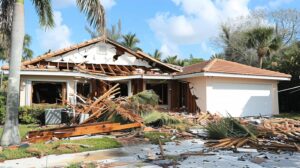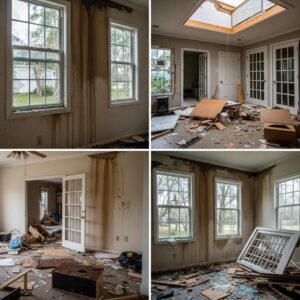
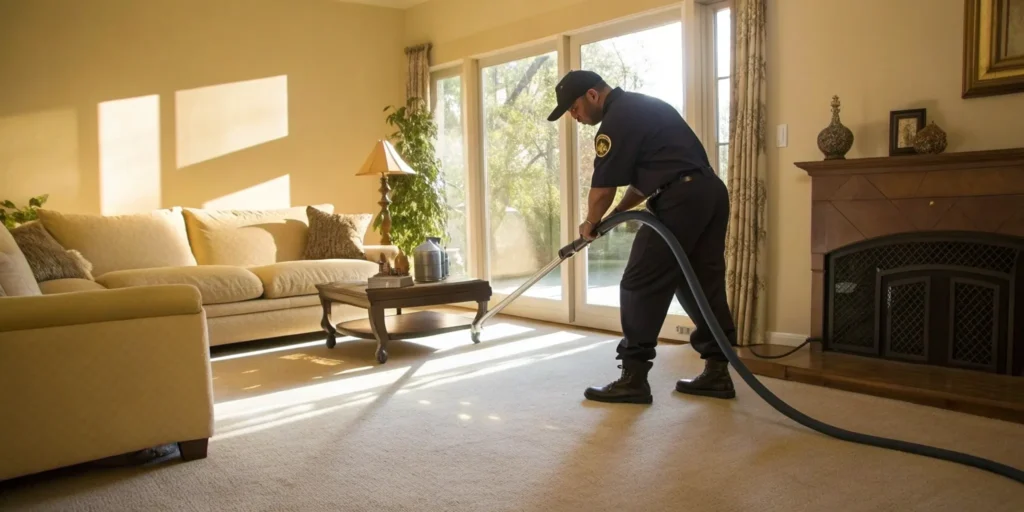
When water damage strikes, quick action can make all the difference. At SuperClean Restoration, we’ve seen firsthand the devastation that water can cause to homes and businesses in Palm Beach County. From structural damage to health risks associated with mold growth, the aftermath of flooding or leaks can be overwhelming. In this text, we’ll explore the vital processes of drying and dehumidification and why they are essential for effective water damage restoration. SuperClean Restoration offers a complete drying and dehumidification solution for water damage restoration.
Understanding these steps not only protects your property but also brings peace of mind during a challenging time. Dealing with water damage promptly is crucial to prevent mold growth, extensive structural damage, and costly repairs.
Understanding Water Damage
Water damage can occur in various forms, each requiring a different approach for effective restoration. Knowing its types and the immediate actions needed can help mitigate further issues.
The type and extent of water damage can affect the restoration process and drying time, as factors like the source of water, room size, and humidity level all play a role in how quickly and efficiently the area can be restored.
If not addressed quickly, long term water damage can lead to costly repairs and serious health risks.
Types Of Water Damage
Water damage typically falls into three categories based on contamination:
- Category 1: Clean water from sources like broken pipes or water leaks. This type is considered the least harmful.
- Category 2: Gray water that may contain contaminants, such as from washing machines. This requires additional treatment to ensure safety.
- Category 3: Black water, which is highly contaminated and poses serious health risks, originating from sources like sewer backups or flooding from storm surges.
Regardless of the category, identifying and removing water damaged items is a crucial step to prevent further deterioration and mold growth.
Assessing Water Damage
Assessing water damage is the essential first step in any effective drying process. Acting quickly and thoroughly at this stage is critical to prevent further damage, reduce repair costs, and protect the health and safety of everyone in the affected property. The goal is to identify the full extent of the water damage, determine the source of any water leaks, and evaluate how much excess water and moisture need to be removed.
A comprehensive assessment begins by locating the source of the water intrusion—whether it’s a burst pipe, roof leak, or flooding event. Next, it’s important to identify all affected areas, including visible standing water and less obvious spots where moisture may have seeped behind walls, under floors, or into building materials. Checking for water stains, warping, discoloration, and musty odors can help pinpoint hidden moisture and potential mold growth, which is a serious health hazard if left unchecked.
During this process, professionals will measure the humidity level in each room and use specialized equipment to detect moisture in the air and within structural materials. This information is crucial for selecting the right drying equipment, such as high-capacity dehumidifiers, heaters, or desiccant systems, to effectively remove moisture and restore normal humidity levels. Assessing the structural integrity of walls, floors, and ceilings is also essential, as excess moisture can compromise these elements and lead to costly repairs if not addressed promptly.
The assessment also takes into account the type of materials affected—whether it’s drywall, carpets, wood, or insulation—since each requires a tailored approach to drying and dehumidification. By accurately determining the scope of the damage, restoration professionals can extract water efficiently, prevent mold from forming, and ensure that the drying process covers every affected area.
Beyond the technical evaluation, it’s important to recognize the emotional and financial impact that water damage can have on property owners. Providing clear communication, support, and guidance throughout the assessment and restoration process helps ease stress and ensures that no detail is overlooked.
In summary, a thorough assessment is the foundation of successful water damage restoration. By quickly identifying the source and extent of the damage, using the right drying equipment, and monitoring humidity levels, you can remove excess moisture, prevent mold growth, and restore your property’s safety and value—while minimizing both the cost and disruption of repairs.
Immediate Steps To Take After Water Damage
As soon as you notice water damage, it’s crucial to act quickly:
- Shut Off the Water Supply: If it’s safe, turn off the main water supply to prevent further flooding.
- Remove Standing Water: Use a pump or wet vacuums for water extraction to get rid of as much water as possible within the first 24 hours. The quicker you respond, the better chance you have of minimizing damage and mitigating mold risks. Prompt water extraction and ridding your space of wet drywall, insulation, and other materials can save money by preventing further structural damage and costly repairs.
- Document Damage: Take photographs and make notes for your insurance claims. This documentation will be essential for potential claims and future reference.
- Contact Professionals: If the damage is severe, reach out to us at SuperClean Restoration to ensure specialized assistance. Professional help can save both your property and money in the long run.
The Importance Of Drying And Dehumidification
After the initial cleanup, drying and dehumidification processes are crucial to fully restore your property and prevent further damage. A combination of drying techniques and dehumidifying equipment is often used to control the environment—managing humidity, temperature, and airflow—to ensure thorough moisture removal and effective restoration.
How Excess Moisture Affects Properties
Moisture can wreak havoc on building materials. Wooden structures may warp or rot, drywall may crumble, and carpets can become irreparably damaged. Prolonged exposure to moisture can even lead to electrical hazards due to compromised wiring, posing safety risks to occupants.
The Risks Of Mold Growth
Mold spores thrive in damp environments, often appearing within 24-48 hours after water exposure. Mold can form quickly if water damage is not addressed. If moisture isn’t effectively managed, molds can rapidly grow, creating not only a structural problem but also serious health risks for residents. If left unchecked, mold can spread rapidly throughout the property, increasing the risk of health and structural issues. Breathing in mold spores can lead to allergies, respiratory issues, and other health concerns. This highlights the necessity of thorough drying and dehumidification to safeguard your health and home.
The Drying Process Explained
Our drying process follows a systematic and professional approach to ensure complete moisture removal.
Tools And Techniques For Effective Drying
Some of the specialized equipment we use includes:
- Wet vacuum extractors: For the quick removal of standing water.
- Air movers: High-powered fans that circulate air across surfaces, speeding up evaporation. Some air movers are compact, making them ideal for use in tight spaces or integrated into larger material handling systems.
- Dehumidifiers: Devices that remove moisture from the air, crucial for preventing mold proliferation. Compact dehumidifiers are especially useful in confined areas.
- Moisture meters: To track progress and ensure all affected areas are fully dried.
- Heaters: To maintain optimal temperatures, enhancing drying efficiency.
It’s also important to ensure that painted surfaces are thoroughly dried after water damage to prevent paint from peeling or blistering.
Using both condensation and desiccant dehumidifiers ensures effective moisture control, with choices based on environmental conditions and the severity of the damage.
Professional vs. DIY Drying Methods
While attempting DIY methods with fans and typical dehumidifiers may seem feasible for minor spills, they often lack the effectiveness of professional-grade equipment. Professionals not only have access to superior technology but also apply techniques backed by rigorous standards. Engaging experts ensures that the restoration process meets all necessary health and safety protocols.
If you choose to try DIY drying, here are a few tips: ensure proper ventilation by opening windows and using multiple fans, monitor moisture levels with a moisture meter, and act quickly to prevent mold growth.
When To Call A Professional Restoration Service
Understanding when to seek professional help is crucial in effectively managing water damage. Professionals will often cover or enclose affected areas to prevent further contamination and aid the drying process.
Choosing The Right Restoration Company
When selecting a restoration partner, consider factors like certification, experience, and client reviews. At SuperClean Restoration, we are committed to upholding industry standards and providing comprehensive documentation throughout the restoration process.
Questions To Ask Before Hiring
Here are some important questions to guide your decision:
- What certifications and licenses do you have?
- How do you comply with IICRC S-500 standards?
- What specific equipment will you use for restoration?
- How long will the entire process take?
- Can you provide monitoring procedures and post-restoration documentation?
Having the right professional team not only alleviates stress but also guarantees a thorough and efficient restoration process.
Water damage is not just about visible destruction: it requires a dedicated and skilled approach to restore your home safely. At SuperClean Restoration, we understand the urgency involved in handling such incidents. Our commitment to using advanced drying and dehumidification techniques ensures your property returns to its pre-damage state effectively. By choosing professional help, you not only protect your property but also your peace of mind. Don’t hesitate to contact us for any water damage emergencies, your trust in us is paramount.
Frequently Asked Questions
What should I do immediately after experiencing water damage?
Immediately shut off the water supply, remove standing water with pumps or vacuums, document the damage for insurance, and contact professional restoration services if needed to assess the situation.
Why is drying and dehumidification important after water damage?
Drying and dehumidification are vital to prevent further structural damage and mold growth, which can pose serious health risks within 24-48 hours of water exposure.
How can I tell if I need professional help for water damage?
If the water damage is extensive, or if you’re unsure about the safety and effectiveness of DIY methods, it’s best to contact professionals who use specialized equipment and have experience in restoration.
What types of water damage are there?
Water damage is classified into three categories: clean water (Category 1), gray water (Category 2), and black water (Category 3), each requiring different restoration approaches based on contamination levels.
Can I use a regular dehumidifier for water damage effects?
While a standard dehumidifier may help with minor spills, professional-grade dehumidifiers are more effective for serious water damage due to their higher capacity and efficiency in reducing indoor moisture levels.
How long does the drying process take after water damage?
The duration of the drying process depends on the extent of water damage, but thorough drying usually takes from several hours to a few days, depending on environmental conditions and the techniques used.