Mold Remediation Services in Wellington, FL
Certified mold inspection, testing, containment, and removal for homes and businesses
SuperClean Restoration of the Palm Beaches LLC provides certified mold remediation services in Wellington, FL and throughout Palm Beach County. Mold events in South Florida move faster than in almost any other climate in the country. High ambient humidity, post-storm moisture, and HVAC condensation create conditions where mold colonizes wall cavities, subfloors, and ceiling materials within 24 to 48 hours of a water event. We follow the IICRC S520 standard for mold remediation on every job: inspection, air and surface testing, containment, HEPA filtration, removal, antimicrobial treatment, and post-remediation certification
- Certified Mold Remediation Process (IICRC S520 Standard)
- 24/7 Emergency Response Across Palm Beach County
- Air and Surface Testing Included
Looking For Mold Remediation Near Me in Wellington, FL?
About SuperClean Restoration of the Palm Beaches
We are a locally owned, independent operation, not a franchise. Our certified technicians handle every mold job directly, from initial moisture mapping through post-remediation air quality clearance. We do not consider a mold job closed until clearance testing confirms spore counts are within acceptable limits.
Mold Remediation, Testing, and Removal Services in Palm Beach County
Each mold event requires a different approach depending on the type of mold, the extent of growth, and the moisture source. We handle every stage of the mold process under one team.
Mold Inspection
Every mold job begins with a full moisture and mold inspection before any work starts. We use FLIR thermal imaging cameras to locate hidden moisture in walls, ceilings, and subfloors. Moisture mapping identifies every active moisture source contributing to mold growth, including slow leaks and HVAC condensation that are not visible from the surface. A complete pre-remediation inspection is the foundation of an effective removal plan.
Mold Testing
Air and surface mold testing determines the type and concentration of mold present in your property. We collect air samples at multiple points throughout the affected area and surface swabs from visible growth. Lab results identify the specific mold species and spore concentrations, which guides the remediation protocol. Post-remediation clearance testing confirms that spore levels have returned to acceptable limits before the job is certified closed. We also provide mold testing for properties showing symptoms of air quality problems with no visible mold.
Mold Removal
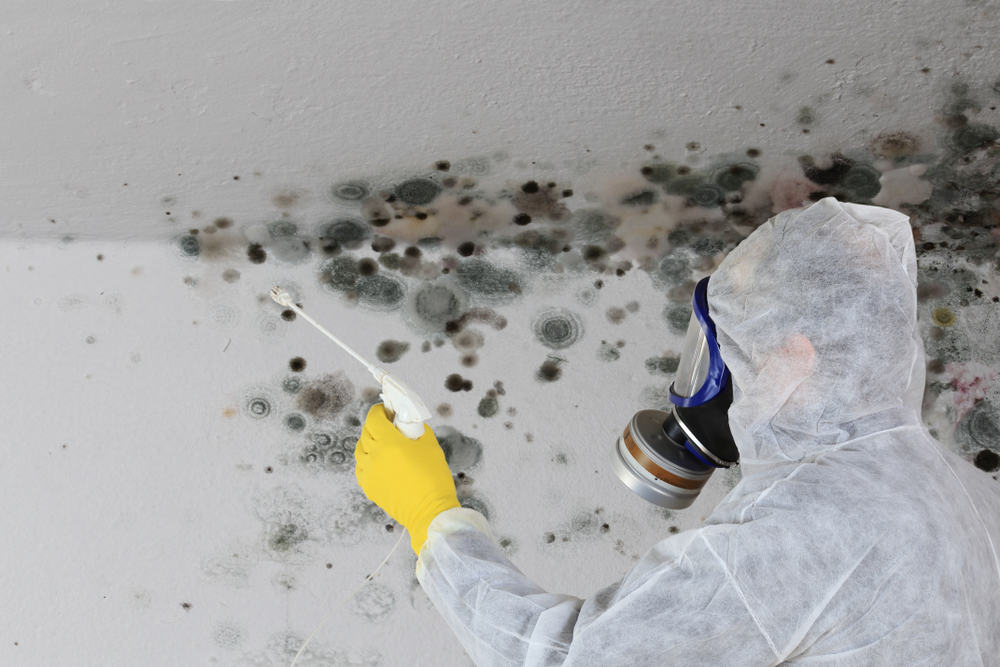
Mold removal is the physical elimination of mold-affected materials and spores from your property. Our certified crew establishes containment barriers to prevent cross-contamination, then removes compromised drywall, insulation, framing, and other porous materials that cannot be safely cleaned. Non-porous surfaces are treated with EPA-registered antimicrobials. HEPA-filtered negative air machines run throughout the removal process to capture airborne spores and prevent spread to unaffected areas.
Mold Cleaning and Remediation
After physical mold removal, all remaining surfaces in the affected area undergo a multi-stage cleaning and antimicrobial treatment process. We apply EPA-registered antimicrobial agents to wall framing, subfloors, and structural surfaces that were exposed to mold or elevated moisture. Final HEPA vacuuming removes residual spores from surfaces and the air. This stage addresses what is left behind after visible mold material is removed, which is the step most incomplete mold jobs skip.
Expert Property Damage Restoration for a Safe Home
Health Risks of Mold Exposure in Palm Beach County Homes
Mold is not a maintenance issue. It is a health hazard. In Palm Beach County’s subtropical climate, mold species found in water-damaged homes include Stachybotrys chartarum, Aspergillus, Chaetomium, and other strains that produce mycotoxins — compounds that cause respiratory and neurological symptoms in exposed occupants. Health effects are not limited to people with pre-existing conditions.
- Respiratory problems including persistent cough, difficulty breathing, and chest tightness are among the most common complaints in mold-affected homes.
- Allergic reactions including chronic runny nose, sneezing, eye irritation, and skin rash occur in otherwise healthy adults exposed to elevated mold concentrations.
- Drywall that holds standing water becomes structurally weak and harbors mold growth behind the visible surface.
- Children, elderly residents, and immunocompromised individuals face higher risk from the same mold concentrations that cause mild symptoms in healthy adults.
- Structural damage compounds the health risk: mold colonization in wall framing, subfloor, and roof sheathing weakens load-bearing elements over time, and the damage is often not visible until significant structural compromise has occurred.
If you smell a musty odor, see visible discoloration, or have experienced a water event in the past 6 months, do not wait for visible mold growth to confirm you have a problem. Call SuperClean Restoration Of The Palm Beaches LLC at (844) 888-0837 for a mold inspection
Why Mold Grows So Fast in Wellington and Palm Beach County
Wellington, FL sits in one of the highest ambient humidity zones in the continental United States. Year-round relative humidity averages 70 to 80 percent, and the wet season running from June through October delivers concentrated rainfall that saturates building envelopes, landscaping grades, and outdoor-facing walls. When water from a burst pipe, appliance failure, roof leak, or hurricane intrusion reaches a wall cavity or subfloor in a Palm Beach County home, mold colonization can begin within 24 to 48 hours under these conditions, which is faster than virtually any climate outside of the Gulf Coast. HVAC systems compound the problem: condensation from cooling coils introduces consistent moisture into ductwork and air handlers throughout the year, even when no obvious water event has occurred. Properties in Wellington and surrounding Palm Beach County communities often have active mold growth well before any visible signs appear on interior surfaces. This is why mold testing and thermal imaging inspection are not optional steps at SuperClean Restoration — they are the foundation of every job.

Why DIY Mold Removal in South Florida Makes the Problem Worse
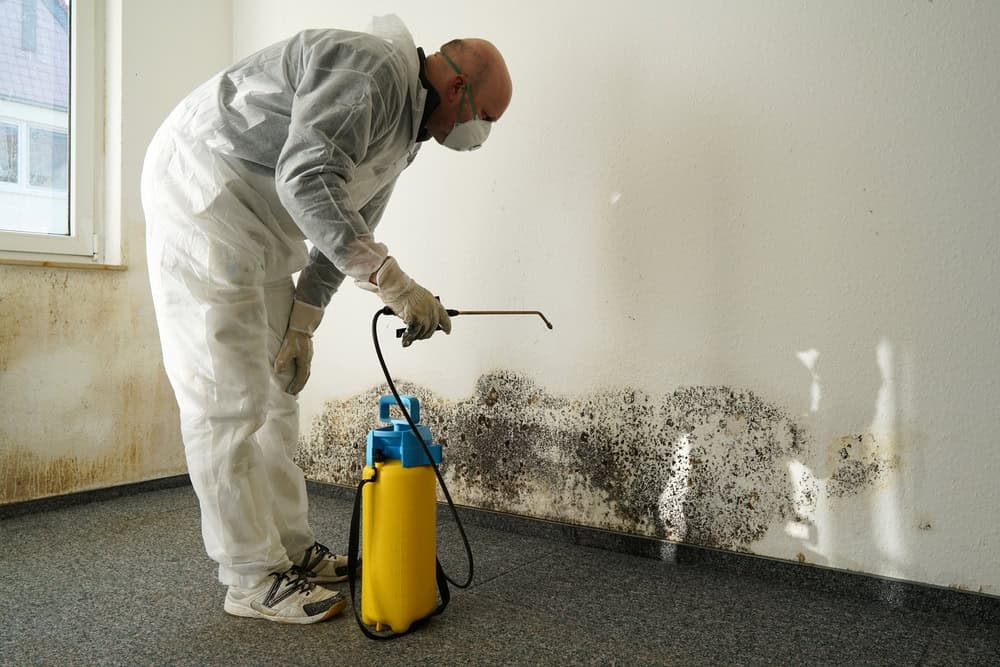
Bleach does not kill mold in porous materials. It kills surface spores on non-porous surfaces but does not penetrate into drywall paper, wood framing, or insulation where mold colonies are established. Spraying bleach on drywall discolors the surface while leaving the active mold growth behind the paper face untouched. This is the most common mistake in DIY mold attempts, and it results in mold returning, often more aggressively, within 30 to 90 days.
In Palm Beach County’s ambient humidity, disturbing a mold colony without containment and HEPA filtration spreads spores throughout the property. A contained mold problem in one bathroom becomes cross-contamination in the HVAC system and throughout the home within hours of uncontained removal work. The cost to remediate a spread event is 3 to 5 times the cost of the original contained job.
Professional mold remediation follows a documented protocol that produces a post-remediation clearance certificate. This document is often required by homebuyers, insurance adjusters, and lenders. DIY mold cleanup produces no documentation, which creates liability for sellers and can void insurance coverage for future mold-related claims in the same area.
Common Mold Types Found in Palm Beach County Homes
Mold testing identifies the specific species present in your property, which determines the remediation approach and containment level required. These are the mold types most commonly identified in South Florida homes.
| Mold Type | Appearance | Common Locations in FL Homes | Health Risk | DIY Safe? | Remediation Required |
|---|---|---|---|---|---|
| Black Mold (Stachybotrys chartarum) | Dark black or greenish-black, slimy patches | Behind drywall, under flooring, in wall cavities after water events | Very High | No | Full containment, professional removal, post-clearance testing mandatory |
| Aspergillus | Yellow, green, or white colonies, powdery texture | HVAC systems, ductwork, walls near air handlers | High | No | HEPA filtration, duct inspection, professional containment and removal |
| Cladosporium | Olive green to brown, velvety | Under sinks, behind toilets, carpet edges, window sills | Moderate | Limited | Source moisture fix required; professional testing recommended to rule out deeper growth |
| Penicillium | Blue or green with white edges, musty odor | Water-damaged wallboard, insulation, mattresses, upholstered furniture | Moderate | No | Removal of affected porous materials, antimicrobial treatment, air testing |
| Chaetomium | White then olive-gray then black as it matures | Water-damaged drywall paper, roof leaks, flooded areas | High | No | Full professional remediation; often found alongside Stachybotrys |
| Surface Mold (Early Stage) | White or gray powdery film | Bathroom grout, window sills, garage walls | Low to Moderate | Surface Only | Mold testing recommended to confirm it has not penetrated behind the surface |
Our Commitment to Certified Mold Remediation in Palm Beach County
Licensed and Insured in Florida
SuperClean Restoration carries full general liability and contractor insurance for all mold remediation work in Palm Beach County. We comply with Florida state licensing requirements for mold-related work and follow all federal and state guidelines for mold containment, removal, and disposal. Every job is performed by our own credentialed technicians, not subcontractors.
Third-Party Air Quality Clearance on Every Job
Unlike companies that rely on visual inspection to confirm mold is gone, we close every remediation job with post-remediation air and surface testing from an accredited third-party laboratory. This clearance certificate documents that spore concentrations in the affected area have returned to within acceptable levels relative to outdoor control samples. It is the only defensible confirmation that mold remediation was effective.
IICRC S520 Certified Process
Our remediation team follows the IICRC S520 Standard for Professional Mold Remediation on every job. This includes pre-remediation testing, documented containment setup, defined removal procedures, antimicrobial treatment protocols, and third-party post-remediation clearance testing. We do not use the word “remediation” loosely. If a job does not close with a third-party clearance certificate, it is not complete.
What Customers Say About Mold Remediation in Wellington, FL
How Our Mold Remediation Process Works in Palm Beach County
Our mold remediation process follows the IICRC S520 standard from initial inspection through post-remediation certification. Every job is documented with pre-treatment air quality data and post-remediation clearance results. Here is what to expect from first call to certified close.
Step 1: Mold Inspection and Moisture Mapping
We begin every mold job with a full property inspection using FLIR thermal imaging cameras and calibrated moisture meters. Thermal imaging locates hidden moisture in wall cavities, subfloors, and ceilings that is not visible from the surface. Moisture mapping identifies all active moisture sources contributing to mold growth, which is critical because mold will return if the source is not addressed. We document all affected areas with moisture readings and photos before any remediation begins.
Timeline: 1 to 3 hours depending on property size.
Step 2: Air and Surface Mold Testing
Air and surface samples are collected at multiple points throughout the affected area. Air samples capture spore concentration and species in the ambient air. Surface swabs from visible mold growth identify the specific species. Samples are sent to an accredited third-party laboratory, and results are returned within 24 to 48 hours. Testing results determine the remediation protocol required, including containment level, personal protective equipment, and materials that must be removed.
Timeline: Sample collection 1 to 2 hours. Lab results within 24 to 48 hours.
Step 3: Containment and HEPA Air Scrubbing Setup
Before any removal work begins, containment barriers are established to isolate the affected area from the rest of the property. Negative air pressure is created using HEPA-filtered negative air machines, which pull air through the containment zone and exhaust it outside. This prevents mold spores disturbed during removal from spreading to unaffected areas. All HVAC vents within the containment zone are sealed. Entry points use zipper doors. For large-scale events or Category 3 black mold jobs, full personal protective equipment is used by all technicians.
Timeline: 1 to 4 hours depending on scope.
Step 4: Mold Removal and Material Demolition
All mold-affected porous materials that cannot be safely cleaned are physically removed. This includes drywall, insulation, carpet, flooring materials, and any framing members with active mold colonization. Non-porous and semi-porous surfaces such as concrete, metal, and solid wood framing are HEPA-vacuumed and treated. All removed materials are double-bagged in 6-mil poly bags, sealed, and disposed of properly. We do not leave remediated material on-site overnight.
Timeline: Varies significantly by scope. Single-room jobs typically 1 day. Multi-room jobs 2 to 4 days.
Step 5: Surface Treatment and Antimicrobial Application
After physical removal, all remaining surfaces in the containment zone are cleaned with HEPA vacuums to remove residual spore material, followed by application of EPA-registered antimicrobial agents to all exposed framing, subfloor, and structural surfaces. This step addresses the spores that remain on surfaces after visible mold material is removed. A second HEPA air scrubbing pass runs after treatment to clear airborne spores before containment is removed.
Timeline: 1 to 2 days depending on affected surface area.
Step 6: Post-Remediation Testing and Certified Clearance
Post-remediation air and surface testing is conducted after the containment zone is cleaned but before it is fully opened. Samples are sent to the same accredited laboratory used in Step 2. Results must show that spore concentrations are within acceptable limits relative to control samples taken outside the remediation zone. We do not issue a certified clearance based on visual inspection. If post-remediation testing indicates elevated levels, additional treatment is performed at no extra charge before retest. Once clearance is confirmed, a complete documentation package is provided for your insurance file.
Timeline: Sample collection 1 to 2 hours. Lab results 24 to 48 hours. Total timeline from first inspection to certified clearance: typically 5 to 10 days for residential jobs.
Call a Certified Mold Remediation Company in Wellington, FL
If you smell mold, see discoloration, or have experienced water damage in the past 6 months, do not wait for visible growth to confirm a problem. Mold in South Florida properties spreads to wall cavities and HVAC systems before it is ever visible on interior surfaces. SuperClean Restoration provides 24/7 mold inspection, testing, and emergency response across Wellington and all of Palm Beach County.
Frequently Asked Questions About Mold Remediation in Wellington, FL
Mold removal refers to the physical act of removing visible mold-affected materials. Mold remediation is the complete process: inspection, air and surface testing, containment, HEPA filtration, removal, antimicrobial treatment, moisture source correction, and post-remediation clearance testing. Removal without remediation addresses the symptom but not the cause. At SuperClean Restoration, every job follows the full IICRC S520 remediation protocol and closes with a third-party clearance certificate. We do not offer mold removal without the complete remediation process because incomplete mold jobs create the conditions for rapid recurrence.
Most residential mold remediation jobs in Palm Beach County take 5 to 10 days from initial inspection to post-remediation clearance. The timeline breaks down approximately as follows: inspection and testing take 1 to 3 days including lab results, containment and removal take 1 to 4 days depending on scope, and post-remediation testing adds 24 to 48 hours for lab turnaround. Large-scale events involving multiple rooms or Category 3 black mold can take 10 to 14 days. We provide a project timeline estimate after inspection before any work begins.
Coverage for mold remediation in Florida depends on whether the mold resulted from a covered event. Mold caused by sudden and accidental water damage, such as a burst pipe, appliance failure, or roof leak from a storm, is typically covered under a standard homeowner’s policy. Mold resulting from gradual moisture buildup, neglected maintenance, or pre-existing conditions is usually excluded. We provide complete documentation of the mold source, affected scope, and remediation process that your insurance adjuster needs to process a covered claim. We work with all major carriers serving Palm Beach County.
Visible discoloration on walls, ceilings, or grout is the obvious sign, but mold in South Florida homes is often not visible at the point when it becomes a health concern. The most reliable indicators are a persistent musty odor that does not go away with ventilation, chronic respiratory symptoms in occupants that improve when they leave the property, visible water staining that was never fully dried, or a known water event that occurred in the past 6 months. HVAC systems that distribute musty air throughout the property often indicate mold colonization in the duct system or air handler. If any of these apply, a mold inspection is warranted.
Mold can return after remediation if the moisture source that caused the growth was not corrected. This is the most common reason mold returns: the visible mold is removed but the hidden leak, condensation issue, or drainage problem that fed it is left in place. At SuperClean Restoration, moisture source identification and correction is part of every remediation scope. We will not perform mold removal without identifying and addressing the moisture source because it produces an outcome we cannot stand behind. Post-remediation clearance testing confirms the job is complete. If mold returns within the treated area due to a moisture condition we did not identify, we investigate at no charge.
Mold Remediation Service Area: All of Palm Beach County, FL
Wellington | West Palm Beach
Lake Worth | Lake Worth Beach
Boynton Beach | Greenacres
Lantana | Palm Beach
Boca Raton | Delray Beach
Royal Palm Beach | Loxahatchee
Palm Springs | Atlantis