When water damage strikes, whether from a storm, flood, or a burst pipe, understanding the water extraction process is crucial for effective restoration. At SuperClean Restoration, we’ve dedicated over two decades to helping homeowners and businesses in Palm Beach County recover from water damage. We offer 24/7 emergency services for urgent water damage situations, ensuring a swift response when you need it most. Our certified experts are equipped with the knowledge and tools necessary to efficiently manage water extraction, ensuring that your property is safe and dry. In this text, we’ll break down the entire water extraction process, highlight its significance, and detail the methodologies we employ to restore your peace of mind. We can also assist you with the insurance claims process to help streamline your recovery.
Understanding Water Extraction
Water extraction is the systematic removal of excess water from buildings and areas affected by flooding or leaks. This process is the first step in property restoration, crucial for preventing additional damage and reducing health risks linked to stagnant water and moisture accumulation. Even a small amount of water left behind can lead to significant damage and health concerns.
Effective water extraction limits damage to structural components and reduces the potential for mold growth, ensuring your home or business remains healthy and safe. Mold growth resulting from water damage can trigger allergic reactions and asthma attacks, especially in sensitive individuals.
The Importance of Water Extraction
The urgency of rapid water extraction cannot be understated. Quick removal of standing water is vital for effective flood damage restoration. Here’s why:
- Prevention of Property Deterioration: The longer water remains, the more damage it causes to walls, floors, and furnishings.
- Reduces Risks of Mold Growth: Mold can start developing within 24 to 48 hours after a water event. Early extraction minimizes this risk significantly.
- Decreases Drying Time: Effective extraction expedites the overall drying process, allowing for quicker restoration.
- Prevents Secondary Damage: Rapid extraction helps prevent secondary damage such as mold growth and structural deterioration.
Incomplete extraction can result in further water damage and further issues, including hidden moisture problems and safety hazards like electrical risks.
Without immediate and thorough extraction, you risk compromising the integrity of your property and exposing occupants to potential health hazards.
Causes and Effects of Water Damage
Water damage can strike unexpectedly, often resulting from excess water due to flooding, a burst pipe, or even a sewage backup. When standing water is left unchecked, it can quickly seep into floors, walls, and the very foundation of your property, leading to significant structural damage. The presence of unwanted water not only threatens the integrity of your building but also creates the perfect environment for mold growth, which can develop in as little as 24 to 48 hours.
The effects of water damage extend beyond the visible. Moisture trapped in hidden areas can compromise building materials, weaken support structures, and lead to costly repairs if not addressed promptly. Health risks also increase, as contaminated water can introduce bacteria and other hazardous materials into the affected areas. This is why the water removal process is a crucial step in the restoration process—professional water extraction services use appropriate equipment and proven techniques to effectively extract water, prevent contamination, and ensure all affected areas are thoroughly dried.
By acting quickly and relying on professional water extraction services, you can minimize further damage, prevent mold growth, and protect both your property and your health. The extraction process is not just about removing water; it’s about safeguarding your home or business from long-term consequences.
Step-By-Step Water Extraction Process
At SuperClean Restoration, we follow a comprehensive, methodical approach to water extraction, ensuring no step is overlooked:
- Assessment: When our professionals arrive, they thoroughly assess the situation, evaluating the source of the water, identifying the type of water (clean, gray, or black), assessing the extent of the damage, and recognizing any potential risks involved. Based on this inspection, we develop a comprehensive restoration plan tailored to your property. Our team can also assist with documentation and communication with your insurance company to facilitate the claims process.
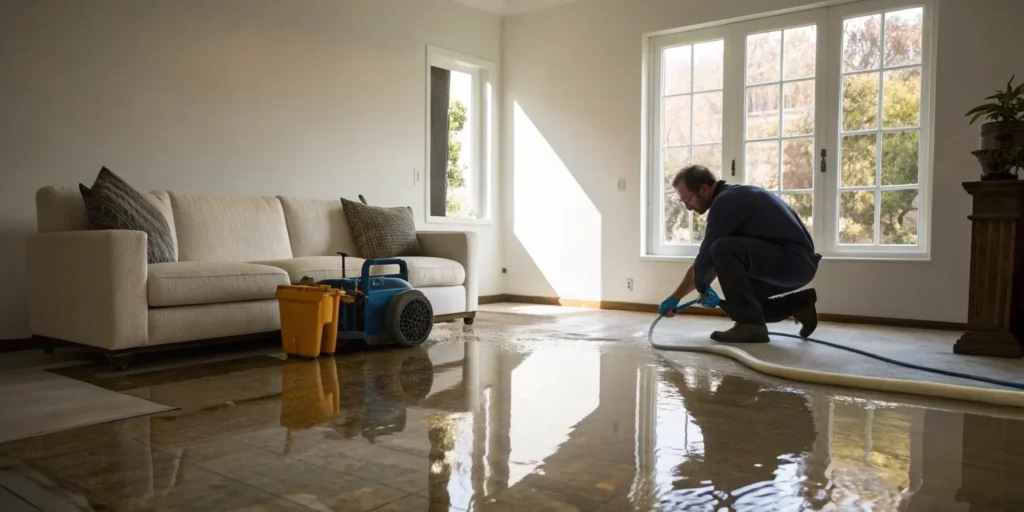
- Extraction: Our restoration team uses specialized equipment, including industrial pumps and wet vacuums, to begin the process of removing water from affected areas. This water extraction work is a crucial part of the restoration process, as it involves removing excess water to prevent structural damage, mold growth, and health hazards. We ensure to efficiently remove water from carpets, upholstery, and other impacted materials.
- Drying: After extraction, we employ air movers and dehumidifiers to ensure the area is thoroughly dried. This step is critical in preventing residual moisture, which could lead to mold growth and structural damage.
- Monitoring: Our technicians continually monitor the drying process, verifying that the area is completely dry and free from lingering moisture.
- Final Step: The final step involves a comprehensive inspection to ensure all repairs are completed, safety standards are met, and the overall quality of the restoration effort is maintained.
Types of Water Extraction Techniques
There are different methods and various techniques used in water extraction and mitigation, depending on the scale of the project and the tools available. Commonly used techniques include:
- Submersible Pumps: Ideal for removing large volumes of standing water quickly.
- Wet Vacuums: Suitable for pulling water out of carpets and fabrics, ensuring no remnants remain.
- Siphoning: A traditional method for smaller-scale jobs where manual water removal is feasible.
For complex scenarios, we might integrate advanced devices like filtration systems or moisture sensors to ensure thoroughness in our extraction efforts.
Professional services utilize these different methods and various techniques to deliver a cost effective and thorough restoration, often preventing more expensive repairs down the line.
Common Challenges in Water Extraction
Water extraction is not without its challenges. Some common issues we face include:
- Accurate Water Source Identification: Understanding where the water is coming from can be complicated, particularly with hidden leaks. Hidden water damage can occur in areas not immediately visible, such as behind walls or under floors, requiring specialized detection equipment and expertise to identify and address these concealed issues before they lead to structural or mold-related problems.
- Leaking Pipe: A leaking pipe is a frequent source of water damage or flooding in properties. It must be addressed quickly to prevent escalation, including structural damage and mold growth.
- Electrical Hazards: Water and electricity pose a significant risk. Managing these hazards is critical during the extraction process.
- Variable Water Volume: Different scenarios present unique volumes of water, requiring adaptability in our methods.
- Equipment Maintenance: Ensuring that all extraction tools are functioning correctly is paramount for efficiency and safety.
Relying solely on letting water evaporate is insufficient and can lead to secondary damage, such as mold growth or lingering moisture issues. Active water removal through professional extraction methods is essential.
Failure to address these challenges can lead to incomplete water removal and further complications. Water mitigation is a critical follow-up to extraction, involving thorough drying, disinfection, and moisture control to ensure the property is fully protected.
The Drying Process After Extraction
Once the initial water extraction is complete, the drying process becomes the next critical phase in the restoration process. Even after visible water is removed, moisture can linger in building materials, creating a risk for further damage and mold growth. Restoration professionals use specialized equipment such as high-powered air movers and industrial dehumidifiers to draw out moisture from walls, floors, and other affected areas.
The drying process is carefully monitored to ensure that all areas are drying properly. Restoration professionals regularly check moisture content using advanced techniques and adjust equipment as needed to achieve optimal results. This attention to detail helps return your property to its pre-loss condition and prevents secondary issues like warping, swelling, or persistent odors.
Depending on the extent of the water damage and the types of materials involved, the drying process can take several days. Working with a professional restoration company ensures that the drying process is thorough and effective, reducing the risk of further damage and helping you move forward with confidence.
Protecting and Recovering Personal Belongings
Water damage can be overwhelming, especially when it affects cherished personal belongings. The key to protecting and recovering these items is to act as soon as possible. Removing personal belongings from the affected area quickly helps prevent further damage and limits exposure to contaminated water.
Restoration professionals have the expertise and specialized equipment needed to clean, dry, and restore a wide range of items, from furniture and clothing to important documents and keepsakes. Depending on the severity of the water damage, some items may be restored on-site, while others may require off-site treatment for more intensive care.
A professional restoration company can assess which items are salvageable and use advanced techniques to restore them to their former condition whenever possible. With prompt professional help, many homeowners are surprised at how much can be saved, helping to ease the stress of water damage and support a smoother recovery process.
Post-Extraction: Ensuring Property Restoration
Once extraction is complete, the next phase is crucial for a successful restoration:
- Disinfection: We use EPA-approved compounds to sanitize the area, eliminating harmful pathogens and contaminants.
- The restoration team also assesses and restores salvageable items affected by water damage, utilizing professional services to clean and repair personal belongings for safe and effective recovery.
- Dehumidification and Air Circulation: High-performance dehumidifiers and fans are deployed to circulate air and prevent any lingering moisture from causing mold growth.
- Final Inspection: Our team conducts a thorough inspection to ensure that all moisture has been eradicated, and we carry out preventive measures to guard against future incidents.
Summarizing, the water extraction process is vital for any property experiencing water damage. At SuperClean Restoration, we pride ourselves on our systematic and comprehensive approach, focusing on prompt action, high-quality service, and long-lasting solutions. Our expert team is here to ensure your home or business is thoroughly restored, protecting your property and well-being from the risks associated with water damage. If you find yourself dealing with water issues, remember that quick action can make all the difference. Let us help you restore your peace of mind.
Preventing Future Water Damage
Taking proactive steps to prevent future water damage is essential for protecting your property and peace of mind. Regular maintenance, such as inspecting for leaks, keeping gutters and downspouts clear, and repairing any issues promptly, can go a long way in reducing the risk of water infiltration. Installing flood-proof doors and windows, as well as considering wastewater treatment plants or other water management systems, can provide additional layers of protection.
Professional water extraction services can offer valuable guidance on how to safeguard your property against future incidents. Regular inspections by experts can help identify vulnerabilities before they lead to serious water damage, mold growth, or structural damage. By investing in preventive measures and working with trusted water extraction services, you can minimize health risks, avoid costly repairs, and ensure your property remains safe and dry for years to come.
Frequently Asked Questions
What is the water extraction process?
The water extraction process involves systematic removal of excess water from buildings affected by flooding or leaks. It is the first step in property restoration and crucial for preventing further damage and health risks.
Why is rapid water extraction important?
Rapid water extraction is vital to prevent property deterioration, reduce mold growth, and speed up the overall drying process, minimizing health hazards and ensuring the integrity of the property.
What techniques are used in water extraction?
Common water extraction techniques include using submersible pumps for large volumes, wet vacuums for carpets, and siphoning for smaller jobs. Advanced equipment may be integrated for thoroughness.
Can I perform water extraction myself?
While DIY water extraction is possible for minor issues, professional assistance is recommended for significant water damage to ensure effective removal and prevent health risks associated with inadequate drying.
What are the risks of not extracting water quickly?
Failing to extract water quickly can lead to severe property damage, mold growth within 24-48 hours, and increased health risks for occupants due to stagnant water and moisture accumulation.
How is a property restored after water extraction?
After water extraction, restoration involves disinfection with EPA-approved compounds, dehumidification, air circulation, and a thorough final inspection to prevent future water issues.