Why Historic Homes Face Unique Mold Challenges
Historic homes throughout Palm Beach County carry a special charm and irreplaceable architectural character. They also carry significant challenges when water damage or mold growth occurs. We’ve spent years responding to emergency situations in these properties, and we’ve learned that treating a 1920s Mediterranean Revival home requires fundamentally different approaches than addressing mold in a modern structure. The materials are different, the construction methods are different, and the stakes for preservation are much higher.
Our team understands that your historic home isn’t just a building. It’s an investment in local heritage and often a family legacy. When mold threatens that legacy, you need specialists who can eliminate the problem without stripping away the character and authenticity you’ve worked to maintain. This guide walks you through how we approach mold remediation in historic Palm Beach properties, what makes these projects distinctive, and why the right contractor matters more than ever when historic preservation is on the line.
Older homes across Palm Beach County possess structural and material characteristics that make them more susceptible to mold colonization and harder to treat effectively. Understanding these vulnerabilities helps explain why standard mold remediation protocols often fall short.
Most historic homes feature solid masonry walls, plaster-over-lath interior finishes, and wood structural elements that were never designed for modern moisture control. Unlike contemporary construction with vapor barriers and sealed cavities, historic homes “breathe.” This quality is actually beneficial for long-term durability and indoor air quality, but it also means moisture migrates more freely through walls. When that moisture encounters cool surfaces or becomes trapped during seasonal humidity swings, mold finds ideal conditions.
The materials themselves present additional complexity. Many historic homes contain lime mortar rather than Portland cement, original plaster with period additives, and wood species no longer commonly harvested or understood by typical contractors. Mold can penetrate deep into these porous materials and establish itself within the matrix, not just on the surface. Surface cleaning accomplishes nothing if spores have colonized the interior structure.
Historic homes also frequently lack modern drainage systems. Many were built before footing drains and sump pumps existed. Foundation walls sit directly against soil with minimal waterproofing. Crawlspaces and basements remain chronically damp. We’ve responded to countless calls where mold in a historic Palm Beach home originated from groundwater intrusion that’s been happening quietly for decades.
Another challenge we regularly encounter involves identifying moisture sources without opening walls. In modern homes, a moisture meter points us to problem areas we can access directly. Historic construction often hides issues behind plaster, within void spaces, and within structural cavities we cannot safely expose without compromising the home’s integrity. This requires us to be more methodical in our investigation and more conservative in our treatment protocols.
What to do next: If you own a historic home in Palm Beach County, schedule a professional moisture assessment before mold appears. Early detection of water intrusion sources can prevent far costlier remediation later.
The Hidden Costs of Delaying Mold Treatment in Older Structures
The longer mold persists in a historic home, the more extensive and expensive the remediation becomes. But the financial calculation goes beyond treatment costs alone.
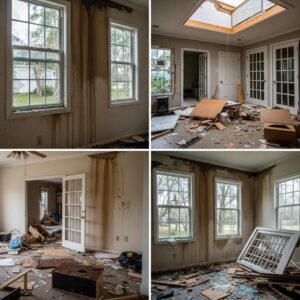
Mold spreads predictably. What starts as surface growth in a corner of the basement gradually penetrates deeper into masonry, migrates along wood structural members, and climbs into wall cavities. By the time homeowners notice significant growth, the problem often extends well beyond the visible area. In historic homes with plaster walls and enclosed cavities, significant mold colonization can exist completely hidden. We’ve opened walls in historic Palm Beach properties to discover that mold has spread throughout an entire wall cavity while the visible surface showed only minor discoloration.
The structural damage compounds over time. Mold feeds on organic material, and historic homes contain abundant organic substrates: wood framing, wood lath behind plaster, period paints and finishes, and natural fiber insulation. As mold metabolizes these materials, structural integrity slowly degrades. Wood loses density and strength. Plaster weakens. In extreme cases, we’ve documented situations where structural members required replacement rather than simple treatment. That transformation from remediation to structural repair can add six figures to a project cost.
Historic homes also face depreciation risk. Buyers of these properties increasingly expect disclosure of mold history. Properties with documented mold problems command lower prices and face longer market times. Lenders and insurers scrutinize historic properties with mold backgrounds more carefully. Delaying remediation while hoping the problem resolves itself typically results in reduced property value, harder sales, and higher insurance premiums when you finally address the issue.
There’s also the health dimension. Mold exposure creates respiratory irritation, allergic reactions, and potential complications for occupants with compromised immune systems. In historic homes where mold grows hidden within wall cavities, occupants may experience health effects without understanding the source. Continued exposure while delaying professional remediation puts everyone in the home at risk.
Insurance coverage becomes more complex with delayed treatment as well. Most homeowner policies exclude mold damage that results from negligent maintenance or prolonged water intrusion. If you discover mold and wait to address it, insurers may later deny coverage based on the timing and your response to the initial water event.
What to do next: Contact us immediately if you suspect mold in your historic home. Early intervention prevents the cascade of costs and complications that delayed treatment creates.
Our Assessment Process for Historic Properties
We’ve developed a specialized assessment protocol specifically for historic homes because we understand that standard mold inspection approaches often prove inadequate for these properties.
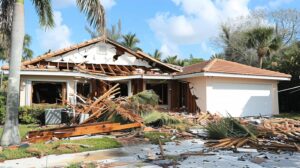
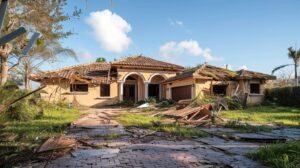
Our assessment always begins with a detailed property history conversation. We ask about the home’s original construction date, renovation history, any past water damage events, and previous remediation attempts. We want to understand the home’s story because past decisions (like removal of old windows or changes to drainage patterns) often created the conditions for current mold problems. A historic home damaged by a hurricane in 2023 may have unresolved structural moisture that’s now feeding mold growth.
Next, we conduct a thorough visual inspection, but we approach it differently than we would a modern home. We examine foundation walls and crawlspaces with particular attention to water staining patterns and efflorescence (white mineral deposits indicating water migration through masonry). We check window frames, especially original wood windows, where condensation and water penetration commonly occur. We assess the condition of roof structures and look for evidence of past leaks. We examine exterior masonry for cracks, deteriorated mortar, and grading problems that affect drainage.
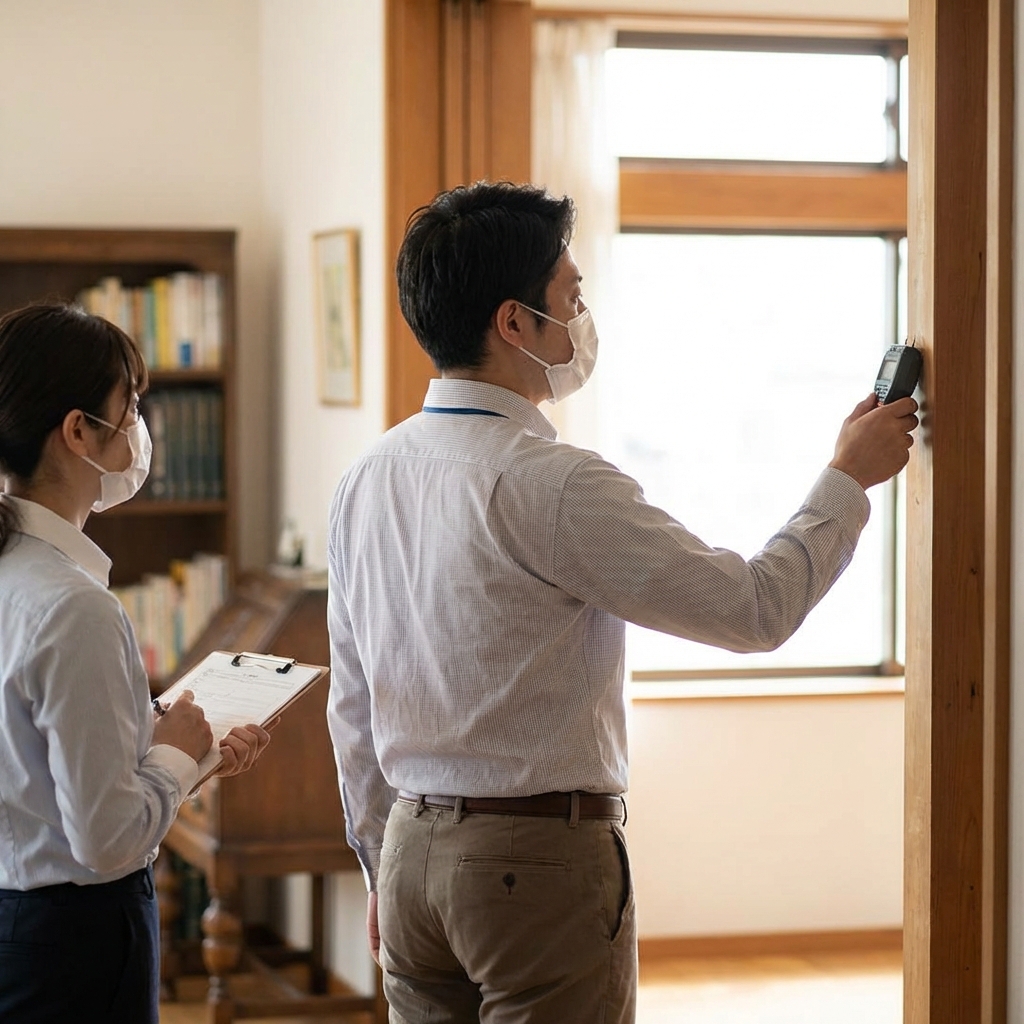
We use moisture meters calibrated for historic materials. Standard meters designed for modern drywall and lumber can give misleading readings on plaster, lime mortar, and old-growth wood. We take measurements at multiple depths within materials to understand moisture distribution rather than just surface readings. We’re looking for patterns that explain where mold is likely to develop even if it’s not yet visible.
Thermal imaging cameras help us identify cold spots and temperature differentials that indicate moisture problems or air leakage. Historic homes with original windows and compromised envelope performance often show dramatic thermal patterns that correlate with mold growth locations.
When we cannot determine the extent of mold without invasive techniques, we discuss options carefully with you. Sometimes we recommend limited exploratory openings in inconspicuous locations to assess cavity conditions. We document everything photographically so you understand what we found and why we’re recommending specific treatment approaches.
We provide a written assessment that identifies all moisture sources, describes visible and suspected mold locations, explains the underlying causes, and outlines treatment options with associated costs. Our goal is to give you complete information so you can make informed decisions about how to proceed.
What to do next: Request an assessment that includes detailed documentation and explains the “why” behind findings, not just the “what” and “where.”
Customized Remediation Strategies That Preserve Your Home’s Integrity
Standard mold remediation protocols often involve aggressive drying, encapsulation, and material removal that destroy historic finishes and compromise architectural authenticity. Our approach prioritizes preservation while still achieving complete mold elimination.
When mold affects exterior masonry, we use targeted cleaning methods that remove mold growth without damaging the historic mortar or original stone surfaces. We combine gentle pressure washing (at pressures significantly lower than standard remediation) with appropriate biocides and careful technique. For sensitive materials like soft sandstone or deteriorated brick, we may rely primarily on chemical treatment with minimal physical cleaning. The goal is dead mold without destroyed historic surfaces.
For interior plaster affected by mold, we evaluate whether the plaster can be treated in place or requires removal. If the plaster is original, architecturally significant, and structurally sound, we’ll treat it rather than remove it. This might involve targeted application of antifungal treatments, careful drying management, and monitoring. If removal becomes necessary, we document the plaster carefully, preserve samples for historical record, and ensure any replacement plaster matches the original composition and finish.
Wood structural members with mold growth present more complex decisions. Surface mold on wood can be treated chemically and dried without removing the wood. But mold that has penetrated deep into structural members or caused decay requires removal and replacement. When replacement becomes necessary, we source historically appropriate materials when possible. For a 1925 home with original longleaf pine joists, we’ll search for reclaimed longleaf pine rather than accepting modern substitutes. This costs more but maintains the historical integrity of your home’s structure.
We work with period-appropriate materials whenever remediation requires replacement. This means using lime-based mortar repairs for historic masonry rather than modern Portland cement, which actually causes more damage long-term. It means using plaster mixes that match original compositions. It means understanding that sometimes “period-correct” means slightly less efficient by modern standards, but far more appropriate for the structure.
Drying strategies for historic homes emphasize gentle, controlled drying rather than aggressive dehumidification. Rapid drying of porous materials like plaster and masonry can cause salt migration and surface damage. We manage moisture levels carefully, often over longer periods than modern remediation would require, to prevent secondary damage while eliminating the mold.
What to do next: Ask your remediation contractor whether they have specific experience with historic homes and whether they’ll commit to preservation-first approaches. If they can’t answer confidently, find someone who can.
Advanced Techniques for Sensitive Historic Materials
Our work with historic Palm Beach properties has required us to master specialized techniques not typically found in standard mold remediation.
For original wood windows, we use reversible treatments that eliminate mold without damaging historic glass, sashes, or frame wood. We’ll carefully disassemble windows when necessary, treat individual components, and reassemble them to original specifications. This approach preserves the window’s historic character while ensuring mold won’t return. It takes far longer than simply replacing the windows, but it maintains authenticity.
Envelope remediation in historic homes requires careful decision-making. The original exterior may lack modern weather barriers and insulation. Poorly executed retrofit work creates moisture traps that worsen mold problems. When we recommend envelope improvements, we specify methods that work with the home’s original construction rather than against it. This might mean interior insulation strategies that allow walls to continue “breathing,” or exterior treatments that improve water shedding without creating vapor barriers that trap moisture within the structure.
For foundation work, we sometimes employ underpinning and selective foundation repair rather than wholesale replacement. We assess whether the foundation can be waterproofed and drained using modern methods applied carefully to avoid damaging historic elements. We install drainage systems that protect the home without requiring foundation excavation that damages period landscape features or architectural elements at grade level.
We use non-invasive moisture mapping technology when possible. Thermal imaging, wood moisture probes at multiple depths, and careful surface assessment can often tell us enough about moisture distribution without requiring exploratory wall openings. When we do need to open walls, we do it strategically in the least visible locations and document everything thoroughly.
For testing mold spore counts, we use protocols that provide actionable data without excessive testing that drives up costs. We test before and after remediation in key locations to verify that treatment was effective. We provide clear documentation of remediation success based on testing results.
What to do next: Ensure your remediation contractor understands reversible treatments and preservation-first techniques, not just standard demolition and replacement approaches.
How We Protect Your Property During Treatment
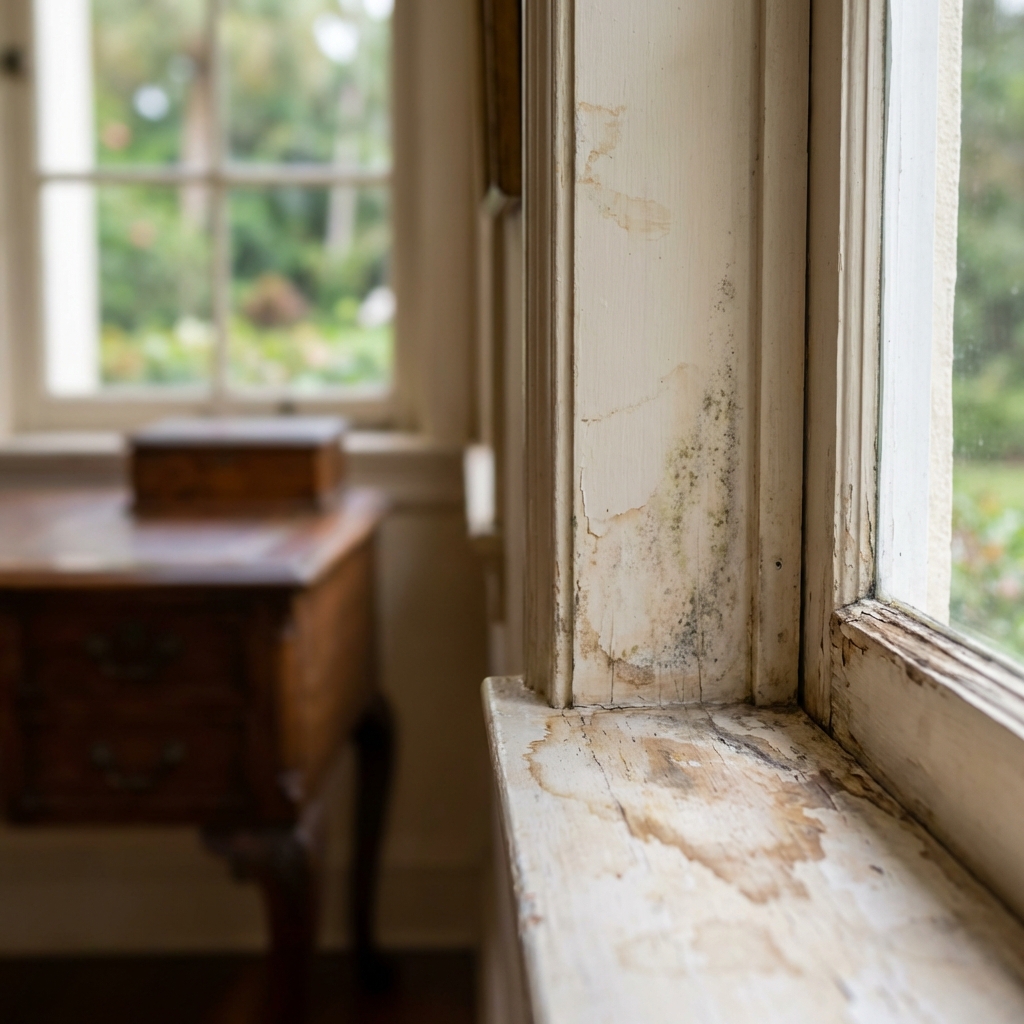
Remediation work in an occupied historic home requires protocols that minimize disruption to the living space while ensuring safety throughout the process.
We establish careful work zones before treatment begins. This involves discussion with you about which areas you’ll need access to during remediation and which can be sealed off. For homes where occupants remain during treatment, we create negative pressure work areas that contain mold spores and prevent them from spreading to unaffected portions of the home. This requires different equipment configuration than it would in a modern home with modern HVAC systems, but it’s absolutely essential for protecting both the home and your family.
We document the home’s condition before we begin any work. This includes photography of affected areas and surrounding spaces. We identify and protect valuable items, historic finishes, and architectural features that might be vulnerable during treatment. We communicate clearly with you about what to expect: noise levels, timeline, access restrictions, and any temporary disruptions like water outages if we’re addressing plumbing or foundation issues.
During treatment, we maintain strict protocols for equipment placement and material handling. We don’t want equipment rolling across original hardwood floors or vibration from machinery damaging fragile plaster. We route hoses and power lines carefully to minimize tripping hazards and avoid damage to historic finishes.
We manage dust and debris carefully. Mold remediation can generate significant dust, and in a historic home, that dust can settle on finishes and materials that took months to restore after a previous water damage event. We use containment barriers and HEPA filtration throughout the work area. We clean meticulously during and after treatment.
We protect adjacent areas from moisture migration during drying phases. In a historic home with interconnected cavities and porous materials, moisture can travel surprisingly far from the primary remediation area. We manage air flow carefully to direct moisture where we want it and prevent it from creating problems in nearby spaces.
Communication throughout the project matters immensely. We provide regular updates, explain what we’re doing and why, and address concerns quickly. If conditions change or we discover something unexpected (which happens regularly in historic homes), we discuss implications and options with you rather than simply proceeding with predetermined plans.
What to do next: Choose a contractor who will establish a dedicated point of contact for communication and who commits to regular updates during remediation.
Insurance Navigation for Historic Home Restoration
Historic homes often present insurance complications that standard mold claims don’t encounter, and we help you navigate this landscape.
Your homeowner’s policy almost certainly covers sudden, accidental water damage. But the coverage for mold remediation that results from that water damage typically comes with significant limitations. Most policies cap mold coverage at $10,000 to $25,000. For extensive remediation in a historic home, that cap proves inadequate.
We help you document the sequence of events that led to mold growth. This matters for insurance purposes. If mold resulted from a sudden pipe burst or storm damage (covered), that’s different from mold resulting from chronic moisture from a leaking roof (often excluded if you failed to maintain the roof). We provide detailed assessments that show exactly what caused the moisture problem, which helps justify coverage to your insurer.
We’re experienced in communicating with adjusters about historic properties. Many adjusters encounter historic homes infrequently and may not understand why replacing original plaster costs more than installing modern drywall, or why remediation takes longer and costs more than standard mold treatment. We explain the reasoning clearly so adjusters understand the decisions we’re recommending.
Some historic homes carry specialized coverage or historic property riders that provide additional protection. We help you understand your specific policy language and whether your coverage includes provisions for preservation-appropriate remediation costs.
We provide detailed cost estimates that separate different line items clearly. This helps adjusters understand where money is going and justifies pricing that exceeds standard remediation costs. When we’re replacing original materials, we show the cost difference between preservation-appropriate materials and standard alternatives, which often helps adjusters understand why historic remediation costs more.
We also advise you about preventive measures that may reduce your insurance costs. Some insurers offer premium discounts for homes where drainage improvements or other preventive measures have been implemented. Understanding these opportunities can offset some remediation costs through lower premiums over time.
What to do next: Review your homeowner’s policy before problems occur. Understand your mold coverage limits and whether your insurer offers historic property provisions or additional riders.
Timeline and Completion Standards for Your Project
Mold remediation in a historic home proceeds differently than remediation in a modern home, and understanding realistic timelines prevents frustration.
The assessment phase typically requires 1-2 visits depending on the property’s size and complexity. We need time to examine the structure thoroughly, take moisture readings at multiple locations and depths, and sometimes consult with structural specialists or architects if we’re unclear about construction details.
Once we’ve completed assessment and you’ve approved our proposal, we’ll schedule remediation. The timeline depends on the project’s scope. A modest remediation addressing mold in a basement or crawlspace might be completed in 1-2 weeks. A larger project involving multiple areas, envelope improvements, or structural repairs might require 4-8 weeks or longer.
We build in time for drying between treatment phases. In historic homes with porous materials like plaster and masonry, we monitor moisture levels continuously during drying rather than using arbitrary timelines. We might treat an area on Monday but not begin remediation in the adjacent area until Friday because we need to ensure moisture has reduced to acceptable levels. This is slower than standard remediation, but it’s necessary to prevent secondary damage.
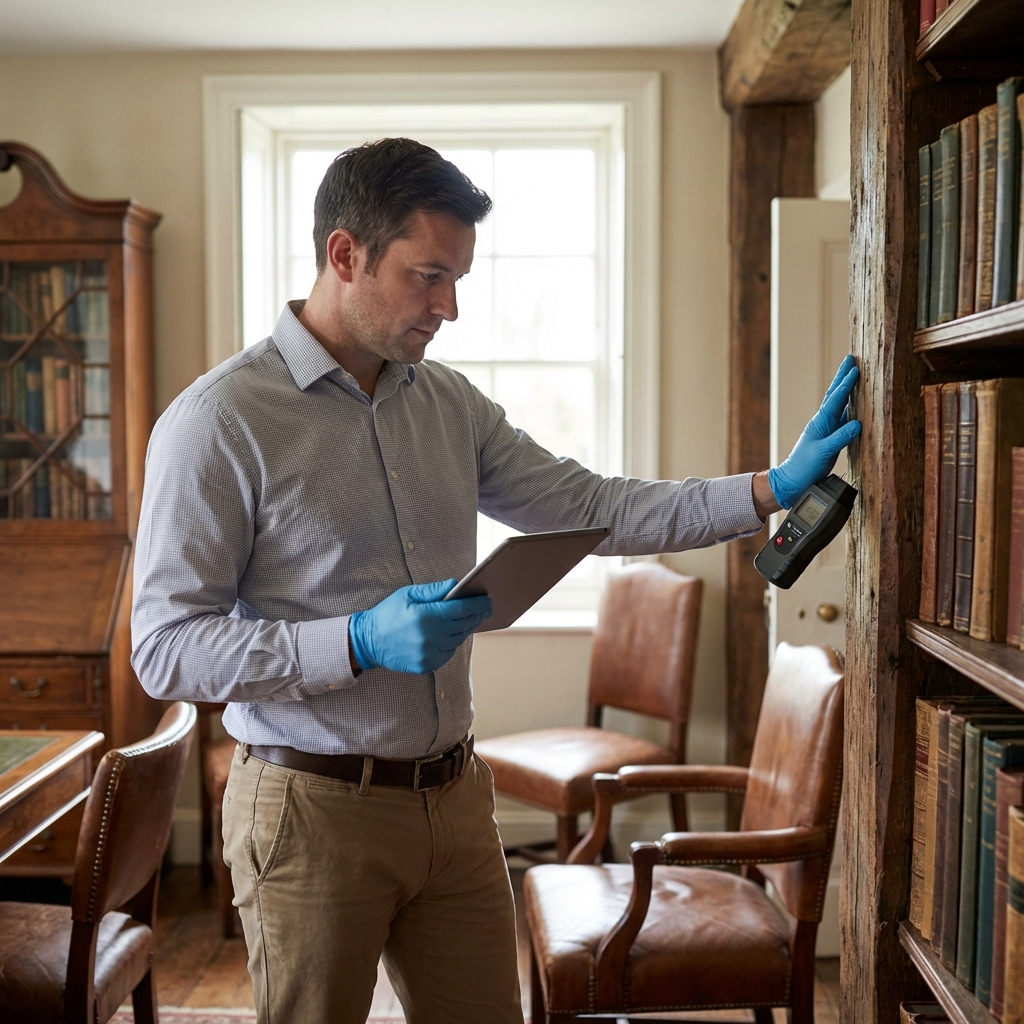
We schedule treatments considering seasonal factors. Humidity levels, temperature, and exterior moisture conditions all affect how quickly materials dry and how effectively we can treat mold. Summer projects in Florida present different challenges than winter projects. We plan accordingly rather than forcing arbitrary timelines that compromise quality.
Before we consider a project complete, we verify results through testing. We measure moisture levels in treated areas. We inspect for evidence of ongoing mold growth. We may perform post-remediation testing in select locations to confirm that mold spore counts have returned to acceptable levels. You’ll receive documentation of these final verification steps.
We also provide detailed post-remediation instructions and recommendations for ongoing maintenance. In a historic home, what you do after remediation ends significantly affects whether mold returns. We explain how to monitor the home, what warning signs to watch for, and what preventive actions will protect your investment.
What to do next: Ask your remediation contractor for a detailed timeline before work begins, and understand that preservation-appropriate treatment takes longer than standard remediation for good reason.
Preventing Future Mold Growth in Historic Structures
Remediation is only the beginning. Preventing mold’s return requires understanding what caused the problem and implementing solutions that work with the home’s historic characteristics.
If your mold problem originated from foundation moisture, we typically recommend a multi-layered approach. This might include exterior grading improvements to direct water away from the foundation, installation of exterior or interior drainage systems appropriate for a historic structure, and potentially sump pump installation in extremely wet basements. For historic crawlspaces, we recommend vapor barriers and ventilation improvements rather than complete encapsulation, which can trap moisture in historic wood structure.
If the problem involved roof leaks, we address the underlying cause. This might be roof repair or replacement, but we do this thoughtfully for historic homes. Many historic properties have architectural details like cornices, brackets, or distinctive rooflines that must be preserved during roof work. We work with roofers experienced in historic preservation to ensure the replacement roof matches the original in profile and appearance while improving water shedding.
Window and door condensation issues in historic homes respond to improved weatherization and enhanced ventilation rather than replacement. We help identify areas where water penetration occurs and address those specific points. For homes with original wood windows, we implement careful maintenance protocols and condensation management rather than replacement.
Interior humidity management becomes important in properties with chronic moisture issues. We may recommend modest improvements like bathroom exhaust fans that actually duct outside (many historic homes lack any exhaust ventilation), kitchen range hoods, or in extreme cases, whole-house dehumidification systems designed to work quietly without disrupting the home’s character.
We also address any indoor moisture sources that may exist. In historic homes, this might mean identifying plumbing leaks hidden within walls, addressing inadequate bathroom ventilation, or managing humidity from unvented gas fireplaces or cooking activities.
Finally, we recommend a preventive monitoring program for properties with significant prior mold problems. This might include annual professional inspections, moisture monitoring in crawlspaces or basements, and periodic testing to identify any recurrence at the earliest stages.
What to do next: Invest in the preventive measures we recommend after remediation. These investments cost far less than addressing mold problems again later.
Why Palm Beach Homeowners Trust Our Expertise
We’ve earned our reputation for historic home remediation through years of specialized experience and commitment to preservation principles that guide every project.
We understand Palm Beach County’s specific challenges. Our coastal climate, seasonal humidity, and occasional storm damage create moisture conditions that are particularly problematic for older homes. We’ve responded to water damage from hurricanes, tropical storms, and typical summer thunderstorms in historic properties throughout the county. We understand how local conditions affect remediation planning and prevention strategies.
We’ve developed relationships with specialists we trust. When a historic home requires structural assessment, we work with engineers who understand historic construction. When we need to source materials for preservation-appropriate repairs, we know where to find them. When we encounter questions about historic restoration, we consult with architects and preservation experts who specialize in period structures. This network means we’re never guessing about the right approach.
We’re transparent about our methods and reasoning. When we explain why we’re recommending treatment in place rather than replacement, or why remediation will take 6 weeks rather than 2, we show you the logic behind our recommendations. We welcome questions and work collaboratively with you to find solutions that balance preservation, budget, and timeline.
We maintain insurance coverage and certifications specific to mold remediation and water damage work. We’re committed to staying current with industry standards and best practices. Our team has received specialized training in historic preservation principles and techniques.
Perhaps most importantly, we treat your historic home with the respect it deserves. Your home is irreplaceable. The original plaster, the hand-blown glass in the windows, the craftsmanship in the woodwork, the historical significance of the architecture all matter to us because we understand they matter to you. We don’t see your historic home as a standard remediation job. We see it as a structure worth preserving.
We’re available 24/7 because water damage and mold emergencies don’t respect business hours. When you need emergency response for a burst pipe or storm damage at 2 AM, we answer the phone and mobilize. For historic homes, rapid response during water events is critical because the longer moisture persists, the more extensive mold remediation becomes.
What to do next: When water damage strikes your Palm Beach historic home, contact us immediately for professional mold remediation rather than attempting cleanup yourself or relying on contractors unfamiliar with historic structures. Early professional intervention prevents the cascade of damage and costs that delay creates.