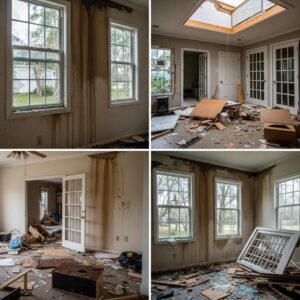
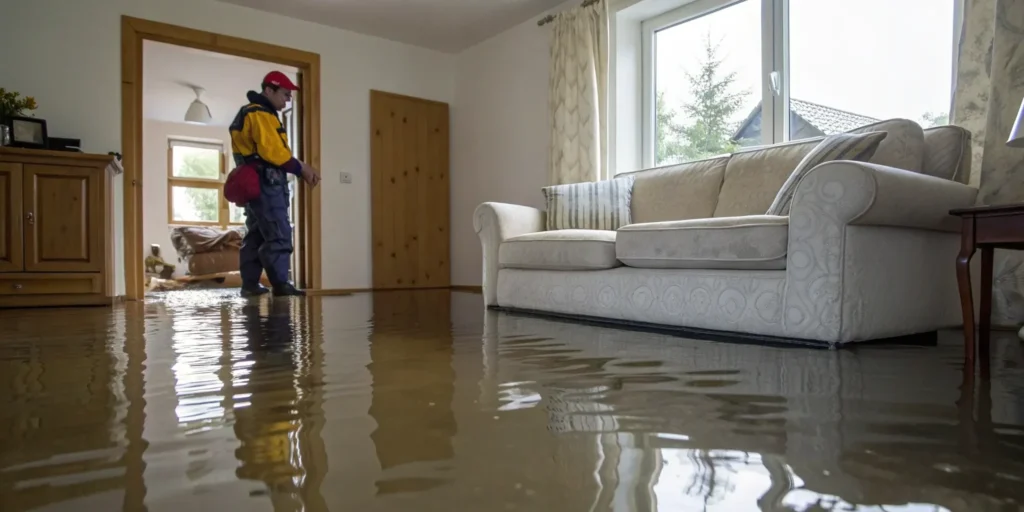
When water damage strikes, whether from a sudden storm, a burst pipe, or even a leaky roof, it can feel overwhelming. The choice between tackling the repair ourselves or hiring professionals looms large. At SuperClean Restoration, we understand that water damage can lead to serious consequences if not addressed promptly and effectively. Here, we investigate into the key differences between DIY and professional water damage repair to help you make an well-informed choice that best suits your needs.
Understanding Water Damage
Water damage is a multifaceted issue that occurs when unwanted water infiltrates your property’s structure, leading to potential decay and significant issues if not dealt with properly. By understanding the types of water damage and its potential impacts, we can better assess how to tackle the problem effectively in the face of uncertainty.
Addressing water damage promptly and effectively is crucial to prevent escalation, long-term structural issues, and the growth of mold.
Types of Water Damage
- Clean Water (Category 1): This type originates from clean sources, like burst pipes or rainfall. While minor incidents may be manageable through DIY methods, larger issues should be evaluated by professionals.
- Grey Water (Category 2): This water is mildly contaminated, often from sources like dishwashers or washing machines. It usually requires more caution and might be beyond the scope of DIY fixes.
- Black Water (Category 3): Highly contaminated water, often from sewage or floodwaters. Flood damage is a common source of black water, as flooding can introduce hazardous contaminants into your property. This type is not safe for homeowners to handle and requires professional intervention.
Effects of Water Damage on Property
Water intrusion can profoundly impact your property, leading to:
- Structural Weakening: Prolonged exposure can weaken the integrity of drywall, wood framing, and flooring, potentially resulting in structural damage that compromises the building’s safety.
- Mold Development: A perfect breeding ground for mold can emerge within 24 to 48 hours if moisture remains unchecked.
- Increased Repair Costs: The longer the damage persists, the more expensive the repairs can become.
Health Risks Associated with Water Damage
The presence of water not only threatens your property but also poses health risks:
- Mold can lead to respiratory issues and allergies.
- Contaminants in water can cause serious infections and health complications, particularly from grey and black water.
Water Damage Cleanup
Water damage cleanup is a vital part of the water damage restoration process, and how you handle it can make all the difference in restoring your property to a safe and healthy environment. When water flows into your home from sources like burst pipes, overflowing toilets, washing machines, or plumbing leaks, acting quickly is essential to prevent mold growth, further damage, and health hazards.
The first step in water damage cleanup is to remove standing water from all affected areas. This water extraction process is crucial for minimizing extensive damage to personal belongings, wet carpet, and structural materials. Using specialized equipment such as powerful pumps, wet vacuums, and air movers, a professional restoration company can efficiently remove excess water and begin the drying process. Rapid response is key—standing water left unaddressed can lead to structural issues, electrical damage, and potential mold growth within just 24 to 48 hours.
Once the excess water is removed, the drying and dehumidification phase begins. Air movers and dehumidifiers are used to ensure that all moisture is eliminated from hard surfaces, soaked carpets, and damaged materials. This step is critical to prevent mold growth and further damage, as even small pockets of hidden moisture can lead to future problems and costly repairs.
DIY water damage restoration may be possible for minor incidents involving clean water and limited affected areas. However, it’s important to assess the damage carefully. If you’re dealing with contaminated water—such as gray water from washing machines or black water from sewage backups—professional intervention is necessary. These situations require specialized training and equipment to safely remove harmful bacteria and address health risks. Attempting DIY efforts in these cases can expose you to serious health issues and may result in improper drying, leading to future mold remediation needs.
A professional restoration company not only brings the necessary equipment and expertise but also helps you navigate the insurance claims process. They can document the damage for your insurance company, ensuring a smoother claims process and helping you restore your property efficiently. Their specialized training allows them to identify the source of the water, address structural drying, and prevent future water damage by recommending solutions like installing a sump pump or repairing broken pipes.
To maintain a healthy environment and prevent future water damage, it’s important to address the source of the water and perform regular maintenance on your property. Routine inspections, prompt repairs of plumbing leaks, and proper care of appliances can significantly reduce the risk of water emergencies and potential mold growth.
In summary, water damage cleanup is a critical step that requires prompt action, the right equipment, and expert knowledge. Whether you choose DIY restoration for minor incidents or hire professionals for extensive damage, ensuring a thorough cleanup will help protect your property, your health, and your peace of mind. By understanding the importance of effective water damage cleanup and taking proactive steps, you can prevent further damage and maintain a safe and healthy environment for years to come.
DIY Water Damage Restoration
For minor water incidents, the DIY approach might seem appealing. However, several factors should be considered when deciding whether to use DIY methods, such as the extent of damage, the affected area, and the type of water involved. But, gauging when to use this method effectively is vital.
When to Choose DIY Methods
We should consider DIY for:
- Small, localized incidents involving clean water.
- Situations where the area can be dried within 24 to 48 hours.
- Areas without structural or electrical involvement.
- Cases where the type of water involved is clean (not gray or black water), as gray or black water may require professional remediation due to health risks and more complex restoration procedures.
Pros and Cons of DIY Water Damage Repair
Pros:
- Lower upfront costs and the potential to be cost effective make DIY an attractive option.
- We have immediate control over the restoration process, allowing us to act quickly.
Cons:
- Limited expertise can lead to incomplete repairs or hidden damage lingering.
- The risk of mold growth can increase due to insufficient drying.
Common DIY Restoration Techniques
- Wet vacuuming: Ideal for removing water from floors and carpets.
- Fans and Dehumidifiers: Essential for promoting air circulation and reducing humidity.
- Moisture meter: Use a moisture meter to detect hidden moisture in walls, floors, and ceilings. This helps ensure all affected areas are dry and reduces the risk of mold growth.
- Surface cleaning and disinfecting: Removing potential contaminants from hard surfaces helps maintain hygiene.
Potential Risks of DIY Restoration
While DIY methods can be beneficial, they come with crucial risks. One major concern is the potential for hidden moisture that often goes undetected, leading to mold issues weeks or months down the line.
Before starting any diy water damage repair, always turn off the power supply to affected areas and avoid contact with electrical equipment or outlets exposed to water to prevent electrical shock or hazards.
Also, mishandling materials, especially contaminated water types, can pose health risks. Besides, if a DIY job is found inadequate post-restoration, homeowners might face complications with insurance claims or voided warranties.
Professional Water Damage Restoration
Water mitigation is a key component of professional water damage restoration, involving rapid response, specialized equipment, and thorough assessment to prevent further damage and mold growth.
When the damage is more extensive, professional water damage restoration is a reliable choice.
Reasons to Hire Professionals
- Widespread Damage: If the impact affects multiple rooms or large areas.
- Presence of Contaminated Water: Grey or black water always necessitates a professional touch.
- Visible Mold: Any sign of mold requires immediate expert assessment to not only remove it but also fix underlying issues to prevent recurrence.
- Remediation Process Expertise: Professionals are trained to handle the remediation process, ensuring thorough recovery from extensive or contaminated water damage by properly detecting issues, managing contaminants, and preventing mold growth.
Benefits of Professional Services
Professional restoration services provide numerous benefits, including:
- Access to industrial-grade extraction and drying equipment.
- Use of advanced equipment for comprehensive water damage restoration, allowing professionals to address hidden issues and ensure thorough cleanup.
- Expert assessment ensures that all moisture is detected and addressed.
- Comprehensive mold prevention strategies help protect your home.
- Documentation for insurance purposes can ease the claims process.
Choosing the Right Professional Service
When selecting a service, look for:
- Certifications: Ensure they are IICRC-certified, reflecting their professionalism.
- 24/7 Availability: Water damage demands quick action, so round-the-clock service is critical.
- Clear Estimates: Make sure their scope of work is well defined, and always ask for references.
Cost Comparison: DIY Vs. Professional
Deciding between DIY and professional restoration boils down to initial costs versus long-term effects. Professional services not only address structural issues but also use specialized equipment and rapid response to help protect your personal property from further damage, which can significantly impact long-term costs.
Long-Term Cost Implications
While DIY might seem cheaper at first, the long-term risks can lead to greater financial burdens:
- Ongoing Costs: If mold or structural issues arise from incomplete repairs, expenses can accumulate rapidly.
- Water Emergency: Failing to respond quickly to a water emergency can significantly increase long-term costs due to additional damage and more extensive repairs.
- Professional Services: Although more expensive upfront, they often manifest as a better long-term investment by preventing damage recurrence and additional health problems.
In the end, determining between DIY and professional water damage repair is crucial for protecting our homes and health. While DIY can work for minor incidents, professional restoration is essential for significant damage. At SuperClean Restoration, we stand ready with trained technicians equipped with state-of-the-art technology to restore your property effectively and safely. Your peace of mind is our top priority, and we are committed to being your trusted partner in any situation.
What are the key differences between DIY and professional water damage repair?
The main differences lie in expertise and equipment. DIY is suitable for small incidents with clean water, while professionals handle widespread damage and contaminated water, ensuring thorough assessment and prevention of future issues.
When should I hire professionals for water damage restoration?
Consider hiring professionals if the damage is extensive, involves contaminated water, or if there is visible mold. Their expertise ensures effective restoration and compliance with safety standards.
Can I handle water damage repair myself?
Yes, you can manage minor water damage caused by clean water on your own. However, for larger issues, it’s safer and more effective to seek professional help to prevent mold and health risks.
What are the health risks associated with untreated water damage?
Prolonged water damage can lead to mold growth, which poses respiratory issues and allergies. Contaminated water, particularly grey and black water, can cause serious infections and health complications.
What tools do professionals use for water damage restoration?
Professionals use industrial-grade extraction equipment, specialized drying machines, and moisture detection tools. This equipment ensures complete removal of water and prevention of mold growth.
How does the cost of DIY repair compare to professional services?
While DIY repairs may seem cheaper initially, the long-term risks and potential for hidden damage can lead to higher future costs. Professional services, though more expensive upfront, often provide better long-term value.