Water damage poses a significant threat to homes, leading to extensive damage, costly repairs, and even health issues due to mold growth. At SuperClean Restoration, we’ve witnessed firsthand how quickly water can infiltrate homes, making awareness of its causes essential for homeowners. In this text, we discuss the primary causes of water damage, providing insights and preventive measures to help you safeguard your living space.
Understanding Water Damage
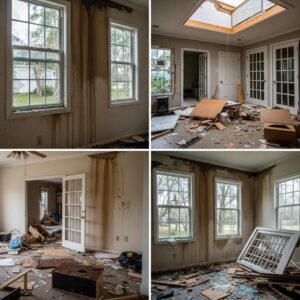
Water damage refers to any destructive effect that water intrusion has on a property. Water intrusion can also lead to structural issues, such as warping, rust, or foundation erosion, which may compromise the building’s stability. This can include damage to structural elements, personal belongings, and the environment. Understanding the nature of water damage is crucial for homeowners to identify problems early and prevent disastrous outcomes.
Common Causes of Water Damage
Water damage can stem from several sources, each presenting unique challenges to homeowners. We’ll explore some of the most prevalent causes below.
Leaking Pipes and Plumbing Issues
One of the leading sources of water damage in homes is leaking pipes. Leaking faucets are another frequent plumbing problem that can lead to water waste and damage.
Cracked or corroded pipes, as well as burst pipes, can occur due to aging materials, poor installation, or extreme weather. High water pressure can exacerbate leaks and lead to severe damage if not promptly addressed, and prompt repairs help prevent deterioration of affected material and reduce the risk of mold growth.
Weather-Related Water Damage
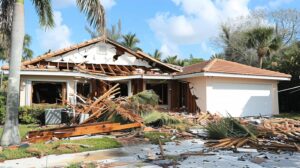
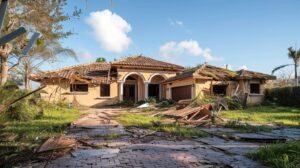
Heavy rain, storms, hurricanes, and even snowmelt can overwhelm a home’s capacity to manage water. According to flood damage statistics from authoritative sources like FEMA and insurance industry reports, flooding is one of the most common and costly natural disasters, resulting in billions of dollars in property losses each year. From roof leaks caused by missing shingles to wind-driven rain, these weather events can introduce large volumes of water into your home, leading to significant damage if not properly mitigated.
Poor Drainage Systems
Improper drainage around your property can allow water to accumulate near the foundation, where water intrusion can compromise the home’s foundation, leading to damp or wet foundation walls and potential structural issues. Factors such as clogged gutters, malfunctioning downspouts, and poorly designed landscaping can lead to basement flooding and structural damage. Ensuring that your drainage systems are effective is crucial to preventing water buildup.
Roof and Gutter Issues
Roof and gutter issues are among the most common causes of water damage in homes, often leading to significant property damage and costly repairs if not addressed promptly. Clogged gutters can cause water to overflow and pool on your roof, increasing the risk of roof leaks that allow water to seep into your home’s interior. This standing water can quickly lead to structural damage, promote mold growth, and create a breeding ground for potential health hazards.
Installing gutter guards is an effective way to prevent clogged gutters and ensure that rainwater is properly directed away from your home. Regular maintenance of gutters and downspouts is essential to keep them free of debris and functioning correctly, especially during heavy rains or extreme rainfall. Neglecting these tasks can result in water accumulating around your home’s foundation, increasing the risk of a flooded basement and further damage to building materials.
Roof leaks are a particular concern, as even minor leaks can escalate into significant damage over a few weeks. Water intrusion from roof leaks can affect electrical systems, create fire hazards, and compromise indoor air quality by encouraging mold and mildew growth in affected areas. In addition, issues like a burst pipe or leaky pipe in the attic or upper floors can exacerbate water damage, especially if the water finds its way through compromised roofing or insulation.
Homeowners in high risk areas for natural disasters, such as heavy rainfall or flooding caused by flash floods, should take extra precautions. The National Flood Insurance Program offers valuable resources to help assess flood risk and provides guidance on insurance coverage for flood damage. It’s also wise to ensure your sump pump is in good working order to direct water away from your home’s foundation and prevent sump pump failures that can lead to extensive damage.
If you experience water damage due to roof or gutter issues, it’s crucial to act quickly. Contact your insurance company to begin the claim process and consult the Insurance Information Institute for advice on handling insurance claims and the restoration process. Prompt action can help prevent further damage, reduce repair costs, and protect your home from potential health risks associated with mold growth and compromised electrical outlets.
By staying vigilant with regular inspections, maintaining your gutters and roof, and being prepared for natural disasters, you can significantly reduce the risk of water damage and safeguard your property and personal belongings.
Condensation and Humidity Issues
High levels of indoor humidity can create condensation on walls and windows, leading to mold growth and material degradation. Areas with limited ventilation, bathrooms and kitchens, tend to be more susceptible. Addressing humidity through proper ventilation can significantly lessen this risk.
Appliance Malfunctions
Faulty appliances like dishwashers, washing machines, and water heaters can cause water damage through leaks and failure. An overflowing appliance, such as a washing machine or dishwasher, can result in sudden and significant water damage. Regular maintenance and timely replacement of old appliances, especially washing machines and dishwashers, can help prevent unexpected malfunctions. Issues with the water supply, such as leaks or bursts, can also contribute to appliance-related water damage.
Neglect and Maintenance Failures
Neglecting regular maintenance checks can result in small water issues escalating into major problems. If plumbing systems, roofs, and appliances are not routinely inspected, small leaks can go unnoticed, causing cumulative damage that is often costly to repair. Establishing a maintenance schedule is essential in preventing such issues.
Preventing Water Damage in Your Home
Preventing water damage begins with proactive strategies, including prevention tips that offer practical advice to reduce the risk of water damage. Here are steps you can take to protect your home:
Regular Inspections and Maintenance
Conducting regular inspections of pipes, appliances, roofs, and gutters is vital. Monitoring your water bills for unexpected increases can help detect hidden leaks early and prevent costly water damage. Look for signs of wear, corrosion, or leaks and address any issues immediately. Regular maintenance can save homeowners significant costs in the long run.
Installing Water Detection Systems
Consider investing in water detection systems that can alert you to leaks or flooding. These systems are particularly valuable in areas prone to water damage, such as basements, near appliances, and bathrooms.
Proper Landscaping and Drainage Solutions
Proper landscaping can significantly reduce the risk of water damage. Ensure your property is graded away from your home’s foundation. Keep gutters and downspouts clear of debris, and invest in professional drainage solutions if necessary to direct water away from your home.
If water damage affects your electrical systems or you cannot safely access your breaker box, contact your utility company for assistance with shutting off power during emergencies.
Understanding the causes of water damage is essential for every homeowner. By taking preventive measures and ensuring regular maintenance, you can protect your home from the devastating effects of water intrusion. At SuperClean Restoration, we’re committed to helping you maintain a safe and secure living environment. Reach out to us to learn more about how we can assist you in safeguarding your home from water damage.
Frequently Asked Questions about Water Damage in Homes
What are the main causes of water damage in homes?
The main causes of water damage in homes include leaking pipes, weather-related incidents, poor drainage systems, condensation issues, appliance malfunctions, and neglect of maintenance.
How can I prevent water damage from leaking pipes?
To prevent water damage from leaking pipes, conduct regular inspections, address signs of wear promptly, and maintain proper water pressure to reduce leaks.
Can poor drainage systems lead to water damage?
Yes, poor drainage systems can allow water to pool near a home’s foundation, leading to significant water damage, especially during heavy rains or snowmelt.
What should I do if I experience water damage in my home?
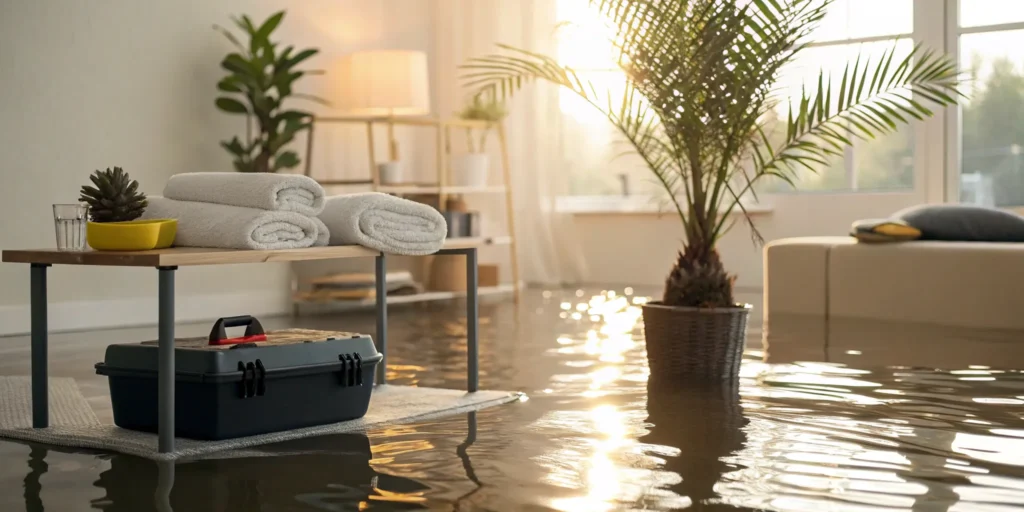
If you experience water damage, act quickly by stopping the source, removing standing water, and calling a professional restoration service to assess and repair the damage.
Why is indoor humidity a concern for water damage?
High indoor humidity can lead to condensation on walls and windows, fostering mold growth and material degradation, which contributes to water damage in homes.
What is the best way to maintain appliances to prevent water damage?
Regularly inspect and maintain home appliances, replace old units, and check for leaks to prevent potential water damage from appliance malfunctions.