You’ve spotted dark spots on your drywall or caught a whiff of that unmistakable musty smell in the bathroom. Your first instinct might be to grab a bottle of bleach and a sponge. It seems like a quick, cheap fix, right?
While the DIY spirit is admirable, and we understand the desire to save money on home repairs, mold is more than just an unsightly stain. It’s a potential health hazard that, if handled incorrectly, can spread throughout your Lake Worth home and put your family at risk. What starts as a simple cleaning project can quickly turn into a costly nightmare that affects your health, your property value, and your peace of mind.
In this guide, we’ll break down the serious dangers of DIY mold removal and explain why calling a certified professional is the safest and most effective solution for your family and your property. By the end, you’ll understand why tackling mold on your own isn’t worth the risk.
The Top 3 Dangers of DIY Mold Removal
Danger #1: Serious Health Risks from Mold Damage and Exposure
When you start scrubbing or removing mold without proper protection and containment, you’re disturbing colonies that have been quietly growing on your surfaces. This disturbance releases millions of microscopic spores into the air you and your family breathe. These tiny particles are invisible to the naked eye but can wreak havoc on your respiratory system.
Even common household molds can trigger allergic reactions, ranging from sneezing and runny nose to itchy eyes and skin rashes. For those with asthma, mold exposure can provoke severe attacks that require emergency medical attention. Prolonged exposure can lead to respiratory infections, chronic coughing, and in some cases, permanent lung damage.
The situation becomes even more serious when dealing with toxic molds like Stachybotrys chartarum, commonly known as black mold. These species produce mycotoxins, dangerous compounds that can cause neurological problems, chronic fatigue, and severe respiratory issues. While not every dark-colored mold is toxic black mold, you can’t identify it safely without proper testing.
Children, elderly family members, and anyone with compromised immune systems face the greatest risk. Their bodies are less equipped to fight off the effects of mold exposure, making what might be a minor irritation for a healthy adult a serious medical threat for vulnerable household members.
Danger #2: Making the Problem Worse by Spreading Spores
Here’s what many homeowners don’t realize: improper mold removal doesn’t eliminate the problem—it multiplies it. When you scrub mold without proper containment, you’re essentially launching millions of spores into the air like dandelion seeds in the wind. These airborne spores travel through your home via air currents, settling in new locations where moisture is present and starting fresh colonies.
Your HVAC system becomes a particularly efficient distribution network for mold spores. Once spores enter your ductwork, they circulate throughout every room in your house, turning a localized problem into a whole-home contamination. Even rooms that were previously mold-free can become infected, and you won’t see the growth until it’s already established behind walls or under floors.
The Bleach Myth: Perhaps the most dangerous misconception about mold removal is that bleach is an effective solution. While bleach may lighten or whiten the surface mold you can see, making it appear that you’ve solved the problem, it’s actually doing very little to address the real issue. On porous materials like drywall, wood, and grout, bleach cannot penetrate deep enough to reach the root structure of the mold, called mycelia. The surface may look clean, but the mold’s roots remain alive and active beneath, ready to regrow within days or weeks. Additionally, the water content in bleach solutions can actually add more moisture to the material, feeding the mold you’re trying to eliminate.
Danger #3: Failing to Fix the Source of the Moisture
This is perhaps the most critical point that DIY attempts miss: mold is never the primary problem. It’s a symptom of a larger moisture issue in your home. Mold spores are everywhere in the environment, but they only colonize and grow when they find the right conditions—namely, moisture, organic material to feed on, and the right temperature range.
Simply cleaning visible mold without addressing the underlying water problem is like mopping up a floor while the faucet is still running. You might remove what you can see today, but it will absolutely return, often more aggressively than before. The moisture source could be a slow leak in your plumbing, a roof leak that only shows up during heavy rain, poor ventilation that traps humidity, inadequate bathroom or kitchen exhaust systems, or foundation cracks that allow groundwater seepage.
Professional mold remediation specialists are trained to be detectives. They don’t just remove mold—they investigate why it’s there in the first place. Using moisture meters, thermal imaging cameras, and their expertise, they identify the source of water intrusion or humidity that allowed the mold to thrive. Without fixing this root cause, you’re destined to fight the same battle over and over, wasting time and money while your home sustains continued damage.
The Professional Advantage: What to Expect from a Certified Team
Why Lake Worth’s Climate is a Breeding Ground for Mold
If you live in Lake Worth, you’re fighting an uphill battle when it comes to mold prevention, and it has everything to do with our South Florida climate. Our region experiences some of the highest year-round humidity levels in the country, often hovering between 70-90%. This constant moisture in the air creates ideal conditions for mold growth, especially in areas with poor air circulation.
Add to this our intense rainy season and hurricane threats, and you have a perfect storm for water intrusion issues. Heavy tropical downpours can overwhelm drainage systems, cause roof leaks, and drive water through vulnerable points in your home’s exterior. Even homes that appear structurally sound can develop moisture problems during severe weather events. The combination of heat and humidity that defines Lake Worth living is exactly what mold needs to flourish.
This isn’t a problem you can simply wish away or ignore. Understanding these unique local challenges is why Lake Worth homeowners need professionals who specialize in Florida’s specific mold issues and know how to address them effectively in our climate.
The Professional Mold Remediation Services Process: Safety, Containment, and Eradication
When you hire a certified mold remediation company, you’re not just paying for someone to wipe down surfaces. You’re investing in a comprehensive, safe, and effective process that addresses the problem at its source. Here’s what professional mold removal actually involves:
Assessment & Testing: Professionals begin with a thorough inspection of your property to identify the type of mold present, the extent of contamination, and the source of moisture. They may collect samples for laboratory analysis to determine if toxic species are present and develop the appropriate remediation strategy.
Containment: Before any removal begins, the affected area is sealed off using heavy-duty plastic sheeting and sealed doorways. Professionals set up negative air pressure systems that ensure air flows into the contaminated area but not out, preventing spores from spreading to clean areas of your home during the removal process.
Safe Removal: Technicians wear proper Personal Protective Equipment (PPE), including respirators, full-body suits, and gloves. This isn’t just for show—it’s essential protection against dangerous exposure that DIY attempts completely lack.
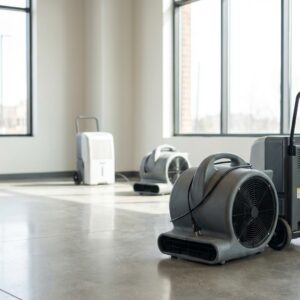
Advanced Equipment: Professional teams use HEPA (High-Efficiency Particulate Air) filtration systems, including air scrubbers that continuously filter airborne spores and HEPA vacuums that capture microscopic particles. They also deploy commercial-grade dehumidifiers to eliminate moisture and prevent regrowth.
Treatment with Proper Agents: Rather than household bleach, professionals use EPA-registered antimicrobial and antifungal agents specifically designed for mold remediation. These products are applied correctly to kill mold at its roots and prevent future growth.
Proper Disposal: Contaminated materials cannot simply be tossed in your regular trash. Professionals follow strict regulations for bagging, sealing, and disposing of mold-infested materials to prevent community contamination.
Verification: After remediation, professionals conduct post-remediation testing to verify that mold levels have returned to normal and that the space is safe for occupancy.
Frequently Asked Questions About Mold Removal
When should I definitely call a professional?
While small patches of surface mold on non-porous surfaces like tile might be handled carefully by a homeowner, you should absolutely call a professional if any of the following apply:
The mold covers an area larger than 10 square feet (roughly a 3×3 foot section). This threshold is recommended by the EPA because larger colonies require specialized equipment and containment. If you suspect mold is growing inside your HVAC system or ductwork, professional assessment and cleaning are essential to prevent whole-home contamination. Any situation involving sewage backup or contaminated water requires professional remediation due to dangerous pathogens. If family members are experiencing unexplained health symptoms like persistent coughing, headaches, or respiratory issues, the mold problem may be more extensive than visible growth suggests. When mold appears after any flooding event, whether from storms or plumbing failures, professionals should handle the remediation. If you’ve already tried DIY removal and the mold has returned, there’s an underlying problem that requires expert diagnosis.
Professional restoration services are essential for protecting your home and family’s health when dealing with significant mold issues.
What do restoration professionals use to kill mold that I can’t?
The most significant difference is that certified mold remediation specialists have access to EPA-registered biocides and antimicrobial agents specifically formulated for mold eradication. These are not available in retail stores. Unlike household bleach or general-purpose cleaners, professional-grade products are designed to penetrate porous materials and kill mold at the root level, including the mycelia that bleach leaves behind.
Additionally, professionals use encapsulants—special coatings that seal surfaces after treatment to prevent future mold growth. They understand which products are appropriate for different materials and how to apply them safely and effectively. The application method matters as much as the product itself, and professionals know how to treat mold without spreading contamination or creating health hazards.
Water damage restoration experts have specialized equipment and training that ensures thorough mold removal throughout your home.
Is professional mold remediation expensive?
It’s natural to be concerned about cost, and professional mold remediation does require an investment. However, this cost should be viewed in the proper context. The price of professional service is far less than the cost of major structural repairs if mold damage spreads unchecked through your walls, floors, and ceiling. It’s significantly less expensive than the medical bills that can result from serious mold-related illness, especially for vulnerable family members. It’s a fraction of the loss in property value you’ll face when trying to sell a home with a documented mold problem or ongoing moisture issues.
Most professional mold remediation companies offer free or low-cost inspections, allowing you to understand the scope of the problem before committing to the full service. Many homeowners insurance policies cover mold remediation under certain circumstances, particularly when it results from a covered water damage event. The investment in professional remediation provides peace of mind that the job is done right the first time, with warranties that protect you if mold returns due to incomplete remediation.
Think of it this way: you’re not just paying to remove mold. You’re paying to protect your family’s health, preserve your home’s structural integrity, maintain your property value, and solve the underlying moisture problem so it doesn’t happen again. Quality restoration services are an investment in your home’s future.
How quickly should I address water damage to prevent mold?
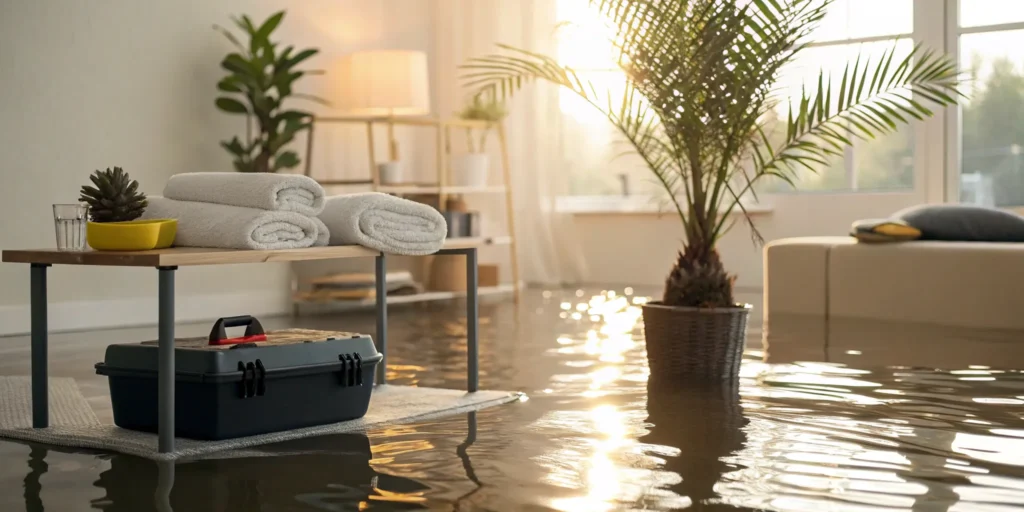
Water damage is one of the leading causes of mold growth in homes. Mold can begin developing within 24-48 hours of water exposure, which is why immediate action is crucial. Whether you’re dealing with a burst pipe, roof leak, or flooding, prompt water removal and drying are essential to prevent mold colonization.
Professional water damage restoration services have industrial-grade equipment like air movers, dehumidifiers, and moisture meters to thoroughly dry your home and prevent mold from taking hold. The longer water sits in your home, the greater the risk of extensive mold damage and costly repairs. County-wide restoration companies can respond quickly to water emergencies, providing the rapid response necessary to minimize damage and protect your property.
What areas of my home are most susceptible to mold?
Mold thrives in damp, poorly ventilated areas throughout your home. Common problem areas include bathrooms, basements, attics, crawl spaces, and areas around windows and doors. Kitchens are also vulnerable due to moisture from cooking and potential plumbing leaks. Any area that has experienced water damage, even minor leaks, can become a breeding ground for mold.
Professional restoration experts understand how mold spreads through different areas of your home and can identify hidden moisture problems that homeowners often miss. They provide comprehensive services to address not just visible mold but also hidden colonies behind walls, under flooring, and in other concealed spaces.
Can mold return after professional removal?
When performed correctly by certified professionals, mold remediation should provide long-lasting results. However, mold can return if the underlying moisture problem isn’t resolved. This is why professional restoration services don’t just remove visible mold—they identify and address the source of moisture that allowed mold to grow in the first place.
Reputable restoration companies often provide warranties on their work, guaranteeing that if mold returns due to incomplete remediation, they’ll address it at no additional cost. This protection gives homeowners peace of mind that the investment in professional services delivers lasting results for their home and family.
What’s included in professional mold restoration services?
Comprehensive mold restoration services typically include initial inspection and testing, containment to prevent mold spread during removal, air filtration using HEPA equipment, removal of contaminated materials, cleaning and treatment of affected surfaces, drying and dehumidification, and final testing to verify complete remediation.
Professional restoration companies also identify and repair the underlying water or moisture problems that caused the mold growth. This complete approach ensures that your home is not only free from mold but protected against future outbreaks. Many restoration services coordinate with insurance companies and provide detailed documentation of the damage and remediation process, making the claims process smoother for homeowners.
How do I choose the right restoration company in my county?
When selecting a restoration company to handle water damage or mold removal in your county, look for proper certifications, licensing, and insurance. Reputable companies employ certified technicians trained in industry-standard remediation protocols. They should offer free inspections, provide detailed written estimates, and explain their process clearly.
Choose a restoration company with experience handling both water damage and mold remediation, as these issues often go hand-in-hand. Local county-based companies often provide faster response times during emergencies and understand regional building codes and environmental factors that affect homes in your area. Reading reviews and asking for references can help you select a trustworthy restoration partner for your home.
Protect Your Lake Worth Home Today
Protect your family and your investment. DIY mold cleaning often makes the problem worse. Our certified team provides a complete solution for Lake Worth homes—safely removing mold and fixing the cause to prevent its return. Get true peace of mind. Contact us today.
Schedule an Inspection: 844-888-0837
Contact Us Online: Info@supercleanrestorationpb.com