When Water Damage Strikes Your Wellington Property: Understanding Your Critical Window
Water damage doesn’t announce itself politely. A burst pipe at 2 a.m., a roof leak during heavy rain, or a failed sump pump turns into a crisis within hours. We’ve responded to hundreds of Wellington properties, and the homeowners who recover fastest are those who act within the first 24 to 48 hours.
This window matters because standing water begins damaging your property immediately. Drywall absorbs moisture, wood flooring swells, and the building materials that hold your home together start degrading. Beyond the visible damage, moisture creates an environment where mold spores activate and spread. Within 48 hours, you’re no longer dealing with a water problem alone.
Most people underestimate how much water a single source can produce. A small pipe leak can saturate 100 square feet in hours. A basement with foundation cracks floods even faster. The volume determines whether you need focused extraction in one room or an industrial-scale operation across multiple levels.
We stress this timeline not to panic you, but to help you understand why immediate professional intervention matters. When you call us, we dispatch a crew within hours to assess the damage and begin extraction before secondary damage compounds your costs and recovery time.
What to do next: Keep our emergency number accessible. Don’t wait to see if the problem resolves itself, and don’t attempt large-scale water removal without professional equipment and expertise.
Why Standard Water Extraction Falls Short for Most Property Owners
Calling a standard cleaning company or attempting DIY water removal rarely solves the problem completely. Here’s why the approach usually fails.
A shop vac or standard wet vacuum removes surface water but leaves moisture trapped in walls, insulation, and structural cavities. You think the job is done because the visible puddles are gone. Two weeks later, mold appears behind the drywall. Six months later, a structural beam shows signs of rot. The damage you couldn’t see cost far more than the original water ever did.
Standard equipment also lacks the capacity for volume. A typical household vacuum holds 5 to 10 gallons before you empty it manually. Professional water extraction equipment moves 200+ gallons per hour and operates continuously without interruption.
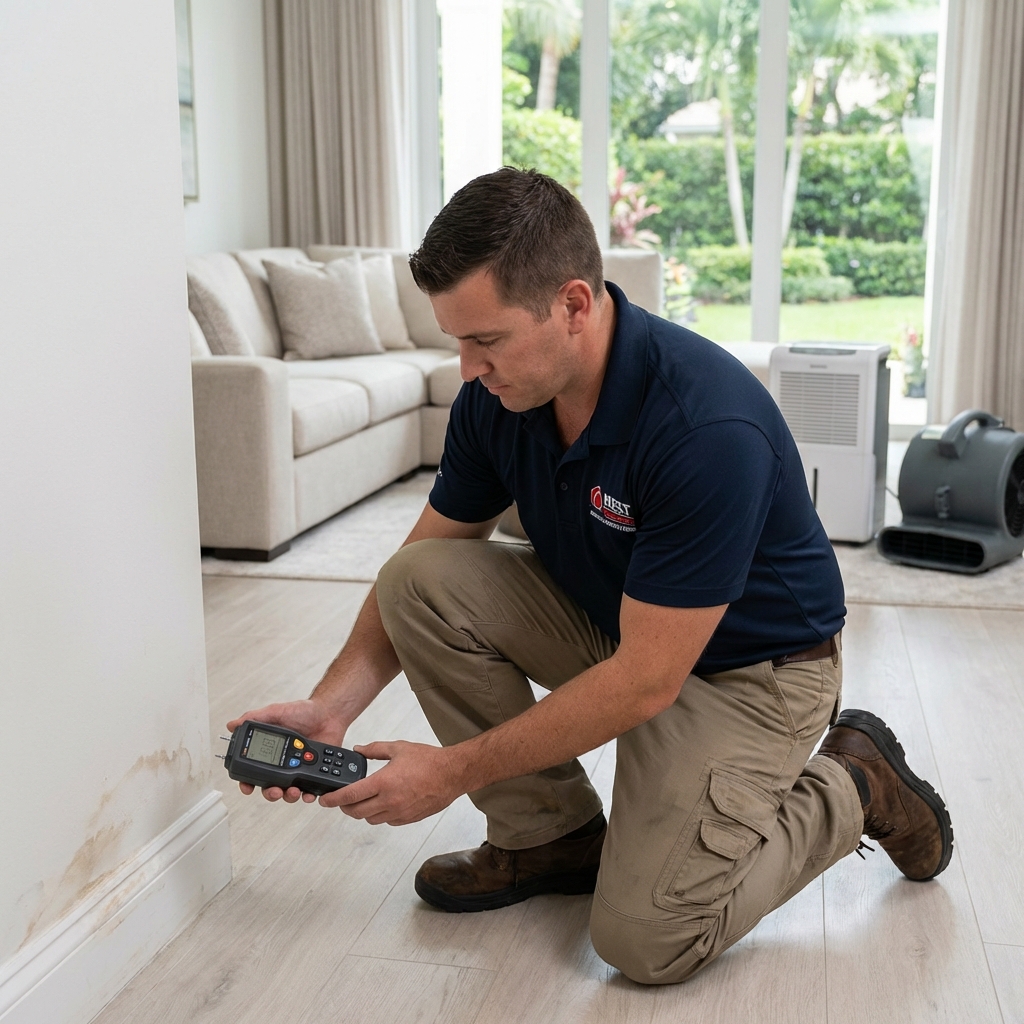
The other critical gap is moisture mapping. We use specialized meters and thermal imaging to identify where water has traveled inside your walls, under flooring, and into cavities. Most property owners and general contractors can’t detect these hidden pockets. They rely on guesswork about which materials need replacement. This leads to either wasteful over-removal of materials or underestimation that leaves moisture sources intact.
Insurance adjusters also notice the difference. When we document extraction efforts with before-and-after readings showing moisture levels returned to normal ranges, your claim approval process moves faster and with fewer disputes. DIY approaches generate documentation that doesn’t satisfy insurance requirements.
What to do next: Resist the temptation to handle water extraction yourself or rely on general contractors unfamiliar with moisture remediation standards. The upfront cost of professional extraction is considerably less than the repair bills for mold, structural damage, or flooring replacement.
How We Deliver Faster Response Times Than Competitors in Palm Beach County
Our 24/7 availability means we respond regardless of whether damage occurs during business hours or at 3 a.m. on a holiday. When you call, we dispatch the nearest available crew immediately rather than placing you on a callback list.
We’ve positioned resources across Palm Beach County specifically to serve Wellington properties quickly. Our average response time to Wellington addresses is under two hours. This matters because those first 120 minutes determine whether you contain damage or allow it to spread. Every minute counts in water restoration.
Our crews arrive with equipment pre-staged in vehicles. We don’t need to return to a warehouse to gather tools. Extraction equipment, moisture meters, drying fans, and dehumidifiers are loaded and ready. This means we start the actual water removal process immediately upon arrival rather than spending 30 minutes assembling equipment.
We also maintain relationships with insurance adjusters and contractors throughout the county. When we document damage and extraction progress, adjusters recognize our work standards and process claims faster. This coordination prevents the typical delays where a property sits waiting for multiple inspections and paperwork approvals.
Speed directly correlates with cost control. The longer water sits, the more materials require replacement, the longer your property remains unusable, and the higher your out-of-pocket expenses become. Our rapid response minimizes secondary damage and keeps your overall restoration timeline short.
What to do next: When you first notice water damage, call us immediately rather than spending time getting competing quotes. The hours you save often prevent thousands in additional damage costs.
Our Advanced Water Extraction Technology and Structural Drying Methods
We deploy equipment that far exceeds what general contractors or standard restoration companies use. Our extraction process combines multiple technologies working together.
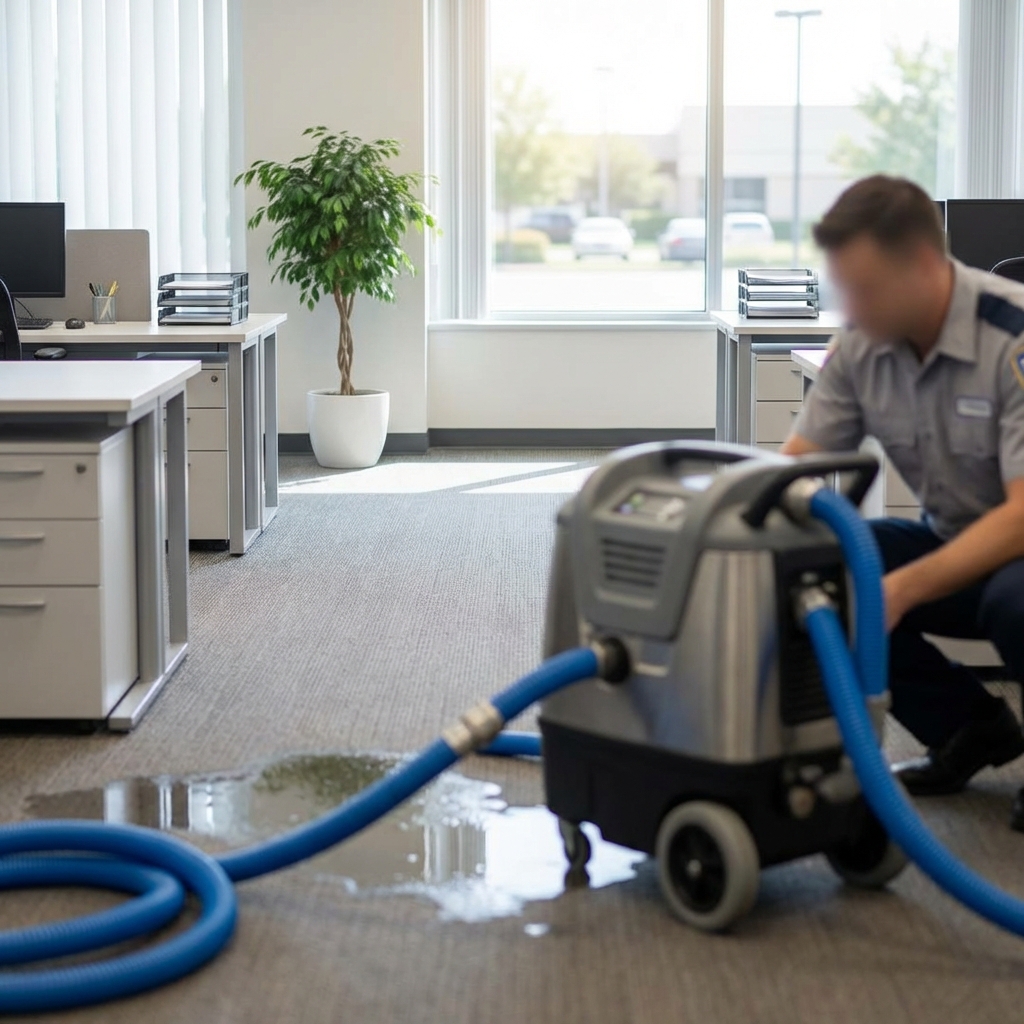
High-powered submersible pumps and portable extraction units remove standing water volume quickly. For basements or large floor areas, we position submersible pumps that pull water directly toward sump locations or out to the property perimeter. These units move thousands of gallons per day without the manual handling or repeated tank emptying that shop vacs require.
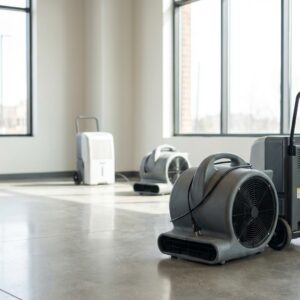
Once standing water is removed, structural drying begins. We position industrial-grade air movers and dehumidifiers to evaporate moisture from materials. Air movers force air circulation across damp surfaces and into cavities. Dehumidifiers capture the moisture-laden air and remove the water vapor, preventing it from redistributing to other areas of the property.
We use moisture detection throughout the process. Moisture meters measure drying progress in wood, drywall, and other materials. Thermal imaging identifies temperature variations that indicate moisture pockets. This data-driven approach ensures we know exactly when drying is complete rather than relying on appearance alone.
Structural drying also requires attention to building science. If you simply run dehumidifiers without air movement, moisture moves slowly and drying takes weeks. If you run only air movers without humidity control, moisture from one area moves to another, spreading the problem. We balance both elements to achieve optimal drying within days rather than weeks.
For affected insulation and cavity spaces, we often remove and replace materials if drying time would exceed three days. Fiberglass insulation holds moisture and becomes ineffective. Replacing it during restoration prevents future moisture problems and maintains your home’s thermal efficiency.
What to do next: Understand that drying timelines depend on materials affected and moisture depth. We provide written drying estimates so you know expected restoration duration upfront, and we adjust equipment deployment based on daily moisture readings.
The Real Cost of Delayed Water Damage: Mold Growth and Structural Compromise
Mold growth isn’t a cosmetic issue. It’s a biological hazard that damages your property’s structure and affects occupant health. We’ve encountered mold infestations that required removing and replacing entire wall sections because the studs had deteriorated.
Mold begins growing within 24 to 48 hours of moisture introduction if conditions remain favorable. The longer moisture persists, the deeper mold colonizes into materials. Surface-level mold appears as discoloration that might seem harmless. Deep mold growing within wall cavities and structural timber causes the real damage.
Wood-destroying fungi weaken structural integrity. Mold literally digests wood fibers, creating soft spots in load-bearing elements. We’ve documented cases where a 30-day delay in water extraction led to structural members losing 40 percent of their strength. This creates safety concerns and requires professional remediation that costs 5 to 10 times more than immediate water extraction would have.
Beyond structure, mold-contaminated HVAC systems spread spores throughout the property. Occupants breathing contaminated air experience allergic reactions, asthma exacerbation, and respiratory infections. Remediation then requires ductwork cleaning, system replacement, or both.
The financial impact extends beyond repair costs. Properties with documented mold history face disclosure requirements when selling. Insurance carriers may refuse to renew coverage. Mortgage lenders require mold clearance certificates before approving financing for purchase.
We’ve calculated that delaying professional water extraction by even one week increases overall restoration costs by an average of 30 to 40 percent when mold remediation becomes necessary. Acting immediately preserves your property’s value and safety.
What to do next: View water extraction not as an optional cleanup service but as essential damage prevention. The cost of immediate professional extraction is insurance against far more expensive structural repairs and health hazards.
How We Simplify Your Insurance Claim Process from Start to Finish
Insurance claims for water damage often become sources of frustration because documentation standards vary and adjuster expectations aren’t clear. We’ve navigated hundreds of claims and understand exactly what insurers require for approval and payment.
Our process begins with detailed loss documentation. We photograph affected areas from multiple angles, showing the extent of damage and our extraction efforts. We record before, during, and after moisture readings using calibrated equipment. We document equipment deployment and drying timelines. This documentation package is far more thorough than most adjusters receive and accelerates claim approval.
We also help you understand your coverage. Some policies cover water damage from burst pipes or storm intrusion but exclude water from foundation cracks or maintenance failures. We identify which damage falls under your coverage so you’re not surprised during claim review. If damage falls outside coverage, we inform you upfront rather than proceeding with extraction and discovering later that you’re responsible for payment.
We prepare detailed written estimates that break down extraction services, drying equipment costs, materials replacement, and remediation steps. Adjusters appreciate itemized estimates because they can evaluate reasonableness and compare to industry standards. Vague estimates often trigger additional inspections and disputes that delay payment.
When adjusters do visit, they see a professional operation with documented processes and equipment appropriate to the damage scope. This credibility accelerates approval. Adjusters are more likely to approve estimates and authorize additional work when they trust the restoration company’s assessments.
We also coordinate the claims timeline with your property’s restoration timeline. We don’t want you paying deductibles for multiple visits or dealing with timing delays between claim approval and actual restoration work. Coordinating the inspection schedule with our extraction and remediation phases keeps everything moving forward.
What to do next: Provide us with your insurance information when you call for emergency service. We’ll contact your carrier to report the loss and begin the documentation process immediately, so claim approval happens in parallel with restoration rather than after the fact.
Our Comprehensive Mold Testing and Prevention Services After Water Extraction
Water extraction removes the standing water, but preventing mold requires additional verification and remediation steps. After extraction is complete and materials have dried to normal moisture levels, we conduct air quality testing and surface testing to confirm mold isn’t present.
Air quality testing measures mold spore concentrations inside the property and compares them to outdoor baseline levels. If indoor levels exceed outdoor levels, active mold growth is likely present somewhere. This testing identifies problems that aren’t visually apparent but could develop into larger issues.
Surface testing involves collecting samples from materials that were wet or are still suspect. Laboratory analysis identifies mold species present, if any. This determines whether standard drying was sufficient or whether materials require removal and replacement.
For properties where mold is identified, we develop containment and remediation protocols. This might involve sealing off affected areas during remediation, HEPA-filtered air scrubbing during removal, and disposal of contaminated materials according to regulations. We ensure remediation doesn’t spread spores to unaffected areas.
We also implement preventative measures. This includes applying mold-inhibiting treatments to remaining materials, ensuring dehumidification equipment runs until moisture levels normalize, and improving ventilation in areas prone to moisture accumulation.
Our mold prevention recommendations address the underlying causes of moisture. This might mean recommending gutter cleaning to improve roof drainage, suggesting sump pump installation in basements, or identifying HVAC issues that cause indoor humidity to rise. We position you to avoid future water damage rather than simply addressing the current crisis.
What to do next: Request mold testing as part of your extraction and drying package rather than waiting to see if mold appears. Testing provides documentation that the property is safe and gives you peace of mind that secondary damage won’t develop after we’ve completed restoration work.
Why Wellington Homeowners Trust SuperClean for Emergency Water Restoration
Our reputation in Wellington is built on consistent performance during the moments when property owners are most stressed. Water damage creates urgency and uncertainty. Homeowners need a restoration company that shows up as promised, communicates clearly about progress and costs, and delivers results that meet professional standards.

We’ve earned trust by respecting the property owner’s situation. We understand that water damage disrupts your life and creates financial pressure. We move quickly, minimize disruption to your family or business operations, and keep costs reasonable. We don’t take advantage of emergency situations to inflate prices. Our rates are competitive because we operate efficiently and move jobs quickly rather than extending timelines to increase labor costs.
Wellington property owners also appreciate that we understand the area’s specific challenges. We know that Palm Beach County’s water table, clay soil composition, and hurricane seasons create unique restoration requirements. Our crews have experience with foundation issues common to Wellington homes. We understand which contractors and suppliers serve the area and can coordinate materials and labor efficiently.
We’re also transparent about what we can and cannot fix. If damage extends beyond water extraction and basic drying into structural issues or mold remediation, we explain clearly what’s needed and why. We don’t oversell unnecessary services, and we don’t underestimate problems that will cause bigger issues later. This honesty builds relationships that extend beyond the emergency crisis.
Our commitment extends beyond completion. We provide documentation of the work performed so you have records for future reference. We’re available for follow-up questions or additional services if secondary issues emerge.
What to do next: Ask references about our communication during their emergency. Property owners often mention responsiveness and clarity as key reasons they’d hire us again.
Getting Your Property Restored Right: Our Multi-Phase Restoration Approach
Proper water damage restoration follows a structured process, not random heroics. Each phase serves a specific purpose and builds on the previous phase.
Phase one is emergency response and damage assessment. We arrive, evaluate the water source and contamination level, and determine the scope of affected areas. We identify whether water came from clean sources (burst pipes) or contaminated sources (sewage or flood water), which determines whether remediation requires biohazard protocols. We measure water volume and saturation depth to establish equipment needs.
Phase two is water extraction and removal. We deploy appropriate equipment, remove standing water, and begin initial drying. For some properties, this phase lasts hours. For severe damage, we run equipment continuously for 24 to 48 hours. We position dehumidifiers and air movers and establish a monitoring schedule for moisture readings.
Phase three is continued drying and monitoring. We return daily to record moisture levels, adjust equipment positioning, and replace any saturated materials that won’t dry within reasonable timeframes. This phase typically lasts 3 to 10 days depending on damage severity and material types affected.
Phase four is mold testing and prevention. Once drying is complete and moisture levels return to normal, we test for mold presence. We apply preventative treatments if needed and recommend structural improvements that reduce future water damage risk.
Phase five is final cleanup and restoration. We remove extraction and drying equipment, restore affected areas to pre-damage condition, and coordinate any structural repairs or materials replacement with contractors.
Throughout all phases, we document progress with photos, moisture readings, and written reports. This documentation supports your insurance claim and provides records for future reference.
What to do next: Understand that restoration isn’t a single-day project in most cases. The phases require time for materials to dry properly. We keep you informed of timelines upfront so you can plan recovery accordingly, and we minimize disruption to your property during the process.
Contact SuperClean Restoration for Immediate Water Extraction Support
When water damage strikes your Wellington property, you need a restoration company that responds immediately and delivers professional results. We provide emergency water removal services 24/7 with crews ready to begin extraction within hours.
Our approach combines rapid response with advanced equipment and moisture remediation expertise. We move quickly to prevent secondary damage from mold and structural deterioration. We coordinate with your insurance carrier to streamline the claims process. We provide documentation and transparency so you understand exactly what’s happening to your property.
Contact us immediately when you discover water damage. Don’t delay hoping the problem resolves itself or attempting DIY removal. Those decisions cost far more in the long run. Let us handle water damage restoration professionally so your property recovers completely and safely.
Call SuperClean Restoration now for immediate water extraction support. We’re standing by 24/7.