When water damage occurs, acting quickly is crucial to minimize destruction and prevent long-term issues. Superclean Restoration emphasizes the importance of understanding the restoration timeline, as timely action can make a significant difference in recovery. In this text, we’ll walk you through each step of the water damage restoration process, explaining what to expect and how Superclean Restoration works to return your property to its pre-damage condition efficiently and effectively.
Understanding Water Damage Types
Water damage can stem from various sources, and understanding the type of damage is crucial for effective restoration. Water damage can impact a house significantly, affecting its structure and safety.
Common causes include burst pipes, leaking roofs, flooding, and appliance malfunctions. Water can seep into walls, floors, and ceilings, leading to structural issues and potential mold growth. Materials like wood and drywall are particularly vulnerable to water damage and may require special attention during restoration, as wood can rot and drywall can weaken or develop mold if not properly treated or replaced.
Common Causes of Water Damage
The most common causes of water damage include:
- Broken pipes or plumbing leaks
- Natural disasters such as floods or hurricanes
- Sewage backups
- Appliance overruns, such as washing machines and dishwashers
- Roof leaks or inadequate drainage.
Categories of Water Damage
Water is classified into three categories, which dictate how restoration is approached:
- Category 1 (Clean Water): This is water from a clean source, like a burst pipe.
- Category 2 (Gray Water): Water that contains a significant level of contaminants, such as water from dishwashers or washing machines. Category 2 water may contain harmful bacteria, so thorough cleaning and sanitization are essential during restoration.
- Category 3 (Black Water): Highly contaminated water that poses serious health risks, often originating from sewage or floodwaters. Category 3 water is likely to contain dangerous bacteria, making comprehensive cleaning and disinfection critical to eliminate health hazards.
Understanding these distinctions helps us tailor our restoration efforts appropriately.
The Initial Response Timeframe
Quick response is critical in minimizing damage from water intrusion. Quick action and speed are essential in water damage restoration, as immediate response can greatly reduce the extent of damage and significantly shorten the overall restoration timeline.
Immediate Actions to Take
When faced with water damage, the first step should be immediate:
- Shut Off Water Supply: Prevent further flooding by shutting off the main water source.
- Turn Off Electricity: To avoid electrical hazards, switch off the electricity to affected areas.
- Notify Your Insurance: Quick notification can help expedite potential claims.
- Call Professionals: Seek our 24/7 emergency water restoration services to minimize damage risk.
Engaging Professional Services
When you call us, our certified team will guide you through the initial steps to ensure safety and assess the extent of the water damage before beginning the restoration process.
Water Damage Assessment and Inspection
After addressing immediate concerns, a thorough assessment is next. This assessment also includes checking for potential structural damage caused by water intrusion, as identifying and addressing any compromised building materials is crucial for safety and preventing further issues.
Techniques for Evaluating Damage
Our inspection process involves:
- Moisture Meters: We use specialized equipment to detect hidden moisture levels in walls and floors.
- Thermal Cameras: Advanced equipment like thermal cameras helps locate water damage behind surfaces that are not visible to the naked eye.
- Visual Inspections: A comprehensive examination of the affected areas allows us to evaluate the extent of damage.
- Industry-Leading Equipment: We utilize advanced equipment, such as moisture meters and thermal cameras, to accurately assess the extent of water damage and monitor the restoration process.
Removing Standing Water
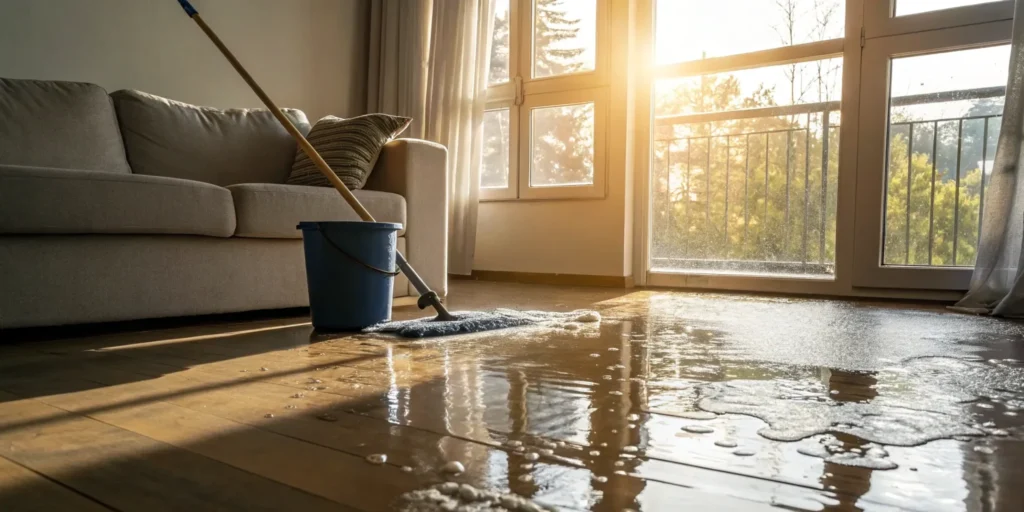
Removing standing water is one of the most urgent steps in the water damage restoration process. Standing water can quickly seep into building materials, leading to further water damage, mold growth, and even electrical hazards in affected areas. To tackle this, restoration professionals use powerful submersible pumps and industrial-grade vacuums to extract water efficiently from the property. It’s also essential to identify and fix the water source—such as a broken pipe or appliance malfunction—to prevent ongoing water intrusion. Advanced tools like moisture meters and infrared cameras help detect hidden moisture that may linger behind walls or under floors, ensuring thorough drying and reducing the risk of long-term issues. By acting quickly to remove standing water, homeowners can protect their property, minimize damage restoration costs, and prevent mold from taking hold in affected areas.
Drying and Dehumidification
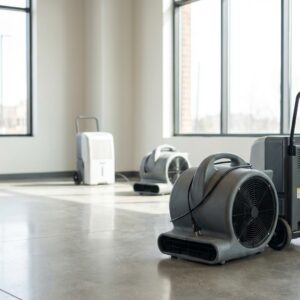
Once standing water has been removed, the drying and dehumidification phase begins. This stage is crucial in the water damage restoration process, as lingering moisture can lead to mold growth, structural weakening, and further damage to building materials. Restoration teams deploy air movers and dehumidifiers to circulate air and draw out moisture from affected areas, helping to restore normal moisture levels throughout the property. The drying process can last several days to several weeks, depending on the extent of the water damage and the types of materials involved. Throughout this period, moisture meters are used to monitor progress and ensure that all affected areas are drying properly. By carefully managing the drying process, homeowners can prevent mold growth, safeguard the integrity of their property, and set the stage for a successful restoration.
Mold Remediation
Mold remediation is a vital part of the water damage restoration process, especially if mold growth has already begun in affected areas. Mold can develop rapidly after water damage and poses significant health risks to occupants. The restoration team will first identify and contain the areas impacted by mold to prevent spores from spreading. Contaminated materials are safely removed, and antimicrobial treatments are applied to eliminate existing mold and inhibit future growth. Professional mold remediation ensures that all affected areas are thoroughly cleaned and sanitized, protecting both the property and its occupants. By addressing mold growth promptly and effectively, homeowners can avoid long-term health concerns and restore a safe, healthy environment.
Creating a Restoration Plan
Based on the assessment, we create a tailored restoration plan to address the specific needs of your property. The restoration plan prioritizes rapid water extraction and preventing mold to minimize further damage.
Steps in the Restoration Process
Our restoration phases include:
- Water Removal: Utilizing pumps and vacuums to eliminate standing water effectively.
- Drying and Dehumidification: We apply air movers and dehumidifiers to extract remaining moisture from materials.
- Minor repairs, such as patching drywall or fixing flooring, are often completed before moving on to more extensive reconstruction efforts.
Repairing and Restoring Affected Areas
After the affected areas are dried and sanitized, water damage repair and restoration of affected areas begins.
Final Inspection and Quality Assurance
Before concluding, we perform a final inspection to ensure all damage has been addressed and that your home is returned to a safe, livable condition.
Understanding the Timeline for Each Step
The water damage restoration process typically spans 7-14 days for most cases, extending longer for severe damage.
- Assessment: 1-2 hours
- Extraction: 1-3 days
- Drying: 3-7 days. Drying time can vary depending on the extent of water damage, humidity, and airflow. Opening windows can help increase air circulation and reduce drying time after water damage.
- Cleaning: 1-2 days
- Repairs: Days to weeks
Factors Influencing Restoration Duration
The total timeframe will depend on the severity of the damage, type of materials affected, local humidity levels, and the size of the area impacted.
To conclude, navigating water damage restoration can feel overwhelming, but understanding the process can make it more manageable. At SuperClean Restoration, our dedicated team is here to provide support every step of the way, ensuring your home is restored safely and effectively.
Restoration Challenges
The water damage restoration process can present a range of challenges, particularly when dealing with extensive damage or complex building materials. Several factors can influence the restoration timeline, including the extent of the water damage, the types of materials affected, and the presence of mold growth. Insurance approvals and paperwork can also introduce delays, making it important to work closely with a professional restoration team. By anticipating these challenges, homeowners can take proactive steps to prevent mold growth, reduce the risk of structural weakening, and ensure a thorough cleanup and restoration. Understanding the potential obstacles and planning accordingly helps streamline the process and leads to a more successful outcome.
Saving Time During Restoration
Time is of the essence during the water damage restoration process, and taking swift action can make a significant difference in minimizing damage and preventing long-term issues. Homeowners can save time by immediately addressing standing water, starting the drying process in affected areas, and applying antimicrobial treatments to stop mold growth before it starts. Partnering with an experienced restoration team ensures that each step is handled efficiently and professionally, further speeding up the restoration process. Simple actions like opening windows, using fans, and removing wet materials such as carpet padding can also accelerate drying and help restore the property more quickly. By acting fast and following expert guidance, homeowners can save time, reduce restoration costs, and achieve a successful recovery from water damage.
Frequently Asked Questions
What is the typical timeline for water damage restoration?
The water damage restoration process usually takes between 7 to 14 days, depending on the severity of the damage and other factors.
What are the first steps to take after experiencing water damage?
Immediately shut off the water supply, turn off electricity in affected areas, notify your insurance, and call professional restoration services for assistance.
How does the type of water damage affect the restoration process?
Water is classified into three categories: clean (Category 1), gray (Category 2), and black (Category 3). Each requires different restoration approaches due to contamination levels.
How are repairs handled after water restoration?
Once areas are dried and sanitized, repairs begin, which may involve restoring walls, flooring, and other affected structures, and the timeline can vary based on the damages.
Can I handle water damage restoration on my own?
While small leaks can be managed DIY, professional services are recommended for extensive damage to ensure safety and proper restoration compliance.
What factors can extend the duration of water damage restoration?
Factors include the severity of the damage, types of materials affected, local humidity levels, and the size of the impacted area, all influencing the restoration timeline.