Why Verification Matters After Mold Remediation
After mold remediation work is complete, you need confidence that the problem is actually solved. We understand this concern deeply because we work with homeowners and business owners across Palm Beach County who’ve invested significant time and money addressing mold damage. Verification isn’t just a final checkbox—it’s the critical step that proves the remediation was thorough and that your property is safe again.
Mold doesn’t always announce itself visibly after removal work. A contractor might report the job complete, but hidden moisture or incomplete containment during the initial remediation can leave spores behind. Those remaining spores germinate quickly in our humid Florida climate, creating a costly second round of remediation months later.
We’ve seen situations where property owners skipped verification and discovered recurrent mold growth within six months. The financial and health consequences multiply: additional restoration costs, potential structural damage, respiratory issues for occupants, and insurance complications. Verification protects your investment and your family or employees.
Beyond safety, lenders and insurance companies often require documented proof that remediation met industry standards before they’ll approve final payments or coverage. Without proper verification documentation, you may struggle to close a real estate transaction or recover insurance benefits.
Action step: Before accepting a mold remediation project completion, require your contractor to provide a detailed post-remediation mold inspection report and clearance documentation.
Understanding Mold Remediation Standards in Florida
Florida’s humidity and warm temperatures create year-round conditions for mold growth, which is why the state has specific guidance for remediation work. The Florida Department of Health collaborates with the American Industrial Hygiene Conference & Expo standards, and most professional remediators follow these benchmarks.
The core standard is straightforward: post-remediation areas should have mold spore concentrations at or below baseline (outdoor) levels. If we find elevated spore counts inside after remediation, that tells us the work wasn’t complete or new moisture has entered the structure.
Florida also requires that any mold remediation project larger than 10 square feet involve licensed contractors who follow proper containment, removal, and clearance protocols. This protects workers and prevents cross-contamination to unaffected areas. Smaller jobs still need proper technique, even if not strictly regulated.
We follow these standards rigorously because cutting corners during remediation creates liability and health risks. Our teams use HEPA-filtered equipment, containment barriers, and moisture controls that align with Florida guidelines and industry best practices.
Action step: Confirm your contractor holds proper Florida licensing and follows state-mandated containment and removal protocols before work begins.
Visual Inspection: What We Look For
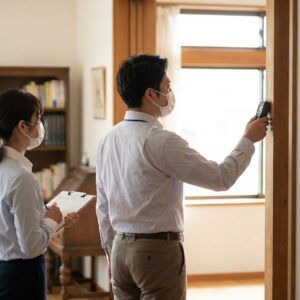
Our first verification step is always a detailed visual inspection. We examine the remediated area for signs that work was completed properly and that no new moisture sources remain.
We check several key indicators:
- Clean surfaces without visible mold or staining. Any dark patches, discoloration, or fuzzy growth means remediation didn’t reach that spot. We look especially carefully at corners, baseboards, and areas where moisture tends to collect.
- Removed and replaced materials. Porous materials like drywall, insulation, and carpet that were colonized by mold should be gone. Attempting to clean and leave them in place typically fails in Florida’s climate.
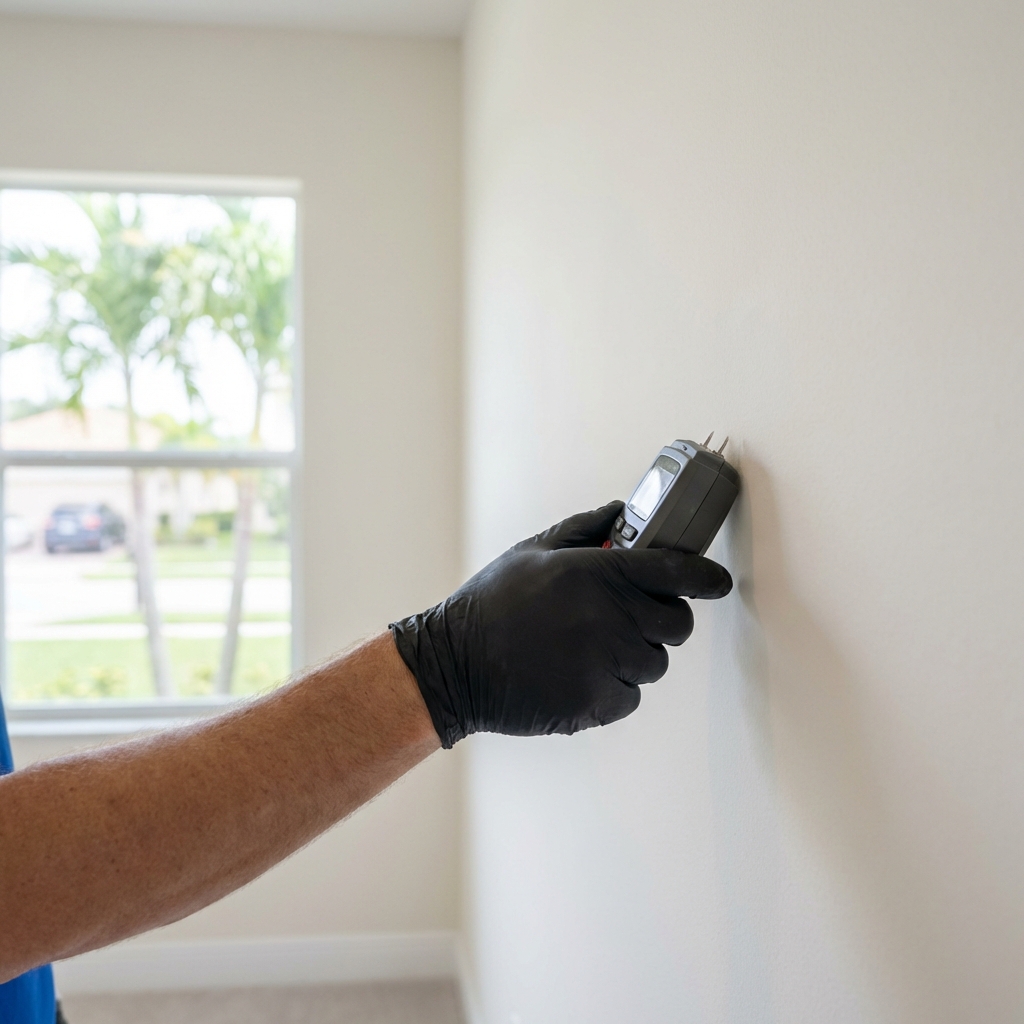
- Proper drying. Moisture meters reveal whether underlying studs, joists, or subfloors still retain dampness. Wood should read below 16% moisture content; we won’t sign off on work until it does.
- No obvious water intrusion sources. We trace back to find what caused the mold in the first place. If roof leaks, foundation cracks, or plumbing issues remain, mold will return quickly.
- Clean HVAC systems and ducts. If the mold problem involved air circulation, the air handler and ductwork must be cleaned or replaced to prevent spore spread.
Visual inspection alone doesn’t guarantee success, but it reveals obvious problems immediately. If we spot issues during visual assessment, we recommend corrective work before moving to testing.
Action step: Walk through remediated areas yourself with a flashlight and moisture meter. Look for dampness, discoloration, or musty odors—any of these warrant professional evaluation before final approval.
Professional Mold Testing and Air Quality Sampling
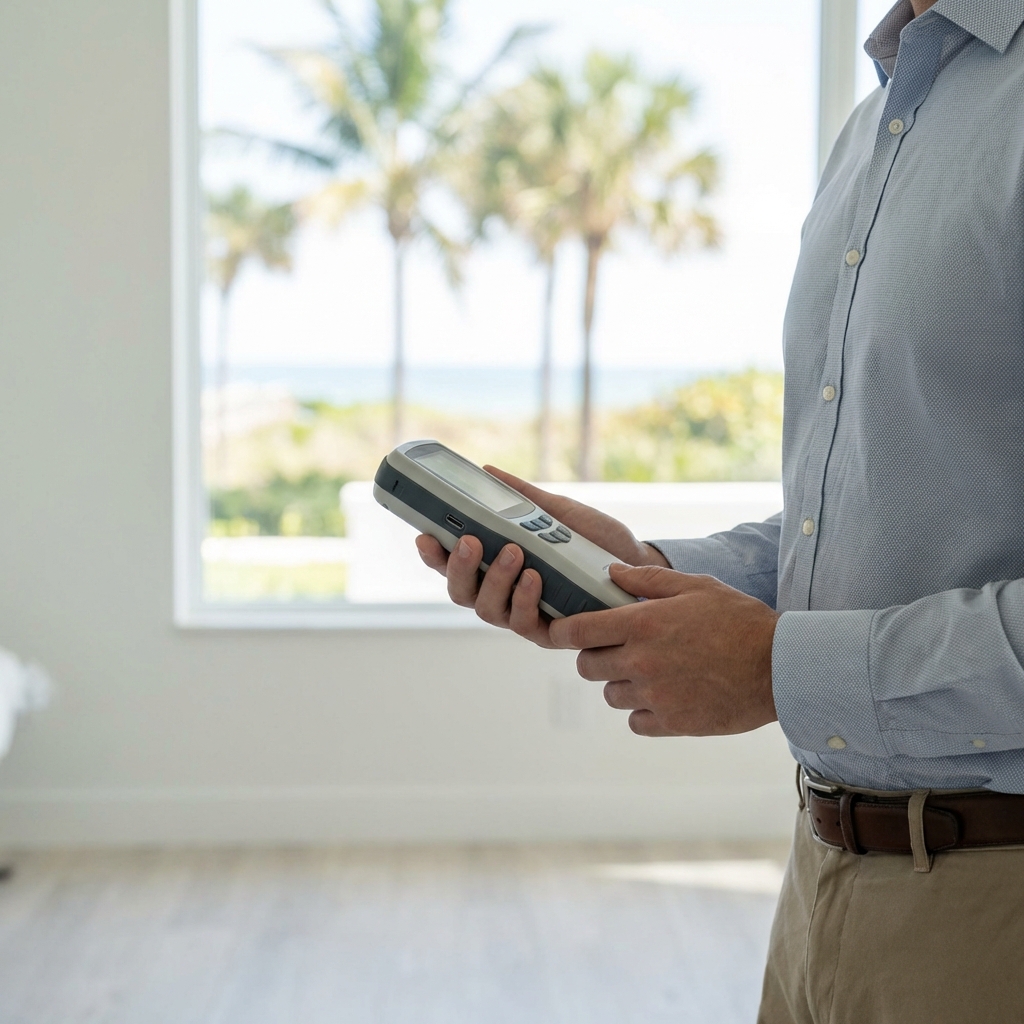
Visual inspection tells us what we can see; professional mold testing reveals what we cannot. We conduct air quality sampling both inside the remediated space and outside (as a baseline comparison) to count airborne mold spores.
We typically use two testing methods:
Air sampling draws measured volumes of air through collection devices over several minutes. These samples are analyzed in a certified lab that identifies mold species and spore counts. We compare indoor spore levels to outdoor baseline levels. Industry guidance suggests indoor spore counts should not exceed outdoor counts, and certain problematic species like Stachybotrys should be absent.
Surface sampling involves wiping or swabbing specific surfaces where mold was present. Lab analysis confirms whether viable mold remains. This is especially useful for areas we treated aggressively or spaces where moisture control is critical.
The lab results come back typically within 5-7 business days. Results above baseline or showing persistent mold species indicate incomplete remediation. We’ve found this testing critical in Palm Beach County, where humidity spikes after summer storms can activate remaining spores if underlying moisture isn’t fully controlled.
We also measure humidity levels throughout the property. Sustained indoor humidity above 60% creates conditions for mold regrowth. If post-remediation humidity remains high, we identify moisture sources or ventilation issues that need correction.
Action step: Request mold testing from an independent certified lab, not just the remediation contractor. Compare results to outdoor baseline samples collected the same day to ensure objectivity.
Reading Your Mold Inspection Report
When your lab report arrives, it should be detailed enough that you understand exactly what was tested, what was found, and whether standards were met. A vague or one-page report raises concerns.
A solid mold inspection report includes:
- Scope of work: Exactly which areas were sampled and why.
- Methodology: How samples were collected, what equipment was used, how long samples were collected.
- Lab results: Specific mold species identified, spore counts for each sample, and comparison to baseline outdoor samples.
- Moisture measurements: Humidity readings and moisture content in affected materials.
- Photos and documentation: Visual evidence of areas tested and conditions observed.
- Conclusions: Clear statement of whether remediation met post-remediation standards.
- Recommendations: Any follow-up actions needed if results fall short.
We’ve reviewed countless inspection reports where conclusions were buried or unclear. A professional report should state directly whether the property “passes” post-remediation clearance or requires additional work. Numbers alone don’t mean much to a property owner—you need expert interpretation.
Pay attention to which mold species were found. Some varieties like Aspergillus or Penicillium are common and often acceptable at low levels. Others like Stachybotrys or Fusarium are more problematic and should be absent post-remediation.
Action step: Ask your testing provider to walk you through the report and explain what each finding means for your specific property and health concerns.
Documentation and Clearance Certificates from SuperClean
Once testing confirms successful remediation, you need formal documentation. We provide a post-remediation clearance certificate that certifies our assessment and testing results.
This certificate becomes your proof of completion. You’ll need it for:

- Insurance claims: Adjusters use this to verify remediation was performed to standard before releasing final payment.
- Real estate transactions: Buyers and lenders require proof the mold problem is resolved before closing.
- Lease agreements: Commercial tenants may require documentation before occupying remediated spaces.
- Warranty claims: We stand behind our work with documented clearance.
Our clearance certificate includes our company information, the scope of remediation performed, testing results, dates of inspection, and the humidity and moisture readings at time of clearance. We sign and date everything, making it legally defensible documentation.
We also maintain detailed records of all work performed. If mold reappears within our warranty period, these records let us understand what happened and correct the root cause. Documentation creates accountability for both parties.
Action step: Don’t accept verbal confirmation of completion. Require a signed, dated clearance certificate with lab results attached before you consider the project closed.
Insurance Claims and Remediation Verification
Insurance companies won’t pay remediation claims without proof the work meets standards. Claims adjusters scrutinize remediation documentation, testing results, and contractor qualifications.
We’ve found that insurers want to see:
- Licensed contractor proof: Our Florida licenses and insurance certifications demonstrate we meet state requirements.
- Detailed scope of work: Photos and descriptions of affected areas and work performed prevent disputes later.
- Pre- and post-remediation testing: Before-and-after mold testing proves the scope of the original problem and confirms successful remediation.
- Moisture control documentation: Records showing how we controlled moisture during and after work.
- Clearance certification: The final post-remediation report and clearance certificate.
Many property owners find that carrying comprehensive documentation from day one of remediation streamlines insurance approval. We photograph conditions before work begins, document all materials removed, and test throughout the process. This evidence trail protects your claim.
We’ve also seen claims denied because mold was simply removed without addressing the moisture source. If a roof leak caused the mold, the roof must be repaired before remediation is complete. Insurance adjusters understand that any remaining water intrusion invalidates the remediation.
Action step: Provide your insurance adjuster with complete remediation documentation, including testing results and proof of moisture source repair, to prevent claim delays or denials.
Long-Term Prevention Strategies We Recommend
Successful mold remediation doesn’t end at clearance. Prevention keeps the problem from returning and protects your investment.
We recommend these ongoing measures:
- Maintain humidity below 60%. Use air conditioning and dehumidifiers, especially in bathrooms, kitchens, and basements. Smart humidity monitors alert you when levels climb.
- Ensure proper drainage around the foundation. Gutters, downspouts, and grading should direct water away from the building. We’ve seen mold return in basements simply because gutters weren’t cleaned after remediation.
- Check for and repair water leaks immediately. A small roof leak or plumbing drip seems minor until mold returns within weeks. Regular inspections catch problems early.
- Ventilate moisture-producing areas. Bathroom exhaust fans and kitchen ventilation should duct outside, not into attics. Proper ventilation prevents moisture accumulation.
- Inspect and maintain your HVAC system. Dirty filters, clogged condensate lines, and neglected air handlers become mold breeding grounds.
- Address flooding risk. If your property has flooded before, consider sump pumps, backwater valves, or improved drainage as permanent protection.
These preventive measures typically cost far less than another round of remediation. We help property owners develop customized prevention plans based on their specific property characteristics and flood or moisture history.
Action step: Create a moisture management checklist and review it quarterly, especially before rainy seasons.
Timeline: When Verification Should Occur
Timing matters for accurate mold testing. Test too soon after remediation and wet surfaces can skew results. Test too late and you lose the clear documentation of remediation quality.
We follow this timeline:
Immediately after remediation (day 1): Visual inspection confirms work was completed and materials were removed. Moisture meters verify underlying structures are dry or approaching dryness.
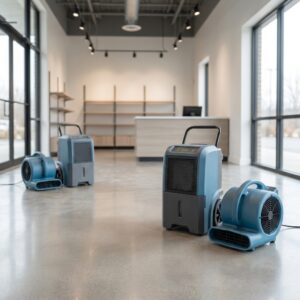
After 48-72 hours: Final moisture measurements confirm drying is complete. We want to ensure HVAC systems, dehumidifiers, and air movers have done their job.
Day 4-7 post-remediation: Mold testing and air quality sampling occur. This timing allows any residual dust from removal work to settle while still being soon enough to catch any issues before they develop.
Concurrent with testing: We photograph all areas and provide detailed documentation of remediation scope.
Day 14: Lab results arrive, and we review findings with you. If clearance is achieved, you receive our certificate. If results indicate a problem, we immediately begin corrective work.
Don’t skip verification or rush through it. Some contractors pressure property owners to accept completion without testing to save time and cost. That short-term pressure often leads to expensive problems later.
Action step: Schedule testing at least 4-7 days after remediation completion, after all drying equipment has operated fully and results will be most accurate.
Our 24/7 Verification and Testing Services
We handle remediation verification as thoroughly as the remediation itself. Our testing and clearance process follows Florida guidelines and industry best practices.
We provide:
- Professional mold inspection and assessment using calibrated equipment and trained inspectors.
- Air quality and surface sampling from certified labs, with independent baseline measurements.
- Detailed inspection reporting with clear conclusions about whether remediation met standards.
- Post-remediation clearance certificates recognized by insurers, lenders, and real estate professionals.
- Humidity and moisture testing using moisture meters that measure both surface and deep moisture.
- Documentation and record-keeping that protects you through future transactions or insurance matters.
Our 24/7 availability means we can schedule testing promptly, even after hours or on weekends. We understand that property owners need quick resolution, especially when dealing with insurance claims or property sales.
We also serve as your objective verification partner when you’ve hired another contractor for initial remediation. Our independent testing provides unbiased confirmation that work was completed successfully. Many property owners appreciate this third-party verification for peace of mind.
Our team includes certified mold inspectors and trained technicians who understand Palm Beach County’s specific climate challenges. We’ve tested hundreds of properties post-remediation and know what success looks like in our region.
When you need verified remediation success, we’re here to ensure your property is genuinely mold-free and safe. Contact us for professional mold testing and verification services that give you the documentation and confidence you need.
Action step: After any mold remediation work, schedule independent verification testing with SuperClean to confirm success and receive formal clearance documentation.