Why Mold Spreads Rapidly in Wellington Condo Environments
Mold doesn’t wait, and neither should you. When spores take hold in a Wellington condo, they multiply exponentially across surfaces, through HVAC systems, and into wall cavities within days. We’ve responded to hundreds of mold emergencies throughout Palm Beach County, and the pattern is clear: the first 48 hours determine whether you’re dealing with a contained problem or a building-wide contamination event.
Wellington’s climate and condo construction create perfect conditions for rapid mold proliferation. High humidity, aging HVAC systems, and shared ventilation between units mean mold in one apartment can quickly threaten neighboring properties. Our method focuses on fast detection, immediate containment, and systematic remediation to stop spread before it accelerates.
Condominiums in Wellington present unique challenges that accelerate mold growth compared to single-family homes. The density of shared walls, common HVAC systems, and interconnected plumbing creates multiple pathways for moisture and mold spores to travel between units.
Humidity levels in Wellington frequently exceed 70 percent, especially during rainy season. When a water intrusion event occurs, the warm, moisture-rich air doesn’t dissipate quickly in a sealed condo unit. Instead, it saturates drywall, insulation, and hidden cavities where mold thrives undetected for weeks. We’ve found active colonies behind walls that started from a single pinhole leak in a bathroom or kitchen.
Condo HVAC systems compound the problem. These centralized systems pull air from affected units and distribute spores throughout the building. A mold colony in one bedroom can seed the common hallway, neighboring apartments, and the mechanical room within days. This is why isolated spot treatment fails in condos—you must treat the source and address the entire air circulation path.
Construction practices in many Wellington condos from the 1980s and 1990s used materials that absorb and retain moisture. Older insulation batts, untreated wood framing, and low-grade vapor barriers provide ideal growing surfaces. We’ve documented mold growth rates of 500 to 1,000 spores per cubic meter in these environments, compared to normal outdoor levels of 100 to 300.
Your building’s age, maintenance history, and ventilation design directly affect how fast mold spreads. New construction with proper moisture barriers and modern HVAC filters slows proliferation. Older buildings with deferred maintenance accelerate it significantly.
Action step: Check your condo’s building history and HVAC maintenance records. Ask your property management company when the HVAC system was last serviced and whether they’ve treated any mold claims in neighboring units. This context helps us prioritize containment strategy.
The Real Costs of Delaying Mold Remediation
Many property owners hope mold will resolve on its own or attempt DIY cleanup. This delay compounds costs in three critical ways.
First, contamination expands geometrically. Mold doesn’t grow linearly; it follows an exponential curve. A small visible patch today becomes a hidden colony affecting 200 square feet of wall cavity within one week. By week three, structural materials are compromised and remediation costs have tripled. We’ve seen $4,000 problems become $25,000 disasters because owners waited to confirm whether “that smell” was really mold.
Second, structural integrity deteriorates. Mold releases enzymes that break down cellulose. Wood framing, subfloors, and drywall lose strength as the fungal colony feeds on these materials. In Wellington condos, this compromises load-bearing walls shared between units. A delayed response that takes three weeks instead of three days can mean the difference between localizing damage to one wall cavity versus requiring structural engineering assessment and replacement of floor joists or wall studs.
Third, health liability and legal exposure increase. Mold-related respiratory issues, allergies, and documented health claims create liability for condo associations and individual unit owners. Our insurance partners confirm that delayed remediation is cited in nearly 40 percent of litigation related to mold. Documented rapid response and professional remediation reduces your legal exposure significantly.
Property value impact is measurable. A condo with documented mold history, even if remediated, loses 10 to 15 percent of market value. Buyers require specialized inspections, lenders demand additional due diligence, and insurance carriers increase premiums. One property owner delayed remediation by four weeks; the condo sold for $80,000 less than comparable units in the same building.
Action step: Document any visible moisture, musty odors, or discoloration today with timestamped photos. Contact us immediately for assessment rather than monitoring the situation. Early professional confirmation costs far less than addressing a spreading colony later.
Our Immediate Assessment and Detection Process
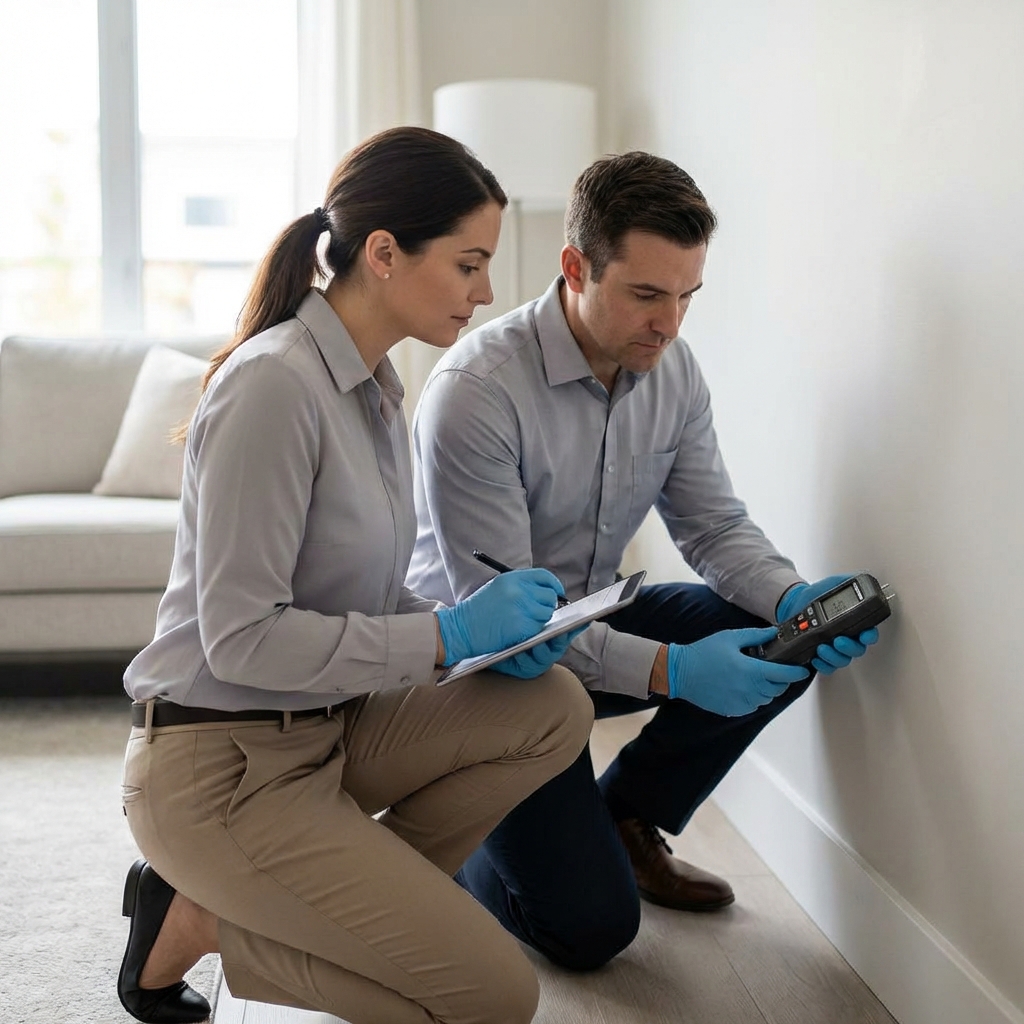
We begin every mold remediation with systematic detection, not assumptions. Our team arrives within hours of your call with moisture meters, thermal imaging cameras, and air quality testing equipment.
The initial walk-through identifies visible mold, moisture sources, and affected areas. We look beyond obvious spots. Mold hides in ceiling cavities, behind baseboards, within HVAC plenums, and inside wall cavities above shower areas. Thermal imaging reveals temperature variations that indicate moisture retention in materials. A “cold spot” in drywall often means condensation and active mold colony developing behind a seemingly dry surface.
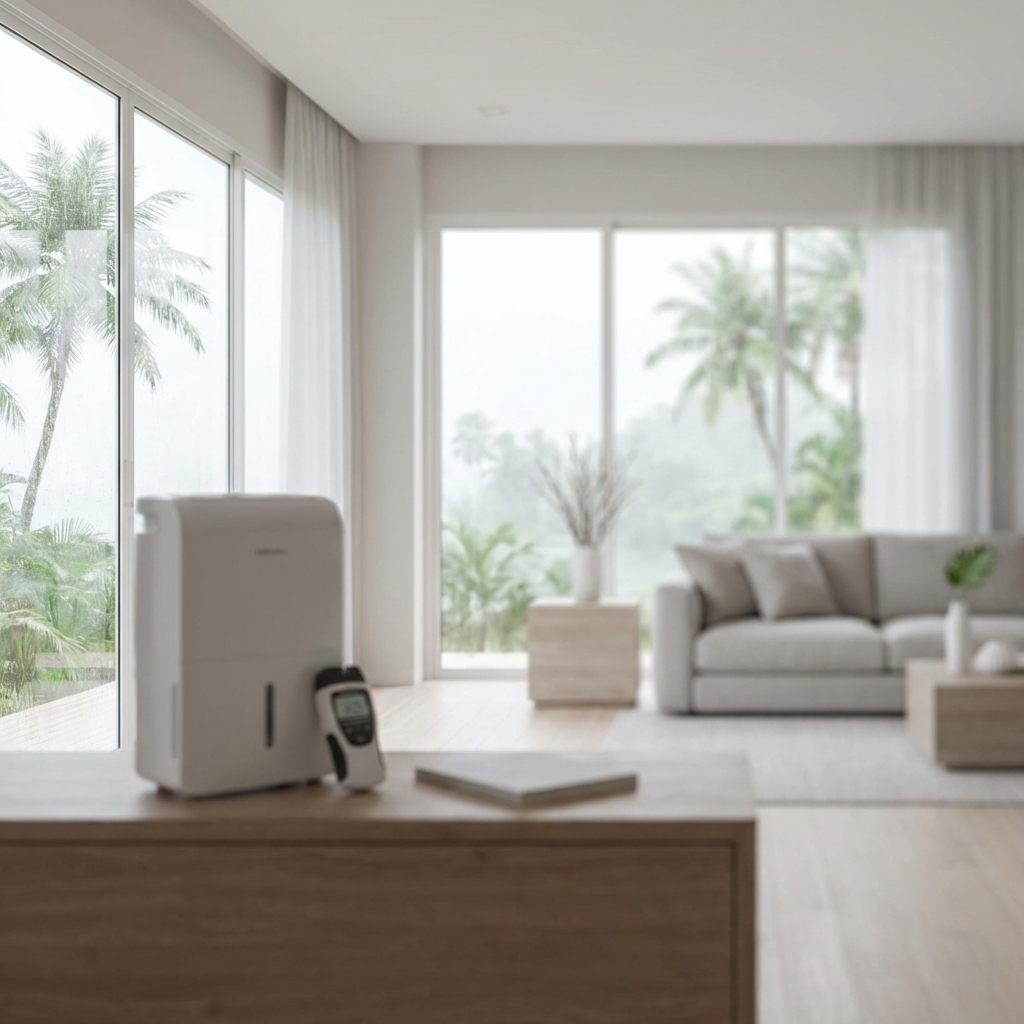
Moisture mapping determines the full extent of water intrusion. We use calibrated meters to test drywall, wood framing, insulation, and subflooring. This reveals whether moisture is surface-level (easily managed) or deep within structural cavities (requiring extensive drying). In Wellington condos, we specifically check shared wall cavities, HVAC chase spaces, and the interfaces between units.
Air quality testing measures mold spore concentration in affected areas and unaffected areas. This baseline tells us whether remediation is working and when a space is safe for reoccupancy. Some mold species produce mycotoxins at levels that require extended drying or specialized remediation protocols beyond standard cleanup.
We also assess your building’s HVAC system. Is air circulation spreading spores? Are filters trapping contamination or allowing spread? We test return air ducts, supply plenums, and damper seals. A single compromised damper in a Wellington condo can undermine remediation efforts by re-introducing contamination.
Our assessment produces a detailed written report documenting every finding, measured moisture levels, affected square footage, and recommended remediation protocol. This report becomes your insurance documentation and your remediation roadmap.
Action step: When we assess your condo, ask for moisture readings in writing and photos of affected areas. This documentation proves the extent of damage for insurance claims and protects you if future buyers question remediation quality.
How We Stop Mold Spread at the Source
Stopping mold spread requires simultaneous action on multiple fronts: containment, source elimination, and air isolation.
Containment barriers prevent spore migration during remediation. We use plastic sheeting and negative air pressure equipment to isolate affected areas. In a condo with mold in a bedroom wall, we seal the bedroom, install an air scrubber with HEPA filtration, and maintain negative pressure relative to hallways and neighboring units. This ensures spores don’t escape into common areas or travel to adjacent condos through shared walls or ventilation.
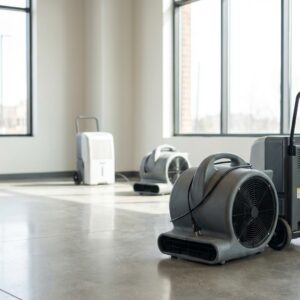
Negative air machines are critical in Wellington condos. Standard dehumidifiers and fans can actually spread spores. Our equipment uses pressure differentials to pull contaminated air into sealed collection systems rather than pushing it into clean zones. One miscalculation with improper equipment can spread mold to three neighboring units.
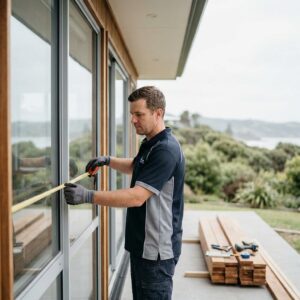
Source moisture elimination stops the mold’s fuel supply. We identify and repair water intrusion points: leaking pipes, exterior wall cracks, failed caulking around windows, roofing leaks, or HVAC condensation issues. In Wellington, we frequently find that a single condo’s plumbing problem has already affected the condo below through ceiling cavities. We coordinate with your building’s plumber and contractors to ensure the water source is closed before remediation begins.
We also address humidity control immediately. A dehumidifier running 24/7 brings ambient humidity from 70 to 80 percent down to the 40 to 50 percent range where mold cannot grow. In conjection with proper air circulation, this stops active mold colonies and prevents new growth during remediation.
Material removal follows containment and source control. Heavily colonized drywall, insulation, and subflooring must be removed. We don’t attempt to “clean and salvage” materials with extensive mold; this approach fails consistently. Once drywall has visible mold growth covering more than 30 percent of a surface, structural integrity is compromised and salvage cleaning does not meet industry standards.
Action step: Ask us specifically about the moisture source before we begin remediation. Understanding whether it’s a plumbing leak, HVAC issue, or building envelope problem helps you prevent recurrence after we finish.
Our Structural Drying and Moisture Control Methods
Drying is the invisible foundation of effective mold remediation. Incomplete drying leaves residual moisture that allows mold to re-colonize within weeks. In Wellington’s humid climate, drying demands specialized equipment and sustained effort.
We use multiple drying strategies depending on affected materials and building components. Open drying applies to accessible areas with water-damaged materials. We remove wet materials, open cavities, and position air movers and dehumidifiers to accelerate evaporation. This works for flooring, baseboards, and exposed subflooring after water extraction.
Structural drying addresses moisture trapped deep within wall cavities and framing. We drill small-diameter holes at strategic intervals (typically 12 to 18 inches apart) into cavity spaces. Injection drying equipment forces warm, dry air into these cavities, pushing moisture toward extraction points. This technique is essential in Wellington condos where moisture can hide for months in wall cavities shared between units.
Dehumidification systems run continuously until moisture levels drop to baseline. We use both refrigerant and desiccant dehumidifiers. Refrigerant units work well when ambient temperature exceeds 65 degrees (standard for Wellington). Desiccant units perform better in cooler or very humid conditions. Our team selects the appropriate equipment type based on real-time moisture and temperature data.
Monitoring happens daily during remediation. We test moisture levels in structural materials using calibrated moisture meters. Drying is not complete when materials feel dry to touch; wood framing may still contain 15 to 20 percent moisture content by weight (compared to 8 to 12 percent in normal conditions) and will remain prone to mold. We continue drying until moisture content stabilizes in the normal range for a minimum of three consecutive days.
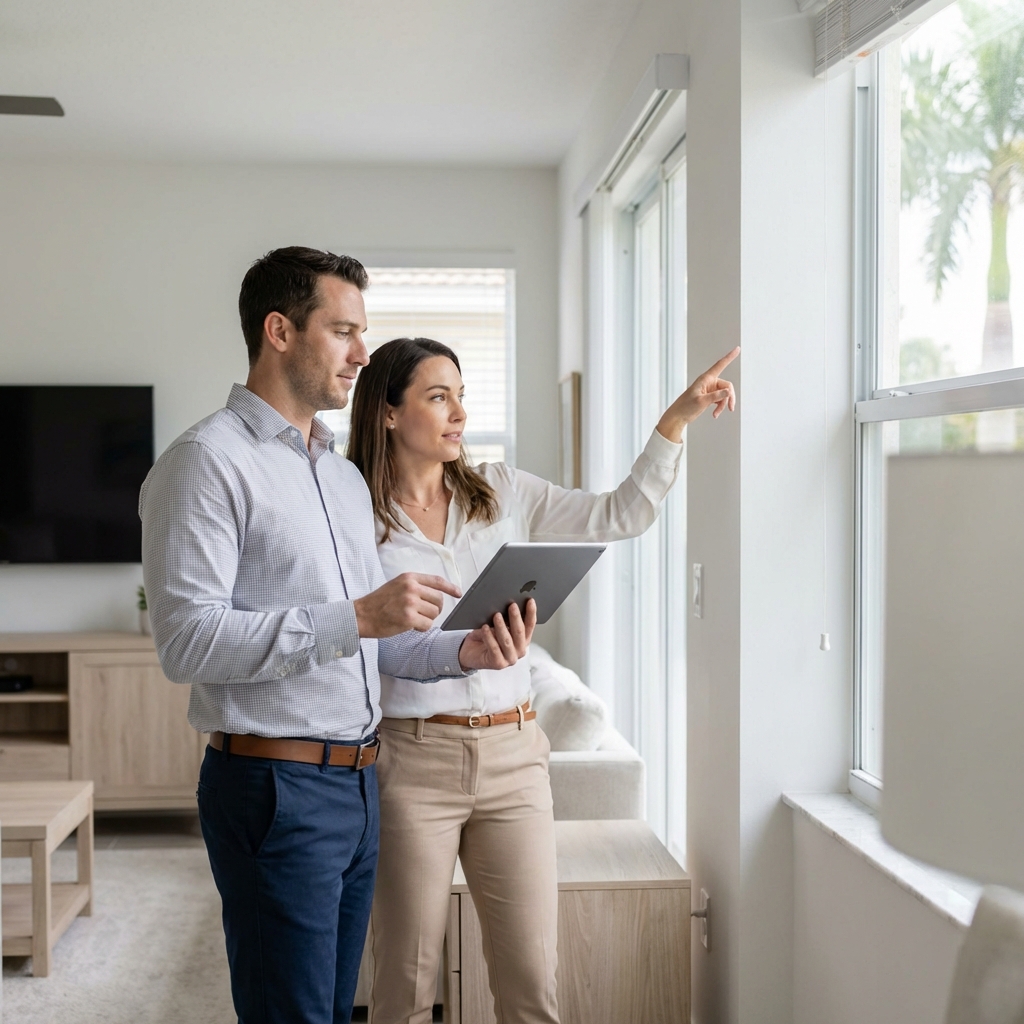
In Wellington condos, we also address HVAC system drying. Moisture in ductwork, return air plenums, and coil housings perpetuates mold growth. We clean HVAC components and install dehumidification in the mechanical room to ensure the system itself is dry before returning it to operation.
Action step: When remediation is complete, request final moisture testing documentation. This proves that structural materials reached normal moisture levels and provides evidence for insurance and future property transactions.
Professional Mold Remediation and Disinfection Services
Our mold remediation services follow industry protocols established by the Institute of Inspection, Cleaning and Restoration Certification (IICRC) and the Environmental Protection Agency (EPA).
Removal and disposal of contaminated materials happens under strict containment. We bag all mold-affected materials in heavy-duty plastic, seal the bags, and dispose of them at approved facilities. In Wellington condos, we coordinate disposal timing to minimize disturbance to neighboring units. All debris is removed through common areas or windows to prevent contamination of hallways or stairwells.
Surface cleaning and treatment begins after material removal. We use HEPA-filtered vacuum systems (not standard household vacuums, which can aerosolize spores) to clean dust and debris from remaining structural elements. Hard surfaces receive antimicrobial treatment using EPA-approved biocides selected for the specific mold species identified in our earlier testing.
HVAC system remediation includes coil cleaning, filter replacement, and duct sanitization. We use enzymatic cleaners that break down biofilm residues, preventing mold regrowth in these dark, moist spaces. A clean HVAC system is essential in Wellington condos where shared ventilation can re-contaminate a unit.
Final inspection happens after all remediation is complete. Our team performs a thorough visual inspection, moisture testing, and air quality sampling to confirm mold remediation was successful. We document that affected areas now meet normal environmental standards.
Our water and mold experts include certified mold remediation specialists and industrial hygienists. This expertise matters in condos where building codes, shared systems, and multi-unit implications complicate remediation.
Action step: Verify that the final clearance report includes air quality testing, moisture testing, and visual inspection documentation. This clearance document is required for insurance and essential if you later sell the condo.
Preventing Future Mold Growth in Your Wellington Condo
Once remediation is complete, prevention focuses on controlling the two factors mold requires: moisture and food (organic materials).
Moisture control begins with your HVAC system. Set your air conditioning to maintain interior humidity between 30 and 50 percent year-round. In Wellington, this means running AC even on mild days to dehumidify rather than opening windows during rainy season. Upgrading to a system with a dedicated dehumidification function provides better control than standard thermostats.
Bathroom ventilation is critical. Mold thrives in bathrooms because shower steam creates ideal humidity. Install exhaust fans in all bathrooms and run them for 20 to 30 minutes after each shower. Ensure fans are ducted to the exterior, not into attic spaces or wall cavities. Many Wellington condo bathroom exhaust systems are compromised or poorly maintained; have yours inspected to confirm it’s functioning properly.
Kitchen ventilation matters equally. Cooking steam, dishwasher moisture, and refrigerator condensation all contribute to humidity. Use range hoods when cooking and ensure they vent outside your unit, not into common areas.
Plumbing inspection prevents the water intrusions that started this problem. Request annual inspection of under-sink plumbing, toilet wax rings, and water supply connections. A small slow leak is far cheaper to fix than the mold remediation it causes. In Wellington condos, ask your property management whether water damage in your unit or neighboring units has been documented. This pattern indicates building-wide vulnerability that may require structural improvements.
Caulking and sealants need regular attention. Check around tub and shower enclosures, bathroom tiles, and kitchen counters. Cracked or missing caulk allows water into wall cavities. Re-caulk any compromised areas annually.
Material choices matter for future-proofing. When replacing flooring or drywall, choose mold-resistant materials. Fiber cement board resists mold better than standard drywall in high-moisture areas. Cork or luxury vinyl plank flooring outperforms carpet in bathrooms and kitchens.
Action step: Schedule a professional HVAC inspection to verify your system includes dehumidification capability. Upgrade humidity settings today; this single change prevents 60 to 70 percent of residential mold recurrence.
Why Our 24/7 Emergency Response Matters
Mold spread doesn’t follow business hours. A water intrusion event that occurs on Saturday night requires response before Sunday afternoon if spread is to be prevented. We maintain 24/7 emergency response specifically because those first hours determine whether remediation is straightforward or catastrophic.
Our dispatch system routes emergency calls to the nearest available technician. In Wellington, our average response time is 45 minutes from call to arrival, day or night. This speed allows us to begin containment, start dehumidification, and assess the situation before mold colonies exponentially expand.
During off-hours, we don’t transfer you to an answering service. Our techs respond directly. You describe the situation (visible mold, musty smell, water intrusion) and we provide immediate guidance: turn off HVAC systems to prevent spread, open windows if humidity permits, and stay clear of affected areas. We then dispatch a team immediately.
Wellington condo emergencies often involve coordination with property management, building maintenance, and neighboring unit occupants. Our experience in multi-unit properties means we understand these complicating factors. We know how to communicate with management, protect neighboring units, and manage remediation in shared spaces. Typical water damage restoration companies treating your condo as a single-unit job often create secondary problems in adjacent units.
Our equipment is pre-positioned and ready to deploy. We don’t order dehumidifiers or air scrubbers after you call; our trucks carry this equipment. This readiness means containment begins within hours, not days.
Insurance companies recognize the importance of rapid response. Adjusters document faster mold spread in cases where response was delayed, supporting higher claim denials or reduced settlements. Our documented response times and containment protocols strengthen your insurance position.
Action step: Save our emergency number in your phone today. When a water emergency occurs, call immediately rather than assessing whether it “really needs professional help.” Early calls prevent most emergencies from becoming disasters.
Insurance Claim Support Throughout the Process
We manage the administrative burden of mold remediation claims, which is often as important as the physical remediation itself.
Our assessment report is formatted specifically for insurance submission. It documents affected areas, square footage, moisture readings, mold species if identified, and recommended remediation with itemized costs. Adjusters review thousands of reports annually; ours are designed for clarity and completeness, reducing requests for additional documentation.
We coordinate directly with your insurance company. Our team submits reports, answers adjuster questions, and provides evidence of moisture sources and remediation completion. You don’t navigate this process alone while also managing containment and remediation.
For complicated claims or disputes over coverage scope, we provide expert consultation. If an adjuster questions whether mold spread from an “excluded” source (like flooding) or a “covered” source (like a burst pipe), our documentation clarifies the origin and progression. We’ve resolved dozens of coverage disputes by providing detailed moisture mapping and timeline evidence.
Documentation throughout remediation matters for dispute resolution. We photograph affected areas before work, during material removal, and after remediation completion. This visual evidence demonstrates that remediation addressed the full extent of contamination.
Mold testing costs are sometimes disputed by insurers. We specify which tests are necessary for your particular situation and help you understand whether your policy covers testing. Some policies require pre-remediation testing; others only cover post-remediation clearance testing. Our team ensures you meet policy requirements.
Finally, we provide property owners with clear cost breakdowns. Remediation itemizes labor, materials, equipment, disposal, and testing. This transparency helps you understand charges and supports insurance documentation.
Action step: Contact your insurance agent before remediation begins to clarify coverage limits, deductibles, and required documentation. Provide our assessment report to your adjuster immediately; early involvement prevents coverage disputes later.
—
Mold spread in Wellington condos demands speed, expertise, and systematic containment. The first 48 hours determine whether you’re managing a localized problem or a building-wide contamination. We’re equipped to respond immediately, assess comprehensively, and remediate completely using methods proven across hundreds of Palm Beach County properties.
If you suspect mold growth or have experienced water intrusion, don’t delay. Call us for immediate assessment and begin remediation before spread accelerates. Our 24/7 team is ready to stop mold where it starts.