Why Insurance Claims Matter When Water Damage Strikes
Water damage doesn’t just harm your property. It threatens your finances, timeline, and peace of mind. When a pipe bursts, a hurricane hits, or flooding occurs, the damage assessment and insurance claim process can feel as overwhelming as the disaster itself.
We understand this pressure. That’s why we’ve built our entire operation around not just fixing the damage, but making the insurance claim process transparent and manageable for our clients throughout Palm Beach County.
The difference between a smooth insurance claim and a denied one often comes down to documentation and timing. Your insurance company needs evidence. They need professional assessment. They need to understand exactly what happened, what was damaged, and what it will cost to restore.
Without solid documentation from the moment we arrive, you risk significant financial loss. A claim denial means you’re paying out of pocket for restoration work that can easily cost $10,000 to $100,000 or more. Even partial denials create gaps in coverage that leave you underprotected.
We treat insurance documentation as seriously as the restoration work itself. When you call us for Palm Beach restoration services, we’re not just showing up to remove water and dry walls. We’re beginning a detailed record that protects your claim from the start.
What to do next: Don’t wait to contact your insurance company or us. The first 24 hours are critical for preserving evidence and establishing a timeline of damage.
The Challenges Property Owners Face With Insurance Documentation
Most property owners aren’t equipped to document water damage the way insurers expect. You’re stressed, your home is damaged, and now you’re supposed to photograph, measure, and document everything while water is still actively destroying materials.
Here’s what we typically see:
- Homeowners take blurry photos with their phones that don’t clearly show the extent of damage
- Photos are taken days later, after some drying has occurred, making the severity appear less than it was
- No baseline documentation of affected areas before cleanup begins
- Vague descriptions of damage instead of specific, measurable details
- Missing documentation of personal property damage within affected rooms
- No professional assessment linking the damage to a specific cause
Insurance adjusters are trained to evaluate claims critically. They’ve seen fraudulent claims and legitimate ones. Without professional documentation, they may assign lower damage estimates or question whether the damage was truly sudden and accidental. This skepticism can translate to reduced payouts.
The emotional toll is just as real. You’re navigating a stressful situation while trying to remember details, gather receipts, and communicate with multiple parties. Many property owners end up accepting lower settlements simply because the process is too exhausting to fight.
What to do next: When water damage occurs, document the immediate scene with your phone if you can do so safely, but know that professional assessment will carry far more weight with your insurer.
How We Streamline Your Claims Process
We’ve designed our response specifically around the insurance claim process. When you contact us, we start by gathering critical information: when the damage occurred, what caused it, what areas are affected, and what your insurance situation is.
Our team arrives with professional equipment and trained eyes. We take high-resolution photographs and video of all affected areas, including wide shots for context and close-ups showing specific damage. We document conditions both before and after initial water removal, because insurers need to understand the severity at the moment we arrived.
We create a detailed inventory of affected materials and contents. We measure affected square footage precisely. We test for moisture levels and document them. We identify any secondary damage like mold growth or structural issues that may have developed. All of this becomes part of your claim file.
We also provide you with a comprehensive damage report that’s written in clear language, not industry jargon. You’ll understand what happened, what was affected, and why the restoration approach we’re taking is necessary. This report becomes a powerful document when you submit your claim.

Throughout the restoration process, we maintain detailed work logs. We photograph progress at key stages. We document all materials removed and all work completed. This creates an undeniable record of scope and effort that supports your claim value.
What to do next: Call us immediately when water damage occurs. The sooner we document the scene, the stronger your claim position becomes.
Our 24/7 Emergency Response and Documentation Services
Damage doesn’t respect business hours. That’s why we operate 24/7, and documentation begins the moment our team reaches your property.
Our emergency response protocol includes immediate assessment and photo documentation before any restoration work begins. We understand that insurance adjusters need to see the damage as it existed, not how it looked after we’ve removed water and started drying. This sequence matters tremendously for claim credibility.
When you call us in the middle of the night after discovering flooding, we’re not putting documentation on a back burner. Our technician photographs the damage using professional equipment that captures detail your phone camera cannot. We document water lines on walls, saturation patterns on flooring, and damage to personal property. We take notes about the cause of the damage and any contributing factors.
This immediate documentation serves multiple purposes. It protects your insurance claim, helps us plan the restoration scope accurately, and ensures we’re not missing any damage that might become apparent later. We’ve seen countless situations where initial assessments missed secondary damage that would have been covered if discovered during the initial documentation phase.
For commercial properties, the stakes are even higher. Business interruption losses, inventory damage, and structural concerns all need meticulous documentation. We coordinate with your facilities team, photograph occupied and unoccupied spaces identically, and create detailed scope documents that your adjuster can review.
What to do next: Keep our 24/7 number handy. Call us before or immediately after calling your insurance company, so you get professional documentation done quickly.
Working Directly With Your Insurance Company
We’ve worked with virtually every major insurance carrier operating in South Florida. We understand their documentation requirements, their adjustment processes, and what information they find most credible.
We can communicate directly with your insurance adjuster if you authorize us to do so. This doesn’t replace your role, but it adds professional verification. When your adjuster has questions about scope, materials, or restoration techniques, they can speak directly with our team rather than relying on your recollection under stress.
We provide your adjuster with our detailed reports and photo documentation. We explain our restoration approach and why specific techniques are necessary. If an adjuster questions any aspect of the claim, we can provide professional justification backed by industry standards and our experience.
We also flag potential coverage issues early. If we identify damage that might be covered under a different part of your policy, or if we notice something that could affect your claim, we tell you so you can discuss it with your adjuster or agent. This proactive approach prevents claims from being denied due to technicalities discovered late in the process.
For larger claims or complex damage scenarios, we sometimes attend the adjuster’s inspection. This allows us to walk through the property together, answer questions in real-time, and ensure the adjuster understands the full scope of damage and restoration needs.
What to do next: Provide us with your insurance company’s name and policy number when you call. This helps us hit the ground running and coordinate efficiently.
Navigating Coverage for Water Damage, Mold, and Hurricane Damage
Not all water damage is created equal in the eyes of insurers. This matters for your claim.
Sudden, accidental water damage from burst pipes or appliance failures is typically covered by standard homeowners policies. Flooding from hurricane surge or heavy rain is usually not covered and requires separate flood insurance. Mold remediation coverage varies significantly depending on your policy.
We see the coverage landscape clearly because we deal with insurance adjusters constantly. We know which types of damage typically get approved and which ones often face denial. When we assess your property, we help identify damage by category so your claim submission is organized logically.

For hurricane damage, we have specific expertise. We document wind damage, water intrusion from compromised roofing or windows, and secondary damage that resulted from the storm. We understand that hurricane claims often face increased scrutiny, so we’re meticulous about documenting causation. If a window failed due to wind impact and water entered subsequently, we show that sequence clearly.
Mold damage has its own complexity. Many standard policies exclude mold unless it resulted from a covered water loss. We document whether mold is secondary to a water damage event (likely covered) or primary growth from moisture exposure (often not covered). We test for mold presence and identify affected areas precisely. This technical information becomes crucial when adjusters make coverage decisions.
When you have multiple damage types, we coordinate the claim to present each category appropriately. A hurricane might cause both wind damage (covered) and flooding (not covered under standard policy). We help your adjuster and insurer understand these distinctions clearly.
What to do next: Review your insurance policy before damage occurs. Understand whether you have flood coverage and what your mold coverage actually includes. Ask us questions if anything is unclear.
What We Document for Your Insurance Company
Our documentation package is thorough and designed specifically for claim review. Here’s what gets included:
Initial Assessment Report: This describes the property condition when we arrived, the apparent cause of damage, and affected areas. We photograph every damaged room from multiple angles, showing overall conditions and specific details.
Moisture and Environmental Data: We document moisture levels in affected materials using calibrated meters. We record humidity levels and air temperature. We photograph any visible mold growth or discoloration. We test for mold if conditions suggest it may be present.
Work Logs and Photographic Progress: As we work, we document what materials we removed, what we discovered during removal, and what equipment we deployed. We photograph the property at key restoration stages so your adjuster understands the full scope of what was required.
Detailed Inventory: For personal property damage, we list affected items, their condition, and estimated replacement cost when relevant. We photograph damaged belongings in place before removal.
Material Specifications and Pricing: We document what materials we used during restoration and their cost. We explain why specific products were necessary (mold-resistant drywall, antimicrobial treatments, etc.).
Timeline Documentation: Everything is dated and timestamped. Your adjuster can see exactly when we arrived, when specific work occurred, and when restoration was completed.
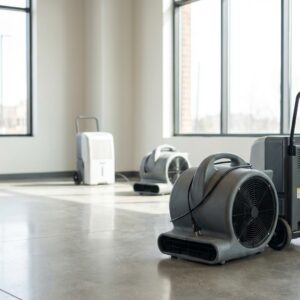
Equipment and Labor Records: We document what equipment was deployed (dehumidifiers, air movers, extractors) and for how long. We explain why this equipment was necessary for proper restoration.
All of this goes into your claim file. It’s not excessive or padded. It’s the professional documentation that insurance adjusters expect when reviewing significant claims.
What to do next: Ask us for a copy of our documentation once restoration is complete. Having your own copy helps when communicating with your adjuster or if questions arise later.
Preventing Claim Denials Through Professional Assessment
Claim denials typically occur for specific reasons: inadequate documentation, perceived misrepresentation, exclusions in coverage, or disputes over causation. Professional assessment prevents most of these problems.
When we assess damage, we identify the actual cause. Was this a sudden burst pipe (covered) or chronic slow leak (typically not covered)? Professional observation and testing reveals the truth. We document evidence showing causation clearly. Adjusters respect this objectivity.
We also identify coverage issues early. If damage appears to involve mold beyond what might be covered, we tell you and your adjuster upfront rather than having it discovered later as a surprise. We explain coverage questions in writing so everyone understands the potential issues.

We avoid scope creep that weakens claims. We only document and claim damage that’s genuinely present. We don’t exaggerate or claim secondary damage that’s unrelated to the original loss. This integrity strengthens your credibility with your adjuster.
For complex situations, we provide technical explanation. If a homeowner mistakenly believes flooding constitutes a covered loss, we explain why their flood policy applies instead of their homeowners policy. If they ask us to claim damage that occurred before the incident, we decline and explain why that would constitute misrepresentation. This professional stance actually protects them.
We also document preventive measures taken. If we installed temporary protection to prevent further damage, we photograph and explain it. If we dried out materials that could have been permanently damaged, we document that effort. Adjusters recognize and value this proactive damage mitigation.
What to do next: Be honest with us about what happened. The more accurate information we have, the stronger your claim position becomes.
Our Track Record With Palm Beach Insurance Claims
We’ve handled thousands of insurance claims throughout Palm Beach County. This experience informs everything we do.
We’ve worked with property owners who faced initial denial letters, and we helped them appeal by providing documentation so thorough that insurers reversed their decisions. We’ve worked with adjusters who came to the property skeptical and left convinced by the professional evidence we’d gathered. We’ve coordinated complex commercial claims worth hundreds of thousands of dollars.
Our clients rarely face claim disputes because our documentation is solid. When adjusters review our reports and photographs, they see a professional operation that documents carefully and honestly. This reputation means our assessments are taken seriously.
We’ve also seen patterns across Palm Beach. We know which insurance companies are typically thorough and which ones look for reasons to deny claims. We understand how hurricane claims are handled differently from water damage claims in this region. We know the seasonal patterns that affect mold development in our humid climate.
This local knowledge helps us serve you better. We know what documentation your specific insurer will require. We know what questions they’ll ask. We prepare for these predictable issues upfront.
Our goal isn’t just to restore your property. It’s to restore your property in a way that your insurance company fully covers. When we succeed at that, you’re made whole. When we fail, you end up paying out of pocket for part of the damage.
What to do next: Ask us for references from other Palm Beach property owners who’ve used our insurance claim assistance. Their experiences will tell you what to expect.
Next Steps to Protect Your Property and Coverage
If water damage, mold, or storm damage has occurred, take action now. The longer you wait, the more secondary damage develops and the weaker your documentation becomes.
Call us immediately at 24/7. Describe what happened and what you’re seeing. We’ll dispatch a team to your property, assess the damage, and begin documentation right away. We’ll explain what we find and what the restoration process will involve. We’ll answer your questions about insurance coverage and claims.
Before that call, if you haven’t already, contact your insurance company and file a claim. Provide them with your policy number and a basic description of what happened. You don’t need to have every detail perfect. The claim just needs to be opened on record. This establishes your timeline and gets an adjuster assigned.
During our assessment, we’ll discuss your insurance situation. We’ll explain what we’re documenting and why. We’ll answer questions about what your policy likely covers. We’ll coordinate our restoration timeline with your adjuster’s inspection schedule if possible.
As we work, we’ll keep you informed of progress and any issues that arise. If we discover damage beyond the initial assessment, we’ll document it and notify you and your adjuster. If we identify anything that might affect your claim, we’ll discuss it with you immediately.
Finally, once restoration is complete, we’ll provide you with our comprehensive documentation package. You’ll have photos, reports, work logs, and all the evidence you need if questions arise later or if you need to appeal a claim decision.
We’re here to make this process as straightforward as possible. Water damage and storm damage are stressful enough without the insurance claim process adding to your burden. Let us handle the professional documentation side of things so you can focus on what matters: getting your property and life back to normal.