Why Structural Drying Challenges Intensify in Palm Beach’s High Humidity
Water damage in Palm Beach County doesn’t follow the same playbook as restoration elsewhere. Your enemy isn’t just the standing water or the visible moisture—it’s the relentless humidity that makes our climate uniquely challenging for drying. When a pipe bursts, a roof leaks, or storm surge floods your property, the moisture doesn’t simply evaporate in our 80+ percent humidity environment. Instead, it migrates deeper into structural materials, creating conditions where mold thrives and wood deteriorates rapidly.
We’ve restored hundreds of properties across Palm Beach County, and we’ve learned that standard drying timelines from textbooks simply don’t apply here. The structural drying time in Palm Beach depends on factors most restoration companies outside our region don’t fully account for. We understand these nuances because we live in them every day.
Palm Beach’s subtropical climate creates a moisture-rich environment that complicates every aspect of structural drying. Our average humidity hovers between 70 and 85 percent year-round, and during our wet season and hurricane months, it climbs even higher. This ambient moisture means that even after we remove standing water, the air itself is already saturated with water vapor.
When structural materials get wet, they don’t dry through simple evaporation. Water trapped in drywall, wood framing, insulation, and concrete needs to move from areas of higher moisture concentration to areas of lower concentration. In dry climates, this happens naturally. Here, the outdoor air offers minimal “drying potential” because it’s already moisture-laden. This is where most DIY efforts fail—homeowners open windows and run fans, but they’re essentially pulling in air that can’t absorb additional moisture.
We’ve seen situations where inadequate drying led to structural damage that cost property owners significantly more than professional restoration would have. Mold colonization typically begins within 24-48 hours, but in our humidity, hidden moisture in walls can remain undetected for weeks before problems become visible. By then, the remediation scope has multiplied.
The challenge extends beyond just the drying itself. Our summer heat and afternoon thunderstorms mean that afternoon humidity spikes can actually add moisture back into partially dried materials. This cycle of partial drying and reabsorption is something we factor into our approach, but most property owners attempting DIY restoration don’t anticipate it.
How We Assess Your Property’s Drying Timeline
Every water damage scenario is different, and we begin with a comprehensive assessment that determines realistic drying timelines for your specific situation. This isn’t a guessing game—we measure what’s actually happening inside your walls and materials.
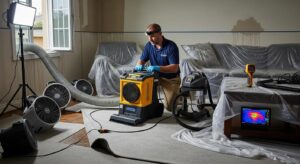
Our assessment process starts with moisture mapping. We use non-invasive moisture meters and thermal imaging cameras to determine exactly which areas are affected and how deep the moisture has penetrated. A moisture meter reading of 12-16 percent for wood is normal; anything above 20 percent indicates active drying is needed. We document these baselines so we can track actual progress rather than assuming standard timelines.
We evaluate several key factors:
- Material composition (drywall retains moisture differently than plaster or concrete)
- Wall construction (cavity walls, insulation type, vapor barriers all affect drying rate)
- Affected area size and geometry (a small closet dries faster than a large open room)
- Current moisture levels versus safe equilibrium levels (typically 12-15 percent for most materials)
- HVAC system capacity and condition
- Exterior weather patterns and forecast (rain extending dry times, clear days accelerating progress)
From this assessment, we project realistic timelines. A typical residential water damage affecting one room might take 3-7 days with professional equipment. Larger commercial properties or those with significant structural saturation might require 2-3 weeks or longer. We communicate these projections honestly because compressed timelines lead to incomplete drying, which creates liability for secondary damage.
This assessment also identifies whether we’re dealing with category 1 water (clean water from supply lines) or category 2-3 water (contaminated sources), which affects not just drying but also disinfection protocols and urgency levels.
Our Advanced Dehumidification Technology Solutions
Dehumidification is the cornerstone of effective structural drying in Palm Beach’s climate, and we employ equipment specifically selected for high-humidity environments. Standard household dehumidifiers are designed for comfort applications and move roughly 50-70 pints of water per day. They’re inadequate for restoration work.
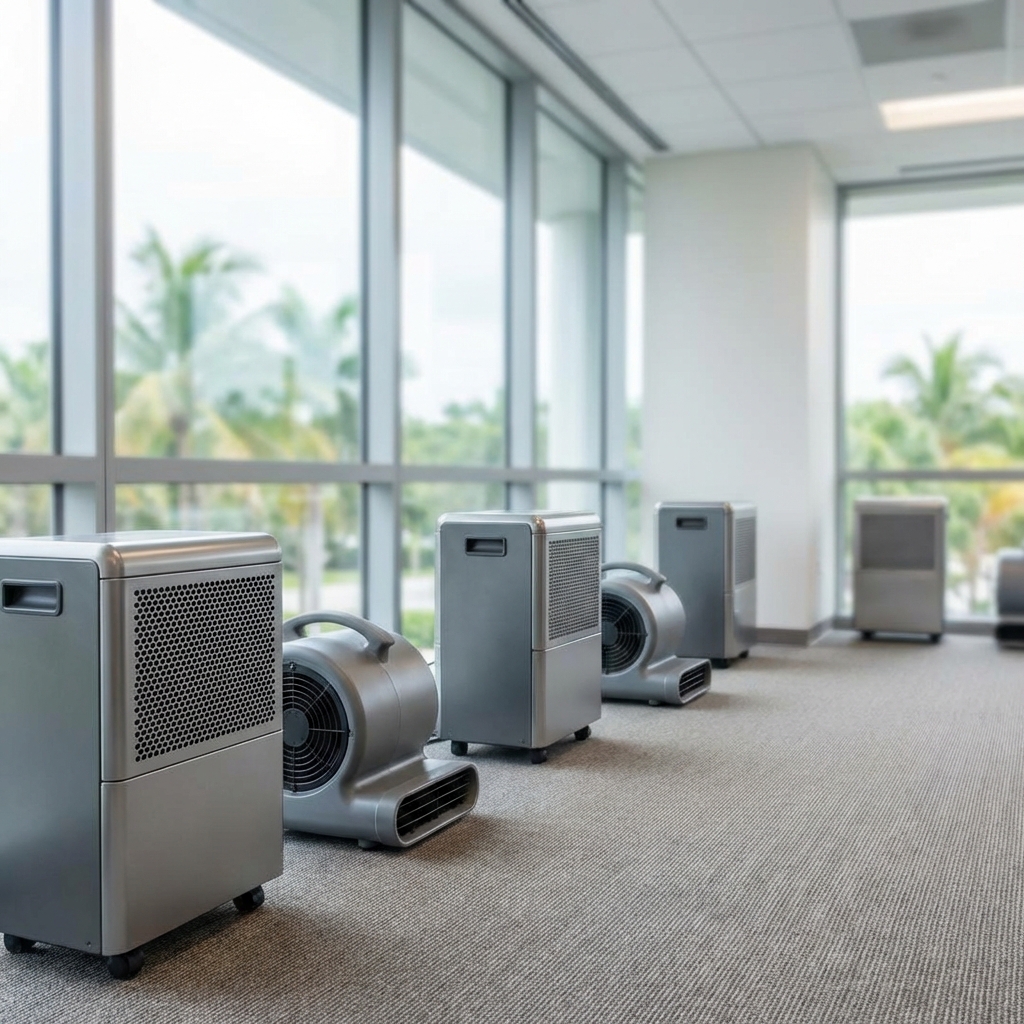
We deploy industrial-grade dehumidifiers that operate in two primary categories: refrigerant dehumidifiers and desiccant dehumidifiers. Refrigerant models work well in warm conditions (above 60 degrees) and are energy efficient. Desiccant models use absorbent materials and remain effective even in cool, humid conditions—critical for our climate where overnight temperatures don’t always drop significantly.
For a typical 2,000-square-foot residential property with moderate water damage, we position multiple units strategically throughout affected areas. A single industrial dehumidifier can remove 150-200 pints of water daily when properly deployed. We’ll use 4-6 units across a damaged home to maintain consistent humidity reduction and prevent moisture migration to unaffected areas.
The key to our dehumidification strategy is understanding capacity versus demand. High humidity in Palm Beach means these units run continuously and often reach their collection capacity before completing their work. We monitor collection rates and adjust equipment placement or quantity based on actual performance data, not assumptions.
We also employ whole-structure dehumidification when necessary. Portable HVAC systems or upgraded ducting can serve as central dehumidifying hubs, pulling air from multiple rooms and exhausting moisture outside rather than simply concentrating it in collection tanks. This approach prevents the common mistake of creating secondary wet zones in areas where dehumidifier discharge moisture ends up.
Our equipment fleet is maintained and regularly serviced. Equipment failures mid-restoration are not acceptable, so we keep backup units staged and ready. When you hire us, you’re not just renting equipment—you’re gaining our expertise in deploying it effectively.
Strategic Air Movement and Circulation Methods
Air movement without dehumidification is ineffective and can actually worsen drying. Moving warm, humid air around simply redistributes moisture without removing it. Our strategy combines air movement with dehumidification in specific sequences.
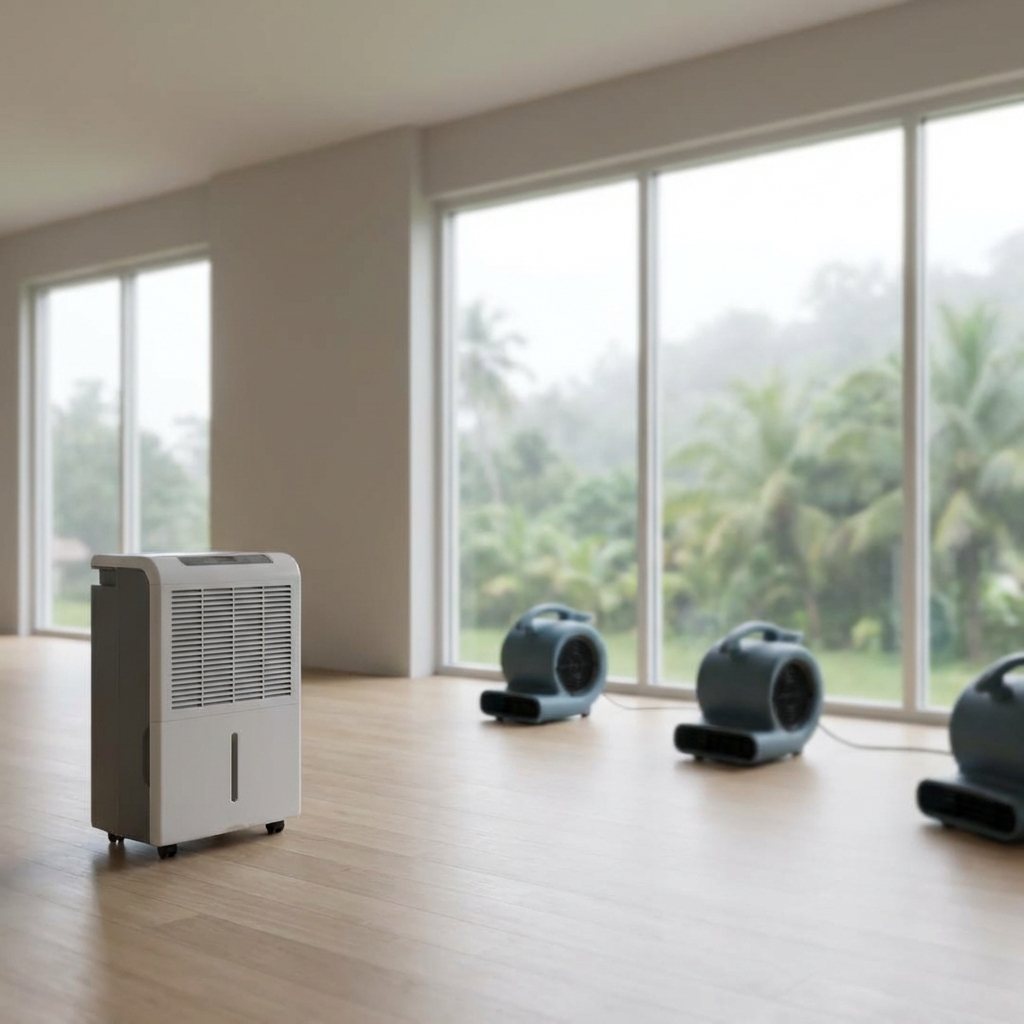
Initially, after water removal is complete and structural materials have been assessed, we position high-volume air movers (typically 3-4 feet per second airflow) to direct air across wet surfaces and promote evaporation. These devices look similar to large box fans but are designed for restoration work with adjustable speeds and directional control. The goal is to create air currents that move moisture-laden air toward dehumidification equipment.
Strategic placement matters significantly. We avoid directing air toward walls in ways that might push moisture deeper into cavities. Instead, we position movers to channel air across floor surfaces, along wall bases, and toward open areas where dehumidifiers can capture the moisture-rich air. Cross-ventilation techniques create air patterns that maximize exposure to dehumidification zones.
We modify our air movement strategy based on time of day and weather. Morning hours when outdoor humidity temporarily dips offer opportunities for beneficial fresh air exchange, provided we’re careful not to introduce unsaturated air in ways that create pressure imbalances. Afternoon thunderstorms and evening humidity spikes require us to seal and recirculate internally to prevent moisture reintroduction.
In commercial properties with larger open spaces, we sometimes employ negative pressure systems. These create slightly lower air pressure inside the wet area, drawing all circulating air through dehumidification equipment before it can escape. This approach ensures no moisture-laden air migrates to unaffected zones.
The coordination between air movement and dehumidification is where restoration becomes both science and experience. We adjust continuously based on moisture readings, equipment performance, and environmental conditions.
Monitoring Moisture Levels Throughout the Process
Guessing when drying is complete causes most secondary damage problems we encounter. Professional drying requires continuous monitoring with documented measurements that prove structures have actually reached safe moisture equilibrium.
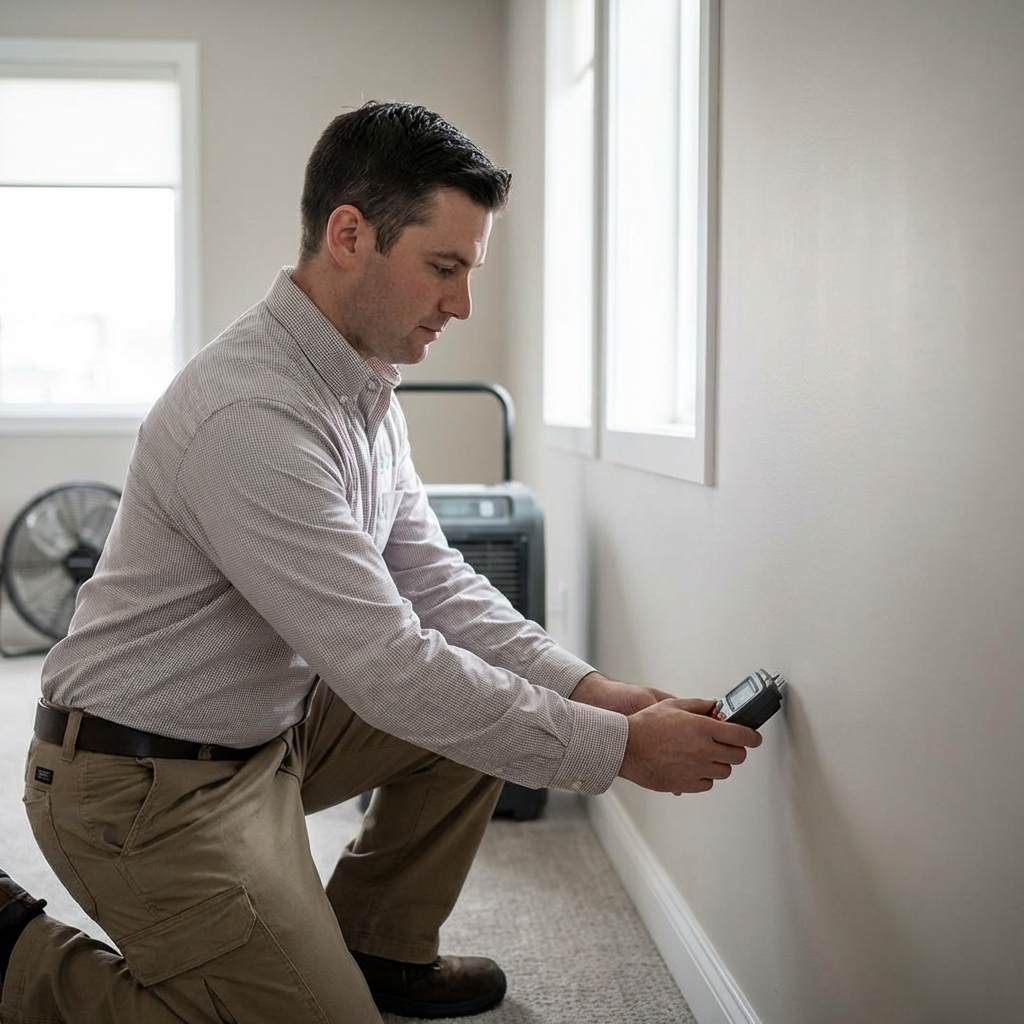
We use handheld moisture meters to test materials multiple times daily. These devices measure moisture content as a percentage of the material’s dry weight. We establish testing grids—marked locations where we take consistent readings throughout the drying process. For a typical residential property, we might establish 15-20 testing points across affected areas. Daily readings create graphs showing moisture reduction rates and allowing us to project completion dates with accuracy.
We also use thermal imaging cameras to identify moisture patterns that moisture meters alone might miss. Wet materials often read at different temperatures than dry ones, and thermal images reveal hidden moisture pockets in wall cavities or above ceiling lines that visual inspection would overlook.
Relative humidity monitoring in affected spaces gives us a secondary confirmation. We track both ambient humidity and moisture content in materials. When ambient humidity can’t drop below 60 percent because outdoor conditions won’t allow it, we know our dehumidifiers are working at their limit and might need supplementation or process modification.
Our documentation is detailed and defensible for insurance purposes. Every reading gets timestamped and logged. Photos document equipment placement and material conditions. This documentation becomes critical if disputes arise about drying completion or if insurance adjusters question whether drying was adequate.
We establish clear endpoints for drying. Most materials should reach 12-16 percent moisture content for normal environments. We don’t simply stop when materials are “mostly dry”—we continue until measurements confirm safe equilibrium. This typically adds 1-2 additional days to drying timelines compared to rushed processes, but it eliminates callbacks and secondary problems.
Insurance Navigation and Documentation Support
Water damage restoration and insurance claims are intertwined. We handle the restoration work, but we also support our customers through the claims process because proper documentation during drying determines what insurance will and won’t cover.
From day one, we photograph and document all damage. We document the water source, initial moisture readings, affected materials, equipment placement, and progress. This documentation creates a record that shows we followed industry standards and took appropriate mitigation steps. Insurance adjusters expect this level of detail.
We coordinate with insurance companies and provide detailed scope-of-work documents that explain our restoration plan, equipment deployment, and projected timelines. We explain why structural drying time in Palm Beach differs from national averages—adjusters reviewing claims sometimes expect unrealistic timelines based on restoration work completed in drier climates.
We’re transparent about what’s covered under standard homeowners or commercial policies. Water damage from sudden, accidental events like burst pipes is typically covered. Flood damage requires separate flood insurance. Damage from lack of maintenance is usually not covered. We help customers understand these distinctions and advocate for appropriate coverage when coverage is legitimate.
Our technicians understand claim language and can identify covered versus non-covered loss clearly. We won’t misrepresent scope to inflate claims, but we ensure legitimate loss gets properly documented and claimed. We’ve seen countless situations where properties received inadequate insurance payouts simply because restoration wasn’t properly documented during the mitigation phase.
We also help customers understand the difference between emergency mitigation (which most policies cover quickly) and final restoration. The drying process is mitigation work. The subsequent repairs and rebuilding are restoration. Proper documentation during our drying phase makes the insurance transition to contractors for final repairs much smoother.
Comparison of DIY Versus Professional Drying Approaches
Homeowners facing water damage sometimes attempt drying themselves to save money, particularly when the affected area seems small. We understand this instinct, but the financial and health consequences of incomplete drying typically far exceed professional restoration costs.
DIY drying approaches fail for several reasons specific to our region:
Limited Equipment Capacity: Household fans and standard dehumidifiers remove moisture slowly. A typical room dehumidifier might extract 50 pints daily. Our industrial dehumidifiers remove 150-200 pints daily, and we deploy multiple units. DIY drying stretches across weeks rather than days, during which mold colonization accelerates.
Humidity Misunderstanding: Most DIYers open windows thinking fresh air will help. In Palm Beach, outdoor air is as saturated as indoor air. This approach doesn’t reduce interior humidity meaningfully and can introduce additional moisture.
Inadequate Moisture Monitoring: Without proper moisture meters, DIYers dry visibly wet areas but leave structural moisture hidden in cavities and behind materials. This hidden moisture causes problems weeks or months later when mold becomes visible or wood begins to deteriorate.
Secondary Migration: Partial drying can actually move moisture deeper into structures. Without coordinated air movement and dehumidification, moisture migrates from wet peripheral areas toward drier central zones, creating new problem areas.
Timeline Miscalculation: DIY drying typically extends 2-4 weeks or longer in our climate. Professional drying completes in 3-10 days. The extended timeline means mold remediation becomes necessary (adding cost and complexity) and structural damage accumulates.
Liability Gaps: If DIY drying fails and mold subsequently appears, insurance often denies claims because the property owner failed to employ professional mitigation. The homeowner is left covering both professional remediation and the original damage.
The cost difference between DIY attempts and professional service is often minimal, but the risk differential is substantial. A professional structural drying job for a typical residential water damage costs $1,500-$3,500. DIY attempts that fail and lead to mold remediation cost $5,000-$15,000 or more. The financial argument favors professional service before it’s needed.
Why SuperClean Restoration Delivers Superior Results
We’ve built our reputation on understanding the specific challenges of structural drying in Palm Beach County. Our approach combines regional expertise with advanced technology and meticulous documentation.
We maintain our own equipment fleet rather than renting from suppliers. This means we have exactly what we need available immediately, and we maintain equipment to our standards rather than relying on rental company maintenance schedules. When we respond 24/7 to emergencies, our equipment is ready.
Our team receives continuous training specific to humidity management and structural drying in subtropical climates. We participate in professional certifications through restoration industry organizations, and we stay current with equipment innovations. Our lead technicians average 8+ years of restoration experience specifically in Palm Beach County, meaning they understand local building construction, climate patterns, and common failure points.
We employ the Water & Mold Experts methodology that integrates drying, mold assessment, and disinfection. Rather than treating these as separate services, we manage them as coordinated processes. This integrated approach prevents gaps where partial drying leads to mold that then requires separate remediation.
Our monitoring and documentation standards exceed industry minimums. While some restoration companies complete a job when materials appear dry, we document actual moisture readings proving safe equilibrium. This rigor has made us the preferred vendor for many insurance companies and property managers because they trust our documentation.
We also manage the complete restoration journey from emergency response through drying to final repairs. We’re not a drying-only service that hands off partially dried properties to other contractors. We see the project through, ensuring consistency in approach and accountability for outcomes.
Timeline Expectations for Your Specific Situation
Structural drying time in Palm Beach varies based on specific conditions, but we can offer general frameworks based on typical scenarios.
Small, localized water damage (one bathroom, single room): 3-5 days with professional equipment. A burst bathroom supply line affecting one room with minimal saturation into walls responds quickly to our standard dehumidification approach.
Moderate residential water damage (multiple rooms, significant saturation): 7-10 days. Kitchen flooding affecting cabinets, subfloors, and adjacent areas requires longer drying as moisture has penetrated further into structural cavities.
Significant residential or small commercial damage (extensive saturation, multiple floor levels): 14-21 days. Storm surge, roof collapses, or extended flooding before discovery creates deeper moisture penetration and requires sustained equipment deployment.
Major commercial water damage (large floor areas, complex structures): 3-6 weeks. Commercial properties with suspended ceilings, multiple HVAC systems, and extensive cavities often require extended drying and sometimes temporary dehumidification systems.
These timelines assume professional equipment deployment beginning within 24-48 hours of damage discovery. Delays in starting drying compress our ability to prevent secondary damage. Weather also impacts timelines—extended rainy periods delay drying, while dry spells accelerate it.
We provide specific timeline projections after our initial assessment documents actual moisture levels and affected materials. These projections become more refined as we begin drying and monitor actual equipment performance versus ambient conditions.
Preventing Secondary Damage During the Drying Phase
Secondary damage during drying phase is often preventable but sometimes unavoidable. Our approach minimizes preventable damage while managing unavoidable deterioration transparently.
Mold Prevention: Continuous dehumidification prevents conditions where mold colonizes. We maintain humidity below 50 percent in affected areas to inhibit mold growth. On days when ambient humidity spikes or equipment reaches capacity, we deploy additional dehumidification to maintain this threshold.
Structural Deterioration: Wood begins to deteriorate within 48-72 hours of saturation if not actively dried. This means aggressive early intervention prevents permanent wood damage. Our rapid response and immediate equipment deployment typically preserves structural integrity even in significant water events.
Insulation Performance Loss: Wet insulation loses its thermal properties and won’t regain them even after drying. However, drying prevents the insulation from becoming a moisture reservoir that damages surrounding materials. We sometimes recommend insulation removal when saturation is extensive, rather than attempting to dry soaked insulation that becomes a liability even if physically dried.
Drywall Deterioration: Drywall softens and loses structural integrity when saturated. Small amounts of water damage to drywall (first 12-18 inches from the floor) often requires removal and replacement. Our assessment identifies drywall requiring replacement versus drywall that can be dried and preserved, making the restoration timeline and cost more predictable.
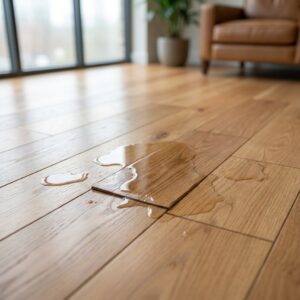
Flooring Damage: Water under flooring creates vacuum environments that prevent drying. Hardwood or laminate flooring often requires removal to allow subfloor drying. We manage this process so subfloors dry properly and flooring replacement becomes feasible. Attempting to dry flooring without removal typically results in buckling and permanent damage.
Our transparent communication about unavoidable damage builds trust. We explain what can be salvaged through professional drying and what requires replacement, giving property owners realistic expectations and insurance documentation supporting replacement decisions.
Next Steps to Begin Your Restoration Journey
When water damage strikes your Palm Beach property, immediate action determines whether drying succeeds or secondary problems compound. Here’s exactly what to do.
Call us immediately: We answer 24/7 at our emergency line. The first 24-48 hours are critical for preventing mold colonization and structural deterioration. We dispatch our team for initial assessment and damage documentation that begins your insurance claim process properly.
Stop using affected areas: Occupied spaces complicate drying and distribute moisture through HVAC systems. We’ll advise you on safe areas and water-safe routes through your property.
Don’t attempt DIY drying: Begin professional mitigation immediately rather than experimenting with fans and household dehumidifiers. This prevents the timeline extension and incomplete drying that lead to secondary damage.
Secure loose items and valuables: Our team works with wet materials and dehumidification equipment that requires controlled environments. We’ll advise what can stay and what should be secured or removed temporarily.
Gather documentation: Photos of damage and information about the water source helps us scope work and supports insurance claims. We handle most documentation, but your observations about when and how damage occurred are valuable.
Expect our assessment and plan: Within our first few hours on site, we’ll provide a preliminary scope, equipment deployment plan, and realistic timeline. This becomes your roadmap and insurance documentation.
SuperClean Restoration brings regional expertise, professional equipment, and meticulous monitoring to structural drying work that most property owners attempt inadequately. We prevent the secondary damage that transforms an expensive water loss into a catastrophic financial and health problem. Our approach combines advanced dehumidification technology with continuous moisture monitoring and coordinated air movement—specifically calibrated for Palm Beach’s humidity challenges.
When water damage occurs, professional structural drying isn’t a luxury or optional service. It’s the foundation that prevents mold, protects structural integrity, and creates a property that’s safe to occupy and insurable. We’re here 24/7 to begin that process immediately.