Why Sewage Emergencies Demand Immediate Professional Response
Sewage backup or overflow isn’t something you can handle with household cleaning supplies and elbow grease. When raw sewage enters your home or commercial space, every second counts. We understand that property owners often underestimate how quickly contamination spreads through building materials, flooring, and subflooring.
The moment sewage contacts your property, it begins seeping into porous surfaces that act like sponges. Drywall absorbs water in minutes. Subflooring and insulation become saturated and begin supporting mold growth within 24 to 48 hours. If you wait, your restoration costs multiply exponentially. What started as a $5,000 cleanup can easily become a $25,000+ structural repair project.
We’ve handled countless Palm Beach emergencies where property owners delayed calling for help. The pattern is always the same: initial panic, attempt at DIY cleanup, realization that the problem is far worse than expected, then urgent call for professional intervention. By that point, hidden damage has already begun.
Professional remediation isn’t optional here. Biohazard material requires specialized training, protective equipment, and disposal protocols that homeowners cannot meet safely. We respond within hours because we know that speed directly correlates to recovery costs and long-term property damage prevention.
What to do next: If you suspect sewage contamination on your property right now, don’t touch affected areas. Call us immediately at our emergency line. We’ll dispatch a team to assess the situation and begin containment procedures while you focus on your family’s safety.
Critical Health Risks of Untreated Sewage Contamination
Raw sewage carries pathogens that pose serious health threats. Bacteria like E. coli, Salmonella, and Hepatitis A virus live in untreated waste. Viruses, parasites, and fungal spores also thrive in sewage-contaminated environments. These aren’t theoretical risks; they’re active biological hazards capable of causing severe illness.
Children and elderly family members face elevated risk. Skin contact, inhalation of aerosol particles, and accidental ingestion create multiple exposure pathways. We’ve documented cases where property occupants developed gastrointestinal infections and respiratory complications weeks after initial exposure, often not realizing the connection to their sewage incident.
Mold colonization compounds these dangers. Within 72 hours of sewage saturation, mold begins growing on structural materials. Mycotoxins produced by certain mold species (like Stachybotrys) trigger allergic reactions, asthma exacerbation, and respiratory distress. When combined with bacterial endotoxins present in raw sewage, the indoor environment becomes genuinely hazardous.
Structural damage creates secondary health concerns. Compromised flooring and subflooring become unstable and breeding grounds for pathogenic organisms. Crawlspaces and attics become contaminated, allowing pathogens to spread via HVAC systems throughout the entire building.
Professional remediation eliminates these threats through comprehensive decontamination, not surface cleaning. We remove contaminated materials, disinfect all affected surfaces, and restore air quality to safe levels. This level of intervention requires specialized equipment, training, and protective protocols that DIY approaches cannot provide.
Your action step: If anyone in your household has experienced unexplained illness following a sewage incident, contact us for a comprehensive environmental assessment. We can identify hidden contamination that may be causing ongoing health problems.
What Sets Our Sewage Cleanup Process Apart
Our approach differs fundamentally from standard water damage restoration. Sewage cleanup requires biohazard protocols, which we’ve developed through years of working with Palm Beach County health departments and insurance adjusters.
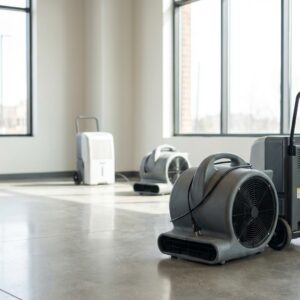
We begin with thorough containment. Our teams establish negative pressure zones using industrial equipment to prevent airborne pathogen spread to uncontaminated areas. We seal off affected spaces with temporary barriers and run HEPA-filtered air scrubbers continuously throughout remediation.
Material removal comes next. We don’t salvage materials that have contacted raw sewage. Drywall, insulation, flooring, and subflooring that’s been saturated must be removed and disposed of according to hazardous waste protocols. We’ve found that property owners often want to save materials for cost reasons, but this approach almost always leads to recurring mold and odor issues.
Structural sanitization is comprehensive. After material removal, we apply hospital-grade disinfectants using foggers and electrostatic sprayers that reach every surface. We then follow with antimicrobial treatments that prevent regrowth for extended periods.
Dehumidification and drying follow a controlled timeline. We monitor moisture levels continuously using moisture meters and thermal imaging. This data-driven approach ensures that structural components dry completely before rebuilding begins, preventing mold from establishing beneath new materials.
Reconstruction uses moisture-resistant materials. When we rebuild affected areas, we specify products designed to resist future moisture absorption. This might include mold-resistant drywall, cement board in bathrooms, or specially treated subflooring.

Throughout this entire process, we document everything with photos, videos, and detailed reports. These become critical when working with your insurance adjuster. We handle the technical documentation that insurers require, removing that burden from you.
What you should do: When calling for help, be ready to describe the sewage source (backup, overflow, toilet malfunction) and how long you estimate the contamination has been present. This information helps us mobilize the right equipment and team size.
Our 24/7 Emergency Response Protocol
We maintain round-the-clock availability because sewage emergencies don’t follow business hours. Our dispatch center operates continuously, and we keep emergency response teams ready for immediate deployment across Palm Beach County.
When you call, our initial conversation follows a structured assessment. We ask specific questions about contamination extent, affected areas, occupant safety, and whether anyone has been exposed. This 5-minute conversation allows us to determine what equipment we need and how many technicians to dispatch.
Our response time commitment is clear: we arrive within 2 hours for emergency calls across our service area. For properties in Wellington, Boca Raton, and central Palm Beach, we typically arrive within 45 minutes. This speed prevents further spread and begins the recovery process before contamination has saturated deep structural materials.
Upon arrival, we perform a rapid assessment that identifies affected areas you might not recognize. Sewage can travel through wall cavities, beneath floorboards, and into insulation spaces that aren’t visibly obvious. Our thermal imaging and moisture detection equipment reveals hidden contamination that standard visual inspection would miss.
We establish containment immediately. Portable barriers, negative pressure units, and HEPA filtration begin operating before any removal work starts. This protects uncontaminated areas and prevents occupant exposure.
We coordinate directly with you and your insurance company. If you have active homeowner’s or commercial property insurance, we document everything with photos and measurements that your adjuster needs. Many policies cover sewage backup cleanup, and we help you navigate that process.
Action item: Program our emergency number into your phone today. If a sewage emergency occurs at 2 a.m. on a Sunday, you’ll want immediate access to professional response without having to search online.
Advanced Disinfection and Structural Restoration Techniques
Standard cleaning products cannot eliminate pathogens present in sewage-contaminated spaces. We employ hospital-grade disinfectants and application methods that achieve true biohazard elimination.
Our disinfection process uses EPA-registered antimicrobial products applied at specific concentrations and dwell times. We don’t spray surfaces once and consider the job done. We apply disinfectants, allow proper contact time for pathogen death, then wipe and verify effectiveness using ATP testing (a scientific method that confirms pathogen elimination).
Electrostatic spraying technology ensures complete surface coverage. Our equipment disperses disinfectant particles that cling to every surface, including the backs of fixtures, upper surfaces of beams, and hard-to-reach crevices. This technology eliminates application gaps that traditional spraying leaves behind.
Odor elimination requires specialized approach. Sewage odor doesn’t come from the water itself; it comes from volatile organic compounds released by anaerobic bacteria. Standard deodorizers mask smell temporarily. We use enzymatic treatments and thermal fogging that destroy odor-causing compounds at their source. Combined with proper ventilation and moisture control, this approach provides permanent odor elimination.
Structural restoration uses moisture-resistant materials and preventive strategies. We install underlayment with antimicrobial properties before new flooring. We use mold-resistant drywall and include vapor barriers in specifications. We run extended dehumidification periods to ensure moisture content drops to safe levels before any new materials are installed.
We also restore HVAC systems when contamination has reached them. Air ducts must be professionally cleaned and sealed. HVAC filters are replaced with high-efficiency units. In some cases, UV sterilization systems are installed to prevent regrowth.
Final verification includes mold testing. After remediation and reconstruction completion, we conduct air and surface sampling to confirm that mold hasn’t returned. Results are documented and provided to you and your insurance company.
Next step: Ask us for a detailed restoration scope when we provide your initial assessment. Understanding the full scope helps you manage expectations and insurance discussions.
Insurance Navigation and Documentation Support

Insurance claims for sewage damage can be complex. Policy language varies, coverage questions arise, and adjusters need specific information to approve claims. We handle this documentation burden so you can focus on recovery.
We document the incident photographically from initial assessment through final completion. Our photos show pre-remediation contamination, material removal, disinfection processes, and reconstruction phases. These visual records help insurers understand the scope of work and justify the costs involved.
Our detailed reports include measurements, material specifications, labor hours, and equipment usage. Insurers understand these metrics and use them to verify that our quotes are reasonable and that work was performed at industry-standard levels.
We attend adjuster inspections when possible. Our technical knowledge helps explain why certain materials must be removed, why specific disinfection protocols are necessary, and why reconstruction costs what it does. Adjusters often approve work more readily when they understand the technical requirements.
We bill insurers directly for most claims. You’re not responsible for paying us upfront and then seeking reimbursement. We coordinate with your insurance company, verify coverage, and handle billing according to claim terms.
For claims disputes, we provide expert documentation that supports your position. If an adjuster questions whether work was necessary, our report explains the technical reasons. If coverage questions arise, our documentation helps your insurance agent advocate for you.
Our experience across hundreds of Palm Beach County claims means we understand local insurance practices. We know which adjusters request specific information, which documentation helps move claims forward, and when professional mediation becomes necessary.
What to do immediately: Gather your insurance policy and policy number. When you call us, share this information so we can begin the insurance coordination process right away.
Comparison of Sewage Cleanup Approaches
You have options when facing sewage contamination. Understanding the differences helps you make an informed decision about who handles your recovery.
General contractors and water damage companies sometimes accept sewage jobs even without specialized training or equipment. Their approach typically involves standard water extraction and drying. The problem: raw sewage requires biohazard protocols that general contractors aren’t equipped to provide. Pathogenic elimination, proper material disposal, and health code compliance require specific expertise.
DIY cleanup is never appropriate for sewage contamination. The health risks are too severe, the equipment required is too specialized, and the regulatory requirements are too complex. Property owners who attempt DIY cleanup expose themselves and their families to serious illness, often damage their property further, and typically spend more money in the long run when professional remediation becomes necessary.
Professional biohazard companies exist, and some operate in our region. These firms specialize in extreme contamination including crime scenes, infectious disease cleanup, and hoarding situations. They can handle sewage work, but their pricing reflects their focus on these high-severity scenarios. They’re appropriate when contamination is extensive, but often represent overkill for standard sewage backups.
Our approach combines sewage-specific expertise with property restoration knowledge. We bring biohazard-level decontamination protocols because that’s what sewage requires. Simultaneously, we understand structural drying, mold prevention, and reconstruction because we handle water damage continuously. This combination means you’re not paying premium biohazard pricing for work you don’t need, but you’re receiving fully adequate protocols for what you do need.
Our local presence and insurance relationships matter too. We attend county health department trainings, maintain relationships with adjusters, and understand Palm Beach-specific building codes. This local expertise gets your claim processed faster and your property recovered more efficiently.
Consider this: When comparing quotes, ask each company specifically about their biohazard protocols, ATP testing verification, and experience with insurance documentation. These questions reveal whether they truly understand sewage remediation.
How We Protect Your Property and Health
Protection operates on two parallel tracks: immediate containment and long-term prevention.
Immediate containment prevents spread during remediation. Our technicians work in full personal protective equipment including respirators, gloves, and protective suits. This protects our team and prevents them from spreading contamination to unaffected areas. Contained work zones with negative pressure and HEPA filtration prevent airborne pathogen movement throughout your building.
Material selection during restoration prevents future problems. We install moisture-resistant flooring with antimicrobial properties. We specify mold-resistant drywall rather than standard products. We include vapor barriers that prevent moisture migration. These material choices add minimal cost but substantially increase your property’s resistance to future moisture and mold issues.
Moisture control is prevention’s foundation. We measure and monitor moisture content throughout the drying process using calibrated moisture meters and thermal imaging. We maintain dehumidifiers and air scrubbers until moisture levels normalize. This attention to detail prevents mold colonization that would otherwise occur hidden beneath new materials.
Air quality restoration includes HEPA filtration during remediation and enhanced ventilation during the weeks following. HVAC systems are thoroughly cleaned, and new filtration is installed. Air quality testing occurs before we consider the project complete.
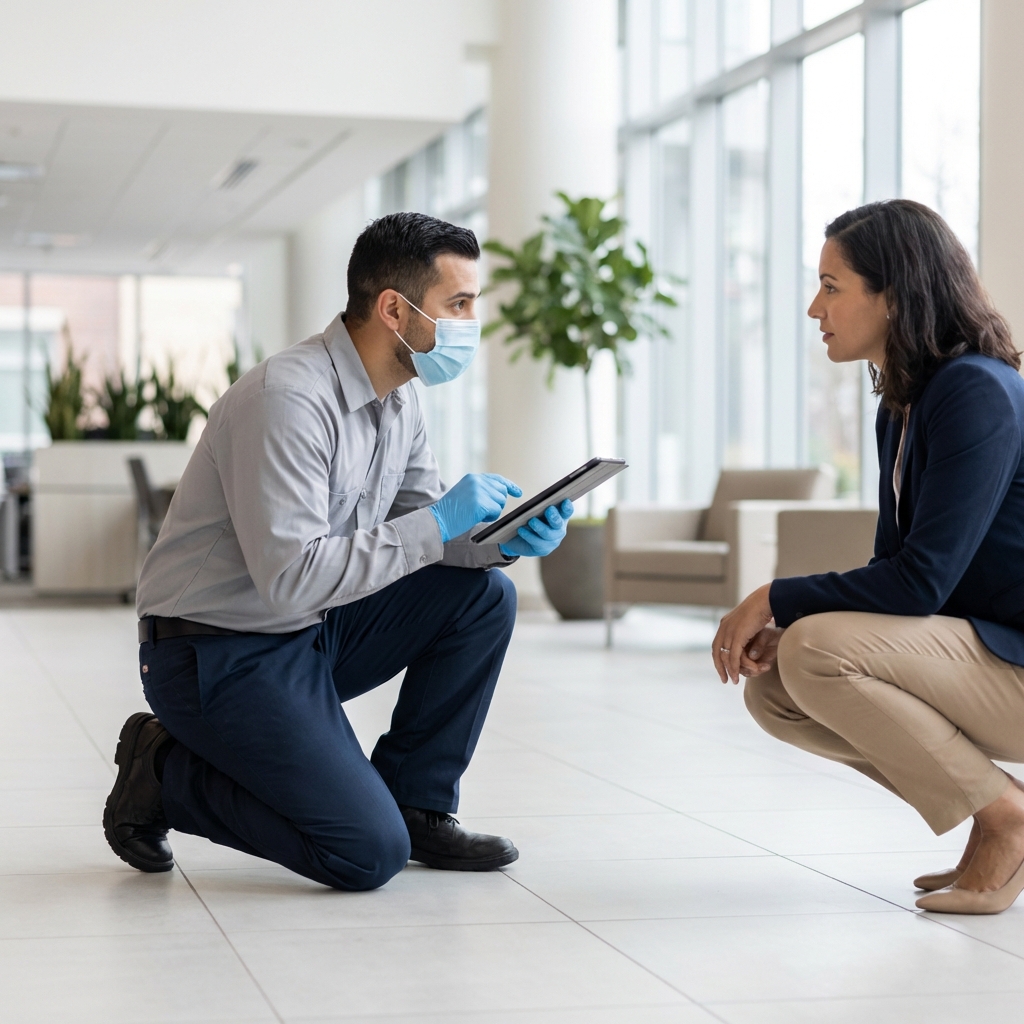
Occupant health guidance helps you protect your family post-remediation. We provide written guidance about monitoring for symptoms and when to seek medical evaluation if health concerns emerge. We explain what normal recovery looks like and what symptoms would warrant professional medical evaluation.
Our final walkthrough ensures you understand the work completed and can identify any areas that need attention going forward. We explain what to watch for, how to maintain moisture control in the affected area, and when to call if problems recur.
Action step: After remediation completion, schedule a follow-up inspection 30 days later. Early detection of any moisture recurrence allows us to address it before mold growth begins.
Customer Success Stories in Palm Beach
A Wellington property owner contacted us after a septic system failure created sewage backup into their guest house. The property had been closed for two weeks before they discovered the problem. Mold colonization was already visible on walls and subflooring when we arrived. Using our containment protocols, we removed affected materials, applied comprehensive disinfection, and reconstructed using moisture-resistant materials. The property was occupied again within three weeks. Their insurance claim was processed smoothly because our documentation made the scope and necessity of work crystal clear to their adjuster.
A Boca Raton commercial property experienced a main sewer line rupture that allowed sewage to enter crawlspace and lower-level office space. The property manager was concerned about employee exposure and liability. We provided emergency response within 45 minutes, established containment, and completed remediation before business reopened. Our documentation supported their insurance claim and workers’ compensation questions, protecting them legally. Employees returned to a sanitized, safe environment with verified air quality.
A central Palm Beach residence experienced toilet malfunction leading to sewage overflow in the master bathroom and adjacent bedroom. The homeowners initially attempted cleanup themselves before realizing the extent of contamination. We completed rapid assessment, explained that hidden contamination extended through wall cavities, and provided comprehensive remediation. The homeowners’ original estimate was $3,000 for DIY cleanup. Our professional approach was $8,500 but prevented the $20,000+ in mold remediation and structural repair that would have followed incomplete cleanup.
Each of these situations involved different contamination scenarios, but all benefited from our specialized protocols and insurance expertise. The common thread: professional intervention provided faster recovery, lower ultimate cost, and complete elimination of health risks.
Getting Started with Our Sewage Cleanup Team
When sewage contamination threatens your property, speed and expertise determine your outcome. We provide both.
Our emergency line connects you directly to our dispatch team. Describe what you’re seeing or suspecting, share your address, and we’ll mobilize response. We’ll ask clarifying questions that help us understand severity and deploy appropriate resources.
We arrive with full assessment capabilities. Our thermal imaging, moisture detection, and biohazard assessment equipment reveal the true scope of contamination. We explain findings in plain language and provide you with clear recommendations about what must happen next.
Our initial quote includes labor, materials, equipment rental, hazardous waste disposal, and insurance documentation. There are no hidden fees or surprise costs after work begins. If scope changes during remediation (which sometimes happens when we discover hidden contamination), we communicate those changes before proceeding, and we work with your insurance adjuster on authorization.
We provide temporary containment solutions if you need to remain in the property during remediation. We establish sealed work areas that allow you to occupy unaffected portions safely while we complete contamination removal.
Post-project support includes warranty on our disinfection work. If mold reappears in areas we’ve treated within one year, we return at no cost and address the issue. This warranty demonstrates our confidence in our protocols and provides you peace of mind.
We remain available for follow-up questions as your recovery proceeds. If concerns emerge weeks or months later, we’re a phone call away to assess and address them.
Sewage emergencies demand specialized response that general contractors cannot provide. We combine biohazard elimination protocols with structural restoration expertise and insurance navigation support. This combination makes us the definitive choice for sewage damage recovery in Palm Beach County. When contamination threatens your property and family’s health, you need professionals who understand both the technical requirements and the personal impact of recovery. That’s exactly what we provide, 24/7, across our entire service area.
Contact us now: Call our emergency line immediately if you suspect or discover sewage contamination. We’ll dispatch assessment and containment within hours, stopping the damage progression and beginning your recovery process right away.
For further reading: biohazard cleanup services.